6 Productivity Lessons from Leonardo da Vinci
“A well-spent day brings happy sleep.”
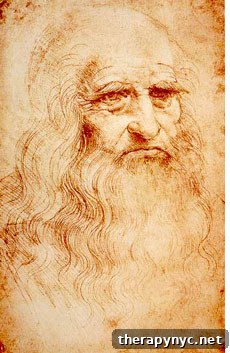
If you want practical productivity tips, look to Leonardo da Vinci. He produced some of the most celebrated paintings in history—the Mona Lisa and The Last Supper—while filling journals with inventions, anatomical studies, and observations about nature. He was a painter, inventor, anatomist, sculptor, botanist and musician. Above all, he got things done.
Below are six evergreen principles, inspired by da Vinci’s approach, that will help you be more productive, focused and consistent in reaching your goals.
1. Do.
“I have been impressed with the urgency of doing. Knowing is not enough; we must apply. Being willing is not enough; we must do.”
“It had long since come to my attention that people of accomplishment rarely sat back and let things happen to them. They went out and happened to things.”
Action is the core of productivity. Thinking and planning matter, but they don’t replace execution. If you want results, you must act consistently and deliberately. Overthinking and procrastination are common traps—in part because we see others doing the same and assume it’s normal. Fear of failure or of what others might think also keeps many people stuck.
Start by measuring how much you actually do versus how much you plan or worry. When you notice you’re stuck in unproductive thought patterns, deliberately shift to action. Two straightforward ways to trigger action:
- Pump up your enthusiasm. Look for something positive in the situation and let that build momentum. Surround yourself with enthusiastic people, listen to motivating talks, or reflect on past wins. Enthusiasm is contagious and energizes follow-through.
- Just do it anyway. When motivation is low, push yourself to begin. Often starting is the hardest part—once you’re engaged, energy and satisfaction follow.
2. Do. Experience. Understand.
“Experience does not ever err. It is only your judgment that errs in promising itself results which are not caused by your experiments.”
“Although nature commences with reason and ends in experience it is necessary for us to do the opposite, that is to commence with experience and from this to proceed to investigate the reason.”
Learning by doing reduces the emotional weight of mistakes. When you take frequent action, failures become data rather than catastrophes. Instead of dwelling on errors, extract lessons and iterate. Real understanding grows from experience; testing ideas in the real world reveals what works and why.
3. Be consistent.
“Iron rusts from disuse; stagnant water loses its purity and in cold weather becomes frozen; even so does inaction sap the vigor of the mind.”
Initial enthusiasm fades unless you sustain it with consistent effort. Fluctuating between bursts of activity and long breaks prevents deep progress. Persistence and routine are the unspectacular but powerful drivers of long-term results. To become more consistent:
- Be aware. Track your habits and notice when you slip into instant gratification or distraction. Awareness lets you correct course.
- Set the context for your day. What you do first often shapes the rest of the day. Tackle the most important or hardest task early, or exercise in the morning to build energy and focus for the day ahead.
4. Move over, through or around obstacles.
“Obstacles cannot crush me. Every obstacle yields to stern resolve. He who is fixed to a star does not change his mind.”
Obstacles are part of progress. Many are exaggerated by our own fears; others are genuine challenges that require creative solutions. Re-examine assumptions, test the reality of the barrier, and explore alternatives—go around it, go through it, or change your approach. Persistence, problem-solving and experience will reveal which option works best.
Think of obstacles as opportunities to learn and strengthen your resolve rather than as immutable barriers.
5. Know what’s important (for you).
“Time stays long enough for anyone who will use it.”
We all have the same hours each day. The difference is how we choose to spend them. Clarifying what matters most to you provides focus and sustainable motivation. This is not about following external expectations—it’s about discovering what you truly value and prioritizing actions that align with that.
Find out what matters by experimenting and reflecting. Through doing, you learn which activities produce meaningful results and which drain your energy. Over time, these experiences refine your sense of purpose and make it easier to maintain momentum.
6. Focus.
“As every divided kingdom falls, so every mind divided between many studies confounds and saps itself.”
Concentration amplifies productivity. Focus on your highest priorities and eliminate distractions that scatter attention. Also cultivate a focused mindset—maintain curiosity, positivity and determination rather than dwelling on doubt or self-criticism.
Three practical ways to improve focus:
- Exercise. Regular physical activity strengthens energy, mood and concentration. Find movement you enjoy and make it a habit.
- Singletask. Do one task at a time. Deep, uninterrupted work is faster and less stressful than multitasking.
- Create a cone of silence. Minimize distractions by silencing devices, closing unnecessary tabs, and setting clear boundaries for focused work periods.
Leonardo da Vinci’s productivity wasn’t magic—it was the result of deliberate action, experience-driven learning, consistent habits, resilient problem-solving, clear priorities and focused attention. Apply these principles and you’ll find your days more productive and your progress steadier.
If you found these productivity tips useful, consider sharing them with someone who might benefit. Thank you!