7 George Costanza Quotes from Seinfeld That Teach Life Lessons
“My father was a quitter, my grandfather was a quitter, I was raised to give up. It’s one of the few things I do well.”
“I’m disturbed, I’m depressed, I’m inadequate, I’ve got it all!”
“If you take everything I’ve accomplished in my life and condense it down to one day, it looks decent!”
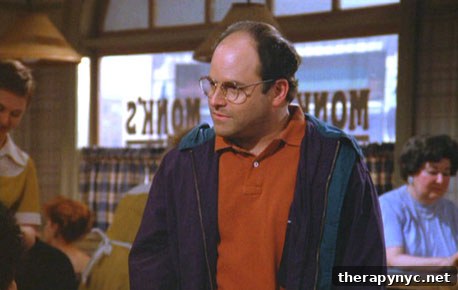
You can learn personal lessons from role models, family, friends — and even from comic characters. George Costanza, the perpetually unlucky and self-sabotaging character from Seinfeld (and later featured in reunion sketches on Curb Your Enthusiasm), offers surprisingly useful reminders about what to avoid and how to grow. Below are seven practical lessons drawn from his misadventures, written in straightforward, modern English to help you apply them in real life.
1. Believe in what you say — and in yourself
George’s famous line, “It’s not a lie if you believe it,” is not meant to be taken literally, but it highlights an important point: conviction matters. The way you deliver a message — your presence, confidence, and tone — often matters more than the words themselves. If you sound uncertain, people tend to tune out.
To become more convincing and confident:
- Take action. Confidence grows when you do things and complete tasks. Thought alone won’t build it.
- Face your fears. Practicing courage in real situations is the fastest way to internalize confidence. Repetition builds resilience.
- Reframe failure. Mistakes don’t destroy you; they teach you. Seeing failure as essential feedback reduces fear and builds stronger self-belief.
2. Try the opposite sometimes
In the episode “The Opposite,” George flips his usual habits and starts doing the reverse of his instincts — and his life improves. In personal growth, small radical shifts can change your trajectory more than incremental tweaks. Successful people often operate with different assumptions and routines than you do now.
Rather than blindly copying others, study what works and be willing to take a leap of faith. Commit to new behaviors for weeks or months to give them a chance to produce results. Expanding your comfort zone with experiments will help you discover what truly works for you.
3. Don’t blow things out of proportion
George habitually magnifies slights and imagines conspiracies where none exist. This pattern creates needless drama and keeps him stuck. People often amplify events to avoid pain, to feel important, or to justify inaction.
To break the cycle:
- Zoom out. Ask, “Will this matter in five years?” or “Does anyone have it worse than me?” These perspective questions deflate catastrophizing.
- Notice your thought patterns. Ask, “Am I making this harder than it needs to be?” Seek the simplest workable solution you might be avoiding.
- Get busier with meaningful activities. Filling your life with interests and tasks robs rumination of excess time and gives you healthier focus.
4. Words aren’t always literal
George famously declines a late-night invitation for “coffee” because he means coffee literally, missing the implied context. Communication relies on tone, context, and cues as much as on literal words. Learn to read between the lines and use common sense when interpreting social signals to avoid awkward misunderstandings.
5. Let go of grudges — forgive and move on
When George obsesses over a past insult, he demands an apology and wastes emotional energy chasing retribution. Holding grudges ties you emotionally to the person who hurt you and drags you back into the pain repeatedly.
Forgiveness is not condoning harmful behavior; it’s a practical way to free yourself from ongoing resentment. Letting go reduces stress, improves relationships, and helps you move forward with less baggage.
6. It’s only a problem if you treat it as one
George’s panic about losing his hair becomes a defining insecurity because he allows it to be. Often, the social impact of a perceived flaw is proportional to how much attention you give it. If you accept something about yourself calmly, others are usually indifferent or accepting too.
Your self-perception shapes your world. Worrying obsessively about small flaws magnifies them; relaxed acceptance minimizes them.
7. You are often your own worst enemy
George repeatedly sabotages his good opportunities through fear, insecurity, and poor choices. To stop self-sabotaging, you must build a life that reinforces your sense of worth. That means acting consistently with your values, doing your best, and accumulating small wins so you can honestly feel deserving when new opportunities appear.
One effective, slightly counterintuitive practice: treat others with generosity and kindness. How you behave toward people often mirrors how you treat yourself. Criticize and judge others, and you’ll likely be harsher on yourself. Be compassionate and helpful, and your self-regard tends to rise.
George Costanza is a comic extreme, but his flaws highlight common traps: avoidance, catastrophizing, insecurity, and resentment. Use these seven lessons as reminders to choose action over fear, perspective over drama, and compassion over judgment. You don’t have to be perfect; you just have to be willing to change a little at a time.