9 Practical Ways to Reduce Stress and Find Daily Calm

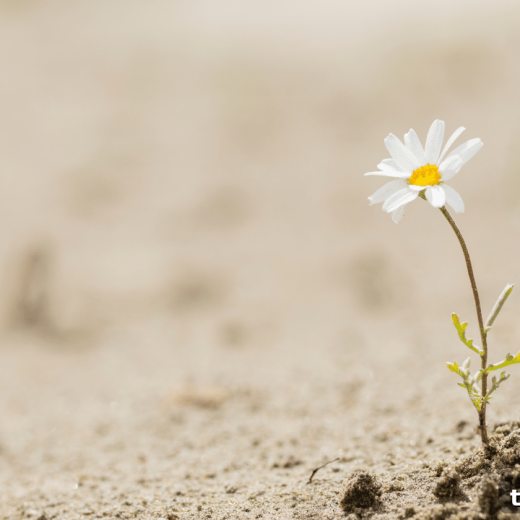
Image by muha… (Creative Commons license).
“May you have warmth in your igloo, oil in your lamp, and peace in your heart!”
Eskimo proverb
“The simplification of life is one of the steps to inner peace. A persistent simplification will create an inner and outer well-being that places harmony in one’s life.”
Peace Pilgrim
Many people want more inner peace and calmness, but finding those qualities can feel difficult amid a busy schedule, constant notifications, and competing obligations. The good news is that small, consistent changes can create lasting shifts in your sense of balance and well-being. Below are nine practical, easy-to-adopt strategies that help reduce stress, quiet the mind, and bring calm into everyday life.
- Set clear limits. Overcommitment and perfectionism drain energy quickly. Decide what truly matters, then set boundaries around your time and attention. Limit how often you check email and social media—three focused checks a day beats constant distraction. Learn to say no politely when requests don’t align with your priorities. Clear boundaries create space for restful focus and reduce the anxiety that comes from trying to do everything.
- Choose a relaxation technique that fits you. Different methods work for different people. Belly breathing calms the nervous system, exercise releases built-up tension, and meditation or yoga cultivates sustained inner stillness. Maybe long walks, listening to music, or a quick swim help you unwind. Try several approaches and keep the ones that reliably lower your stress. Practice them regularly so they become accessible tools when life gets hectic.
- Keep perspective—avoid magnifying small problems. Making mountains out of molehills intensifies stress unnecessarily. When a problem feels overwhelming, ask practical questions: Will this matter in a month or a year? Is someone else worse off right now? These perspective checks don’t minimize your experience, but they help you see problems in context and respond more calmly rather than react emotionally.
- Slow down on purpose. Rushing multiplies stress. Try deliberately slowing the pace of everyday activities—walking, eating, speaking, or commuting—with more awareness. Moving and speaking more slowly often calms the mind as well. Lowering your tempo gives you time to think, reduces mistakes, and increases enjoyment in ordinary moments.
- Declutter your surroundings and your mind. A tidy environment supports mental clarity. Spend five minutes clearing your workspace or a countertop; you’ll notice a lift in focus almost immediately. Extend this habit to closets, digital files, and routines. When your external world is simplified and organized, your mind has fewer distractions and feels calmer.
- Accept feelings and let them go. Trying to force unpleasant emotions away usually makes them stick. Instead, acknowledge what you feel without judgement. Naming the emotion—anger, sadness, resentment—often reduces its intensity. Once you have accepted it, decide to release that feeling and shift your attention to the present or to something constructive. Acceptance is not approval; it’s a way to stop giving an emotion extra power.
- Take short escapes to recharge. Small breaks can have a big effect. Read a chapter of a novel, watch a favorite episode, or listen to music you love. Brief, intentional escapes refresh your energy and help you return to responsibilities with renewed calm and perspective. Make these mini-rests part of your routine rather than only an occasional treat.
- Focus on one task at a time. Multitasking splits attention and drains energy. Choose one activity, give it your full presence, and complete it before moving on. Single-tasking improves the quality of your work and increases satisfaction, while reducing the mental clutter that breeds anxiety.
- Address nagging problems promptly. Procrastination creates persistent background stress. If a task or decision is weighing on you, take a small concrete step toward resolving it—make a phone call, schedule an appointment, or write a short plan. Progress, even imperfect, reduces tension and restores a sense of control over your life.
If you found these suggestions helpful, please consider sharing this article on social media to spread ideas about cultivating inner peace and calmness. Thank you!