Aging and Grief: Hidden Losses We Often Overlook

Recently a 73-year-old journalist contacted me with a question I hear often in my work as a geropsychologist but that doesn’t get enough attention in public conversation: how do we make sense of the grief that comes with aging?
She had experienced the familiar types of loss—losing a sibling early in life, the death of an infant, the passing of parents and grandparents. But what brought her to me wasn’t a death. It was a pair of rollerblades.
“When I finally donated my rollerblades, knowing I’d never use them again,” she told me, “I realized I was letting go of a lot more than the skates, and it hit me hard.”
That moment captures a form of loss that often goes unnoticed. As we age, grief frequently centers on endings that are not always acknowledged: a body that no longer moves the way it once did, a role that anchored identity, or freedoms once taken for granted. In a culture that values “staying young,” these experiences can be minimized or unrecognized. The result is often disenfranchised grief—pain that goes unacknowledged because it doesn’t match the kinds of loss people expect to grieve.
1) Are we hesitant to talk openly about grief related to aging? Is there social pressure to keep it private?
It’s not so much that people are unwilling to speak about aging-related grief as it is that they’re often not given meaningful opportunities to do so—or not truly heard when they try. Ageist attitudes can make older people’s feelings seem less important, and mainstream culture is more comfortable selling ways to avoid aging than examining the complex emotional realities of getting older.
Grief needs to be witnessed: spoken about and received with care. When a journalist writes about her own sadness at letting go of rollerblades, she creates space for others to recognize and name similar losses. That validation matters; it signals that the emotional complexity of aging deserves attention and respect.
2) What kinds of aging-related losses have you seen in your work?
The grief that accompanies aging is layered and symbolic. Everyday changes can carry deep emotional meaning.
Stopping driving
Giving up driving is a common tipping point. Beyond losing transportation, stopping driving often means losing freedom, spontaneity, and the sense of autonomy that allows people to participate fully in their communities. It can create dependency, change family dynamics, and foster worries about being a burden.
Domino effects
These losses rarely happen in isolation. One change often triggers many others: no longer driving may mean missing volunteer activities, social clubs, religious services, or regular errands. The small routines that kept someone connected to life can fall away, producing a cascade of loneliness and disconnection—much like letting go of rollerblades might mean losing the specific joy of speed and weightlessness that can’t be easily replaced.
Role changes
Roles shape identity. When caregiving ends because a loved one dies, the caregiver can face a profound vacancy—not just the loss of the person but of the role that gave daily purpose. Similarly, a change in financial capacity can shift how someone sees their contribution to family and community.
Physical changes
New health limitations can shrink daily life. Conditions that make travel difficult, reduce mobility, or require constant proximity to medical supports can isolate people from activities and relationships that once brought joy.
Losses in intimacy
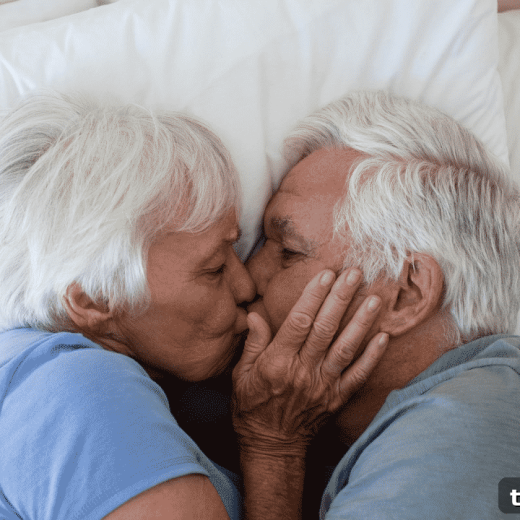
Changes in sexual health or desire are rarely discussed but can deeply affect couples. When physical intimacy fades, relationships may become more companionate, and people mourn the loss of a form of connection that once felt vital.
What stands out is that many of these losses go unwitnessed. Without cultural rituals or communal acknowledgment, people often navigate significant transitions alone.
3) How can someone proactively and compassionately move through grief tied to aging?
Name the grief and allow it to be hard.
These are real losses that deserve to be recognized. Naming the grief—quietly or aloud—lets it be processed rather than buried. Simultaneously, it’s possible to acknowledge pain without giving up on building a meaningful life.
Hold both loss and growth.
Aging brings physical losses but can also offer psychological, spiritual, and relational gains. For many people, later life is an opportunity to shift identity away from role-based worth toward deeper qualities like presence, connection, and meaning.
Find community.
Grief heals better when witnessed. Support groups, affinity groups, shared-interest activities, or informal circles of friends and family help distribute the weight of loss. Community reminds people that they are not isolated in their experience and provides practical and emotional support.
Draw on resilience.
Life experience builds strength. Reflecting on past challenges people have overcome can remind them of their capacity to adapt and grow. Therapy can help identify and translate that resilience into new coping strategies.
Explore new possibilities.
When a life pattern shifts, there can be space to imagine different ways of living. That might mean cultivating online connections, mentoring others, developing creative projects, or deepening relationships in new ways that fit current abilities.
Clarify what matters most.
Aging often sharpens priorities. With limited time and energy, deciding what truly matters helps focus attention on activities and relationships that bring meaning rather than trying to maintain everything from earlier life stages.
Savor present moments.
Slowing down and noticing simple pleasures—nature, small rituals, the cadence of daily life—can bring solace. Paying attention to what remains beautiful or joyful helps balance sorrow with appreciation.
4) Any final thoughts?
Your grief about aging-related losses is valid. Feeling sorrow does not negate gratitude. Both can exist at once. For those supporting older loved ones, the most powerful gift is often presence—listening without rushing to fix or minimize. A culture that holds space for the full emotional landscape of aging—its losses and possibilities—would help many people feel seen.
If transitions feel overwhelming, therapy can be a helpful way to process grief and design a life that feels meaningful despite change. There’s no expiration date on healing, transformation, or growth.
This post is based on questions posed by Rebecca Gummere in preparation for an article on grief and aging.