Pride Month: Prioritizing LGBTQ+ Mental Health
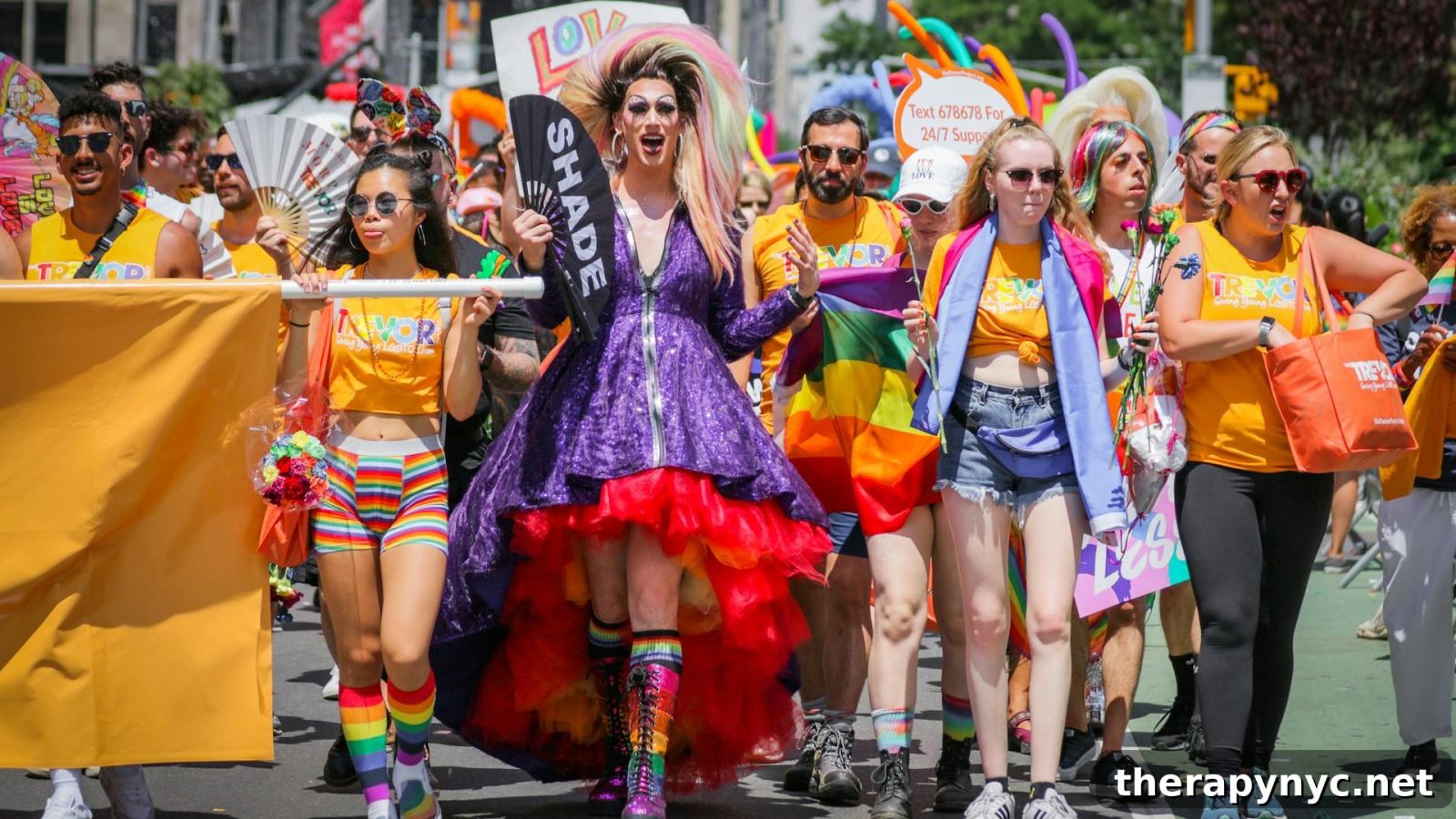
Pride celebrates LGBTQ+ identity, visibility, and self-expression. Yet beneath the colorful parades, costumes, and parties lies a history of resistance. Pride traces back to the Stonewall Uprising in June 1969, when a police raid at a New York City bar sparked multi-night demonstrations and became a turning point for LGBTQ+ activism. The first Pride marches the following year honored those protests and pushed for visibility, rights, and justice. While broader acceptance has transformed many Pride events into joyful celebrations, discrimination persists in many places, and that ongoing stigma has measurable consequences for mental health.
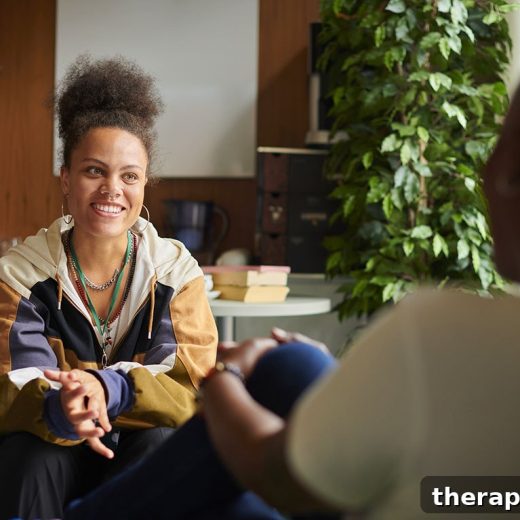
Rainier Wells, a licensed mental health counselor with Grow Therapy who identifies as non-binary, emphasizes that celebrating joy and community at Pride is both important and healing. At the same time, Wells argues Pride is an ideal moment to connect people who are struggling with mental health to resources they might not otherwise find.
“When the spotlight is on us, let’s step into it,” Wells said. “We’re already out there talking about what affects our communities. That’s also a chance to talk about the harder things that make it difficult to feel pride or to live authentically.”
The Intersection of LGBTQ+ Identity and Mental Health
The LGBTQ+ community contains diverse, intersecting identities, which means mental health trends can vary widely across different groups. Still, national data indicate that lesbian, gay, bisexual, transgender, and queer people face higher rates of mental health challenges than their cisgender, straight peers.
Recent reports show elevated risks of substance use, depression, suicidal ideation, and other behavioral health concerns among LGBTQ+ adults and youth. Surveys and studies repeatedly find that LGBTQ+ people are more likely to report needing mental health care and less likely to have consistent, culturally competent access to it.
Common Challenges
Mental health struggles for LGBTQ+ people often begin early. Bullying, unsupportive families, and community stigma can shape a young person’s development and sense of safety. A 2024 survey by the Trevor Project reported high rates of discrimination, bullying, threats of violence, and political stress among LGBTQ+ young people, all of which contribute to poor mental health.
Wells, who practices in Florida, notes the harmful effects of legislation and policy that stigmatize the community—such as restrictions on inclusive education, book bans, and attacks on symbols of solidarity. Those pressures can lead people to hide aspects of themselves, internalize negative messages, and struggle with shame and isolation.
“When the larger culture repeatedly tells you that you don’t belong, it can create internal conflict,” Wells said. “People begin to question themselves and may withdraw, which increases risk for depression and other serious outcomes.”
Resilience and Protective Factors
Despite challenges, many LGBTQ+ people develop resilience by embracing their identities and finding supportive networks. Research and qualitative studies highlight three key protective factors for LGBTQ+ youth:
- Clear sense of identity: Flexibility in self-labeling combined with pride and visibility.
- Peer networks: Connections with other LGBTQ+ people and allies that offer information and emotional support.
- Community involvement: Participation in safe, affirming spaces and mentorship through LGBTQ+ organizations and events.
“We tend to seek each other out,” Wells said. “Community resourcefulness shows up everywhere—from rural towns to big cities, people find others who understand them.”
The Role of Pride Month in Promoting Mental Health
For people who live outside major cities or lack regular access to LGBTQ+ services, Pride month can be a vital gateway. Events, booths, panels, and outreach during Pride introduce attendees to mental health services, peer groups, and local organizations that provide sustained support.
Awareness, Education, and Services
Pride offers opportunities to frame events as both celebration and access point. Organizers can highlight mental health offerings so attendees know they can learn about supports in one place.
Common mental health resources at Pride events include:
- On-site counseling: Brief sessions, crisis intervention, or referrals provided by licensed professionals or trained volunteers.
- Workshops and panels: Sessions covering coming out, family dynamics, coping with discrimination, anxiety management, and resilience-building.
- Support groups: Peer-led or facilitated groups for specific populations (transgender individuals, youth, seniors, people of color) offering safe spaces to share experiences.
- Information booths: Educational materials on local mental health services, hotlines, support groups, and online resources.
- Wellness activities: Mindfulness, yoga, art therapy, and other practices promoting self-care and stress reduction.
- Crisis resources: Outreach and information from suicide prevention organizations and crisis hotlines offering immediate support and referrals.
Community and Belonging
Beyond services, Pride fosters belonging—an essential factor for mental well-being. Many LGBTQ+ people experience family rejection or social isolation at home, and chosen families and supportive networks can be life-saving. Pride events help people find peers, mentors, and positive role models across generations.
Strong social connections reduce loneliness and mitigate depression and anxiety. For young people, seeing themselves reflected in public spaces validates identity and builds confidence. For older adults, Pride can be a chance to honor history and strengthen intergenerational bonds.
Mental Health Access and Support During Pride Month
Accessing LGBTQ+-affirming mental health care remains a challenge. Surveys show many people struggle to find timely providers, clinicians who understand their background, in-network insurance options, or affordable care. These barriers discourage treatment and worsen outcomes.
Wells notes a gap between providers who claim competence and those who truly understand intersectional experiences. Genuine cultural competence comes from listening to community voices—writers, advocates, clinicians, and leaders with lived experience.
Effective Initiatives
Pride month amplifies targeted campaigns and services that reach specific needs. Some organizations run telehealth hotlines, campaign-based fundraising, and community outreach to expand access. Local initiatives that fund specialized care or provide in-person outreach during Pride can have an immediate impact by connecting people to clinicians and programs they trust.
How Therapy Can Help
Therapy can support LGBTQ+ people working through isolation, internalized stigma, trauma, and day-to-day stressors. Approaches that Wells uses include trauma-informed care, somatic therapies that address the mind-body connection, and self-compassion practices that reduce shame and build resilience.
Somatic work helps identify how emotions show up physically, then links sensations to memories and beliefs so people can develop new narratives and coping strategies. Self-compassion teaches people to respond to themselves with kindness rather than self-criticism, which research shows supports stable self-worth and reduces loneliness.
“Therapy helps us accept what we can change and find manageable ways to cope with what we can’t,” Wells said. “It’s about building skills, community connections, and a more sustainable sense of self.”
Find Mental Health Care Today
Pride offers a powerful reminder that celebration and care can go hand in hand. After the parades and speeches, it’s important for people to leave with practical tools, connections, and resources. If you’re managing stress, depression, trauma, or isolation, explore the mental health supports available at Pride events and in your community—virtually or in person—and consider reaching out to an LGBTQ+-affirming therapist to get the ongoing care you deserve.