Can Dry January Improve Your Mental Health for the New Year?
Key takeaways
- In the short term, alcohol can disrupt sleep, increase anxiety, and amplify negative emotions. Over time it can alter brain chemistry, worsen mental health conditions, and increase the risk of addiction.
- More people are becoming “sober curious,” paying attention to how drinking affects their lives. Movements like Dry January encourage reflection and reevaluation of habits.
- Dry January is an opportunity to reassess alcohol use and to experience potential mental and physical benefits from reducing or eliminating drinking.
- A month without alcohol can improve sleep, skin health, weight management, mental clarity, and emotional resilience.
- Practical strategies for success include planning alcohol-free activities, trying mocktails, preparing for social pressure, tracking progress, and enlisting friends or family for support.
Most people know alcohol carries physical risks: it’s calorie-dense, can dehydrate you, often leads to hangovers, and contributes to long-term organ damage. Less discussed but equally important are its effects on mental health. Alcohol can worsen anxiety and depression and disrupt neurotransmitter balance in the brain, affecting mood and cognition.
As awareness grows, many people are adopting a “sober curious” mindset—being intentional about drinking and choosing to cut back. A 2024 survey of U.S. adults found a notable portion of respondents planning to reduce alcohol intake in the year ahead. Dry January and similar challenges give people a structured, short-term way to test life with less or no alcohol and notice the effects.
What is Dry January?
Dry January began as a personal experiment and later became an organized campaign encouraging people to abstain from alcohol for the month of January. Participants often report improved energy, better sleep, and small weight loss during and after the month. Research tracking participants has shown that many people continue to drink less even months after completing the challenge, suggesting the month-long pause can lead to lasting behavior change.
The effects of alcohol use on mental health
Alcohol affects mental health in both the short and long term, and its impact comes largely from altering brain chemistry—particularly neurotransmitters like dopamine, serotonin, and GABA that regulate mood and reward.
Short-term effects of alcohol on mental health
In the short term, drinking can:
- Disrupt sleep: Alcohol may make you feel drowsy, but it reduces sleep quality, leading to fatigue and mood problems the next day.
- Increase anxiety: While alcohol can temporarily reduce anxiety, the brain’s rebound response often produces heightened anxiety afterward—commonly experienced as “hangxiety.”
- Intensify negative emotions: Using alcohol to numb difficult feelings can backfire, sometimes making sadness or anger stronger.
Long-term effects of alcohol on mental health
Over time, repeating alcohol use can produce more serious consequences:
- Altered brain chemistry: Chronic heavy drinking affects dopamine, serotonin, and GABA systems and can reduce neuroplasticity—the brain’s capacity to adapt and learn.
- Worsened mental health conditions: Alcohol often co-occurs with anxiety, depression, and bipolar disorder, and it can exacerbate symptoms, complicating treatment and recovery.
- Increased risk of addiction: Relying on alcohol to cope can lead to dependence and alcohol use disorder, which affects a significant portion of the population.
- Greater vulnerability to other addictions: Alcohol use disorder raises the likelihood of developing other substance use disorders.
What to expect during Dry January
Responses to a sober month vary, but many people notice clear physical and emotional improvements.
Physical changes
- Improved sleep: Without alcohol, sleep tends to be deeper and more restorative, translating to more daytime energy.
- Healthier skin: Reduced dehydration and inflammation often lead to clearer, less red skin.
- Weight changes: Cutting out alcoholic calories and sugary mixers can produce weight loss and healthier eating choices.
- Better blood pressure: Reducing alcohol intake can help lower elevated blood pressure even over a short period.
Emotional changes
- Clearer thinking: Fewer hangovers and less fogginess often improve concentration and productivity.
- Greater self-awareness: Without alcohol’s numbing effect, people tend to notice their feelings and behavioral patterns more clearly.
- Stronger emotional resilience: Learning to cope without alcohol can build healthier emotion-regulation skills and confidence.
Tips for a successful Dry January
Planning makes the sober month easier and more rewarding. Try these strategies:
1. Choose alcohol-free activities
Social life often centers on drinking, so plan alternatives: game nights, movie evenings, arts and crafts, team sports, volunteering, or learning a new hobby. These options keep you connected while avoiding temptation.
2. Make or order mocktails
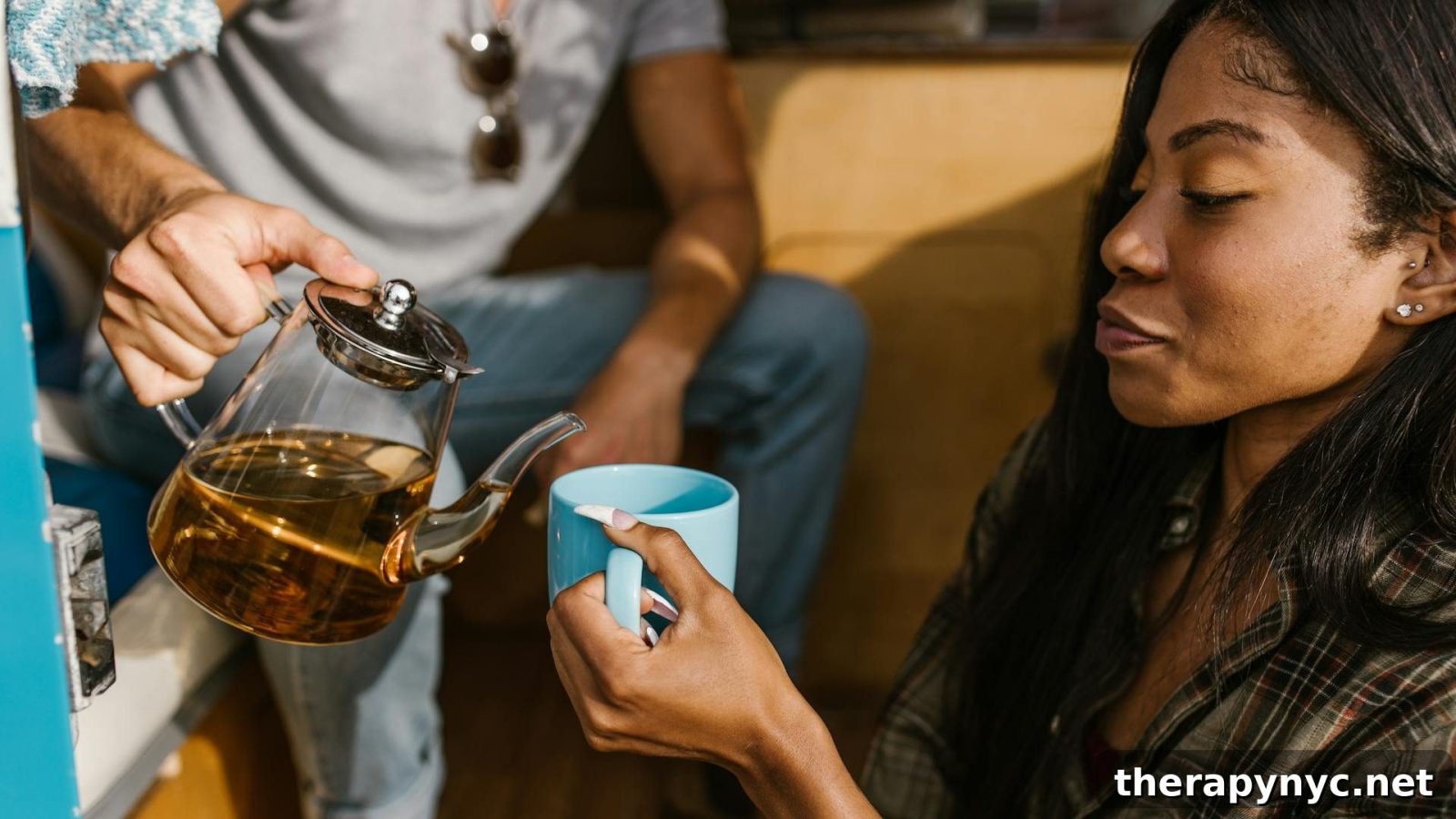
If you enjoy the ritual of a drink, try creative non-alcoholic beverages. Many mocktails are flavorful and satisfying, and drinking from a nice glass can preserve social rituals without alcohol.
3. Prepare for social pressure
People may question your choice. Keep a few brief responses ready—such as “I’m taking a break this month” or “I’m trying Dry January”—and remember you don’t owe anyone an explanation.
4. Track your progress
Journal how you feel, note improvements, and even calculate money saved. Recording changes helps you recognize the benefits and stay motivated.
5. Recruit support
Invite friends or family to join you or act as accountability partners. Doing Dry January with others makes it easier and more enjoyable.
6. Plan for cravings
Cravings are normal and usually brief. Have go-to strategies ready—call a friend, take a walk, or prepare a tasty mocktail. Simple coping tools can help you ride out urges.
7. Consider “Damp January” if needed
If total abstinence feels too difficult, reducing drinking—such as limiting alcohol to weekends or cutting back on quantity—can still yield meaningful benefits.
How therapy can help with reducing or stopping alcohol use
If drinking feels out of control or is used to cope with stress, professional help can be transformative. Therapies such as cognitive behavioral therapy (CBT) help identify triggers and unhelpful thought patterns, teaching new coping strategies. Motivational interviewing can strengthen commitment to change by clarifying personal reasons for quitting.
Note: Very heavy drinkers should consult a medical professional before stopping abruptly, as withdrawal can be dangerous. A doctor can recommend safe detox options and appropriate support.
Should you explore your relationship with alcohol this January?
Trying a sober month is a low-risk way to reassess how alcohol affects your life. Many people discover they feel physically and mentally better without it, and some choose to continue reducing or avoiding alcohol afterward. If you want more structured support, consider seeking a therapist or counselor who specializes in substance use to help you develop a sustainable plan.