Transgender Day of Visibility: Mental Health Support Guide
This article discusses mental health crises, including mentions of suicide. If you or someone you know is experiencing a mental health crisis, help is available. Call 911, go to the nearest emergency room, or call or text 988 to reach a trained crisis counselor at the Suicide & Crisis Lifeline. You can also reach out to trans-friendly mental health services or crisis hotlines such as Trans Lifeline (877-565-8860) or the Trevor Project.
This article features Edith Moran, LCSW, a transgender therapist with Grow Therapy who works with the LGBT community through sexuality- and gender-affirming treatment
As public debate around transgender identities intensifies and safety concerns rise, visibility carries both power and risk. Being seen can be liberating, affirming, and life-affirming—but it can also expose transgender people to discrimination, harassment, and policy attacks. This article examines the meaning of Transgender Day of Visibility (TDOV), the mental health landscape for transgender and gender-diverse people, how affirming therapy can help, and practical actions trans people and allies can take to promote safety, community, and wellbeing.
Key terms used in this article
- Transgender – Someone whose gender identity or expression does not align with the sex assigned at birth.
- Body dysmorphia – Distorted perceptions of one’s body and persistent distress about appearance.
- Gender dysphoria – Distress that can result when a person’s gender identity differs from the sex assigned at birth or from societal expectations tied to that sex.
- Cisgender – Someone whose gender identity aligns with the sex assigned at birth.
- Gender-nonconforming/Gender-expansive – Someone whose identity or expression differs from social norms for their assigned sex.
- Nonbinary – Someone whose gender identity does not fall exclusively into the categories of man or woman.
- Misgender – Referring to someone using language, especially pronouns, that do not reflect their gender identity.
- Deadname (noun) – A transgender or nonbinary person’s birth name that they no longer use.
- Deadname (verb) – The act of using a trans person’s birth name despite their name change.
- Internalized transnegativity – Also called internalized transphobia, negative feelings a trans person may hold because of societal transphobia and expectations around gender.
Understanding Transgender Day of Visibility (TDOV)
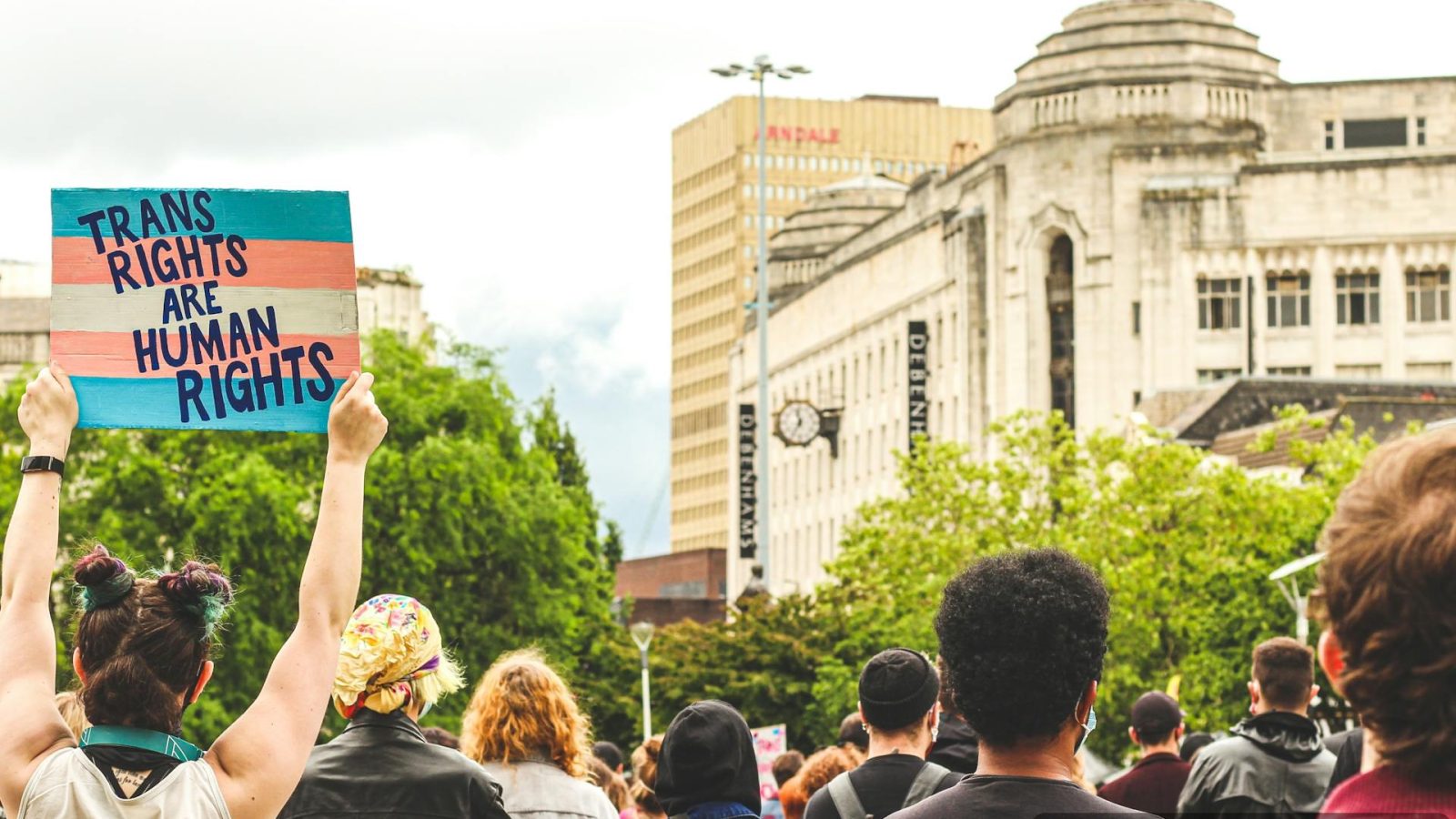
Transgender Day of Visibility (TDOV), observed each year on March 31, was created to celebrate transgender people and highlight their contributions, resilience, and everyday lives. TDOV intentionally focuses on visibility and celebration rather than mourning—distinct from Transgender Day of Remembrance, which honors those lost to anti-trans violence. Visibility helps counter stereotypes, improve representation, and can have positive effects on mental health by increasing recognition and acceptance.
At the same time, public visibility can increase exposure to violence, discrimination, and hostility. Legislative actions that limit affirming care, restrict participation in sports, or roll back anti-discrimination protections create additional stress for transgender communities. Balancing personal safety with the desire for recognition is a central concern for many trans people and communities.
Leaning into trans joy and community is what will get us through this trying, terrifying, and tumultuous time. Trans, nonbinary, and gender expansive folks need now, more than ever, social relationships, support from peers, and local, national, and global community.
– Edith Moran, LCSW, Grow Therapy Provider
The mental health landscape for transgender people
Recent surveys and studies underline the acute mental health challenges affecting transgender and nonbinary people. High rates of discrimination, harassment, and serious psychological distress are reported across age groups. Many transgender adults experience anxiety and depression at rates higher than the general population, and suicidal ideation and attempts are disproportionately common.
Factors that contribute to poorer mental health include family rejection, social isolation, systemic discrimination (including in healthcare), and internalized transnegativity. Body dissatisfaction and disordered eating can also be linked to gender dysphoria, especially among transgender youth.
Barriers to mental health care
Although gender-affirming medical care—such as puberty blockers, hormones, and surgeries—can alleviate symptoms of dysphoria and reduce mental health distress, access is often limited. Common barriers to receiving mental health and medical care include:
- Lack of culturally competent clinicians who respect names, pronouns, and identity.
- Financial obstacles, including low income and lack of insurance coverage.
- Fear of discrimination or poor treatment in healthcare settings.
- Socioeconomic obstacles such as transportation, unstable housing, and limited internet access for research or telehealth.
These barriers are particularly severe for transgender youth, who face higher rates of homelessness and instability due to stigma and family rejection.
Intersecting identities and compounded risk
Transgender experiences are shaped not only by gender but also by race, immigration status, disability, and neurodivergence. Trans people of color often face layered experiences of racism and transphobia that increase psychological distress and reduce access to care. People with disabilities may encounter ableism, transportation challenges, and provider bias that leave health needs unmet. Neurodivergent trans people report higher rates of autism diagnoses and sensory differences, which can complicate how their gender identity is received and validated by others.
When these identities overlap, the risk of marginalization increases, often creating unique and complex barriers to wellbeing and affirmation.
How therapy can support transgender mental health
Community connectedness, self-esteem, and supportive relationships are among the strongest protective factors for transgender mental health. Gender-affirming therapy offers a safe, nonjudgmental space for exploration, identity development, and coping skill building. A therapist who understands minority stress, trauma, and the specific impacts of transphobia can help clients process dysphoria, build resilience, reduce internalized shame, and strengthen connections to supportive communities.
Having a safe, judgment-free space to question, explore, and think critically about one’s gender, in my professional opinion, is of utmost importance not only to successful navigation of gender nonconformity, but also to being a well-balanced and fully realized individual.
– Edith Moran, LCSW, Grow Therapy Provider
Therapeutic approaches that commonly support transgender clients include:
- Gender-affirming therapy to explore identity and address gender dysphoria.
- Transgender-affirmative cognitive behavioral therapy (TA-CBT) to adapt CBT tools around gender-related stressors.
- Dialectical behavior therapy (DBT) for managing intense emotions and improving interpersonal effectiveness.
- Trauma-informed affirmative therapy that recognizes minority stress and fosters healing.
- Group therapy to build connection, reduce isolation, and share coping strategies with peers.
These modalities aim to validate experience, reduce distress, and support long-term wellbeing.
The difference between affirmative therapy and conversion therapy
Affirmative therapy validates and supports minority gender and sexual identities, helping clients explore identity, expression, and self-empowerment. In contrast, conversion therapy attempts to change or suppress a person’s gender identity or sexual orientation and has been widely discredited and condemned by medical and mental health organizations. Conversion practices increase shame, distress, and mental health harm.
Signs that a provider may not be truly affirming include dismissing or questioning your identity, pushing binary norms, focusing on “fixing” your gender, showing refusal to learn about transgender issues, minimizing intersectionality, or ignoring discrimination and trauma. An affirming provider shows respect for your experience and creates a safe, nonjudgmental space for exploration.
Hormones and mental health
Gender-affirming hormone therapy (GAHT) is a common and effective intervention for many transgender and nonbinary people seeking alignment between their bodies and identities. Estrogen can promote feminizing changes, while testosterone can promote masculinizing changes. Access to GAHT is increasingly restricted in some jurisdictions, and even where available, people can face long wait times, strict eligibility criteria, and medical gatekeeping—factors that can increase distress and feelings of helplessness.
Coping with discrimination and microaggressions
Building resilience against transphobia involves strategies to protect emotional health when confronting discrimination and microaggressions. Helpful practices include:
- Setting clear boundaries in social and professional settings.
- Seeking support from trusted friends, family, and peers.
- Using mental tools such as cognitive reframing, grounding techniques, and self-compassion practices.
- Accessing ongoing therapy for sustained support.
Having intentional practices for emotional safety can reduce harm and increase a sense of control and empowerment.
Actionable ways to support trans mental health on TDOV and beyond
Community connection is a key protective factor for trans mental health. Celebrating TDOV can be an opportunity to build relationships, find joy, and strengthen resources. Practical supports include:
- Online and local support groups to share experience and build peer connections.
- Community initiatives and events that create affirming public presence and mutual support.
- Mental health and crisis resources that are trans-affirming and trauma-informed when needed.
Allies can help by centering trans voices, listening without taking space, affirming identities, asking respectful questions, and supporting trans-led organizations and services. Donations, advocacy, and public allyship can help change systems and expand access to care.
For trans individuals
Ways to celebrate TDOV safely and meaningfully include:
- Practicing self-care: Find routines that support emotional balance, such as reflection, rest, or positive affirmations.
- Joining affirming events: Participate in community gatherings that validate identity.
- Accessing crisis support: Reach out to trans-friendly hotlines or trusted mental health providers if in crisis.
- Getting involved in advocacy: Engage with local or national groups that advance trans equality and access to care.
Build community where possible—connect with local LGBTQ+ centers, online peer groups, or trusted friends, and ask for explicit support when you need it.
For allies and supporters
Allies can support trans mental health by elevating trans leadership, listening and learning, showing up in nonjudgmental ways, and using privilege to advocate for inclusive policies. Center trans perspectives in conversations and support organizations that provide services and advocacy for transgender people.
The power of visibility and care
Visibility is a vital tool for progress, but it carries real risks and emotional weight. Effective responses combine community, therapy, self-care, and sustained advocacy. Progress depends on ongoing learning and collective action from both trans people and their allies.
It’s okay to not be okay. Give yourself and others grace. Be kind, lean into joy, and stand tall! The beauty of trans joy is that it is limitless, inspirational, and life-saving!
– Edith Moran, LCSW, Grow Therapy Provider
If you are seeking a gender-affirming therapist or more structured support, consider looking for providers who specialize in transgender-affirming care and who create safe, nonjudgmental spaces for exploration, healing, and growth.