2025 Mental Health Statistics: 60 Key Facts and Trends

Mental health touches everyone—directly or through someone we care about. Conditions like anxiety, depression, stress, and substance use are more common than many realize and can affect work, relationships, and daily functioning. Recent statistics clarify how widespread these challenges are, who is most affected, and where gaps in care persist.
Although millions could benefit from support, many face barriers to treatment. Stigma, cost, limited provider availability, and difficulty finding the right therapist leave large numbers without help. The figures below summarize the latest global and U.S. data on prevalence, youth and Gen Z trends, suicide, and access to treatment, underscoring why awareness and expanded services matter.
Global mental health statistics
Mental disorders cross borders and affect people of all ages and backgrounds. While millions live with diagnosable conditions, treatment access is uneven worldwide. Key global findings include:
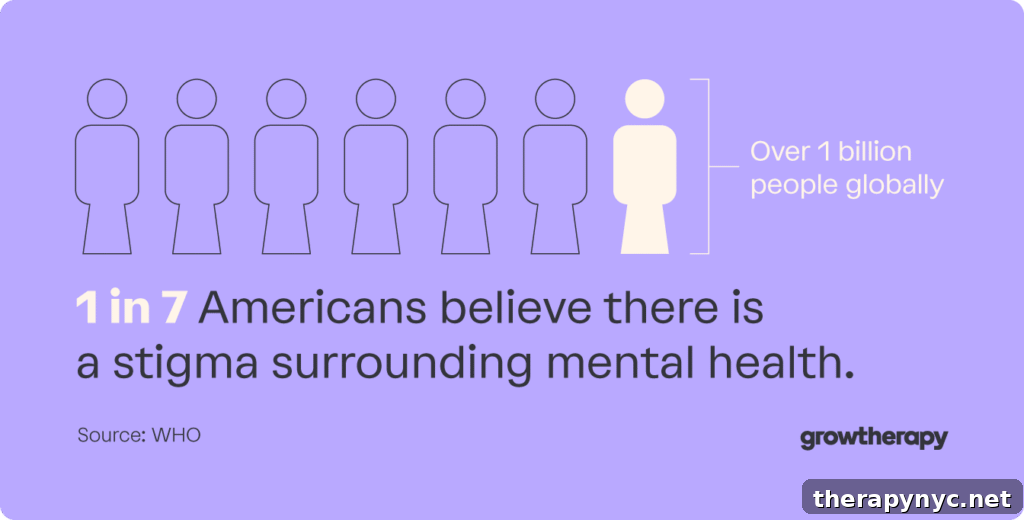
- Over 1 billion people worldwide are estimated to be living with a mental health condition—about one in seven people. (WHO, 2025)
- Across a lifetime, roughly half of people will experience some form of mental disorder. (The Lancet Psychiatry, 2023)
- Mental health conditions are the second leading cause of years lived with disability (YLDs) worldwide, reflecting long-term impacts on functioning. (WHO, 2025)
- Disorder patterns vary by sex: women most commonly experience depression and specific phobias, while men are disproportionately affected by alcohol use disorder and depression. (The Lancet Psychiatry, 2023)
- Service gaps are stark: in low-income countries, fewer than 10% of those needing care receive it, while in higher-income countries the figure exceeds 50% in many cases. (WHO, 2025)
- Approximately 71% of people with psychosis globally do not receive mental health services. (WHO, 2025)
- Funding remains limited: in many low- and middle-income countries, less than 1.4% of health budgets go to mental health. (WHO, 2025)
- A large international survey across 31 countries found 62% of respondents experienced stress that affected daily life at least once during the past year. (Ipsos, 2024)
- Worldwide, 23% of people reported feeling lonely for much of the previous day in a global poll. (Gallup, 2024)
U.S. mental health statistics
In the United States, high stress levels, stigma, and gaps in access shape how people experience mental health challenges. These statistics highlight prevalence, help-seeking, and system strain.
- About 1 in 4 U.S. adults (26.1%) report having perceived a mental health issue at some point in their lives. (SAMHSA, 2024)
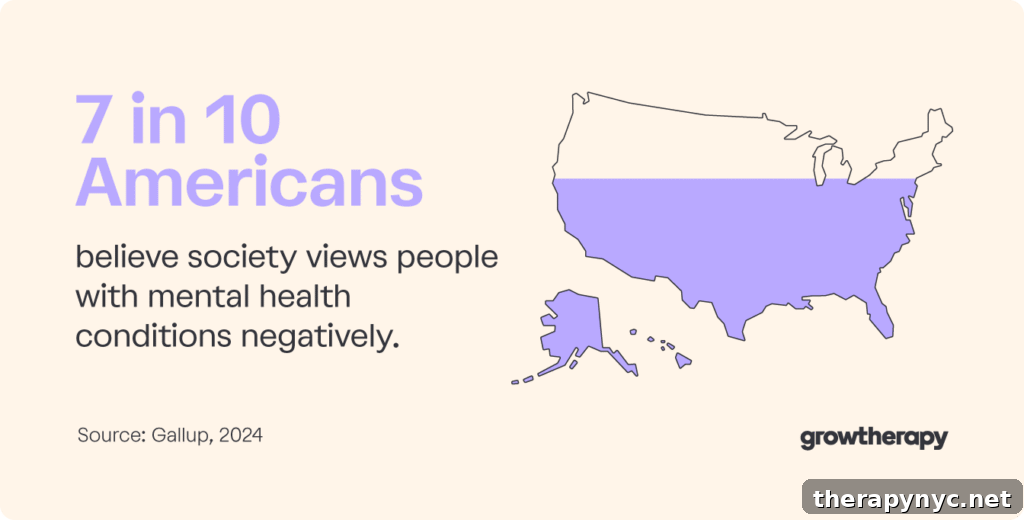
- 7 in 10 Americans say mental health still carries stigma. (Gallup, 2024)
- More than half of Americans (53%) report a household member or close family member has been diagnosed with a mental health condition. (Gallup, 2024)
- About 18.3% of U.S. adults currently have depression or are receiving treatment for it. (Gallup, 2025)
- 12.1% of U.S. adults regularly experience worry, nervousness, or anxiety. (National Center for Health Statistics, 2024)
- 21.7% of U.S. adults reported symptoms consistent with generalized anxiety disorder in the past two weeks. (SAMHSA, 2024)
- About 16.8% of Americans ages 12 and older met criteria for a substance use disorder in the past year. (SAMHSA, 2024)
- 34.5% of U.S. adults with a mental illness also have a substance use disorder. (SAMHSA, 2024)
- 11.5% of U.S. adults report limitations in social participation due to physical, mental, or emotional conditions. (NHIS, 2024)
- In August 2025, there were 5,081 mental health–related emergency room visits per 100,000 total visits, indicating continued pressure on acute care settings. (CDC, 2025)
Youth mental health statistics
Children and adolescents face rising mental health needs, influenced by academic pressure, social media, and pandemic-related disruptions. The data below highlights trends among young people.
- Globally, about 1 in 7 adolescents experience a mental health condition. (WHO, 2025)
- In 2023, nearly 29% of U.S. high school students said their mental health was poor most or all of the time during the past month. (CDC, 2024)
- 42% of U.S. parents report their child’s mental health was negatively affected by the COVID-19 pandemic. (Gallup, 2025)
- Among U.S. college students, about 36% have been diagnosed with anxiety and 30% with depression. (Healthy Minds, 2023)
- At least 43% of U.S. college students have considered leaving school in the last six months because of mental health concerns. (Gallup, 2024)
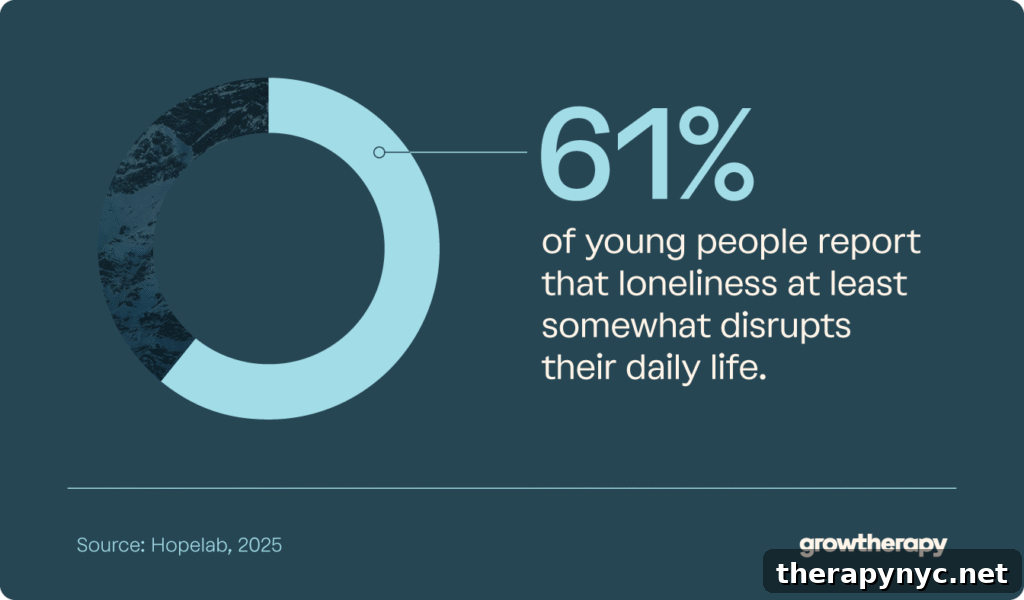
- 61% of young people in the U.S. say loneliness interferes at least somewhat with daily activities. (Hopelab, 2025)
- Depressive symptoms appear nearly twice as often in adolescent girls as in boys—about 16% vs. 10%. (CDC, 2023)
- 48% of U.S. teenagers now view social media as mostly harmful to people their age, up from 32% in 2022. (Pew Research Center, 2025)
- Two-thirds of LGBTQ+ young people (66%) in the U.S. report recent symptoms of anxiety. (The Trevor Project, 2024)
- Half of LGBTQ+ youth who sought help in the past year were unable to access the care they needed, pointing to significant access barriers. (The Trevor Project, 2024)
Gen Z mental health statistics
Generation Z is reporting high rates of mental health concerns and related workplace impacts. This cohort faces distinct pressures from social, educational, and economic changes.
- Nearly 46% of Gen Z Americans have been diagnosed with a mental health condition, often anxiety, depression, or ADHD. (Harmony Healthcare IT, 2025)
- More than one-third (37%) of young adults believe they may have an undiagnosed mental health condition. (Harmony Healthcare IT, 2025)
- Globally, about 40% of Gen Z say they need mental health help. (UNICEF, 2025)
- 4 in 10 Gen Z adults worldwide report feeling anxious or stressed most or all of the time. (Deloitte, 2025)
- More than half of Gen Z globally (54%) say stress prevented them from working at least once in the past year. (Ipsos, 2024)
- Gen Z women report higher rates of persistent depression than men, with around 40% indicating repeated prolonged periods of sadness or hopelessness. (Ipsos, 2024)
- Stigma remains a barrier: 46% of U.S. Gen Z workers say stigma prevents them from seeking mental health care. (The Hartford, 2025)
- 42% of Gen Z Americans report they are currently in therapy, a notable increase since 2022. (Harmony Healthcare IT, 2025)
- Among global frontline workers, 83% of Gen Z report burnout and over one-third say they might quit because of it. (UKG, 2024)
- Only 40% of parents of Gen Z youth in the U.S. report talking openly with their children about mental health, despite parental concern. (Gallup, 2024)
Suicide prevention statistics
Suicide remains a leading cause of death in many populations. Understanding risk patterns and effective prevention in health settings can save lives.
- Globally, about 740,000 people die by suicide each year, averaging one death every 43 seconds. (The Lancet Public Health, 2025)
- In the U.S., suicide is the 11th leading cause of death overall. (CDC, 2023)
- Globally, suicide ranks as the third leading cause of death among young people. (WHO, 2025)
- In the U.S., men die by suicide at a rate about 3.8 times higher than women. (CDC, 2023)
- Suicide risk is disproportionately high among LGBTQ+ youth: 39% seriously considered suicide in the past year, including 46% of transgender and nonbinary young people. (The Trevor Project, 2024)
- About 73% of global suicides occur in low- and middle-income countries. (WHO, 2025)
- Serious suicidal thoughts are reported by 5.5% of U.S. adults, rising to 12.6% among ages 18–25. (SAMHSA, 2024)
- Evidence shows prevention in primary care can help: integrating suicide care into primary visits reduced attempts by 25% in the three months after the visit in one study. (NIMH, 2024)
Mental health treatment and therapy statistics
Demand for therapy is rising, but many people still lack adequate care. Cost, provider shortages, and uneven treatment quality continue to limit access worldwide.
- U.S. therapists report an increase in first-time therapy seekers, with 68% noting a rise. (Grow Therapy, 2024)
- Many patients see early progress: therapists report 78% of patients begin to notice improvement after two to eight sessions. (Grow Therapy, 2024)
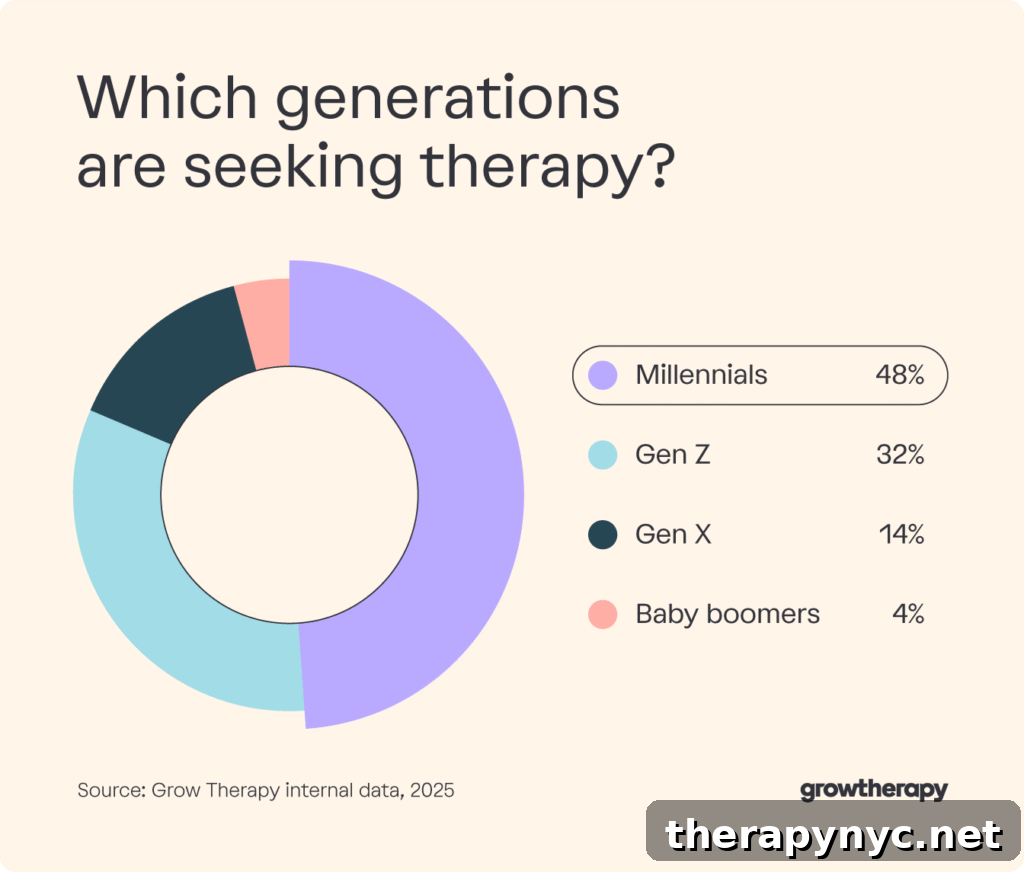
- Among therapy seekers in the U.S., millennials make up the largest share (48.1%), followed by Gen Z (31.7%), Gen X (14.5%), and baby boomers (3.9%). (Grow Therapy internal data, 2025)
- Globally, only about 9% of people living with depression receive minimally adequate treatment. (WHO, 2025)
- Across multiple countries, fewer than 7% of those with mental health or substance use disorders receive treatment considered effective. (JAMA Psychiatry, 2025)
- Only 13.9% of people with anxiety, mood, or substance use disorders worldwide received treatment in the past year in one study. (BioMed Central, 2025)
- In 2024, 58.8% of adults with both a substance use disorder and any mental illness received treatment for at least one condition. (SAMHSA, 2025)
- Only 14% of U.S. adults reported receiving counseling or therapy from a mental health professional in the past year. (CDC, 2024)
- The top obstacles to care are cost (52%) and difficulty finding a provider (42%). (Gallup, 2024)
- 57% of U.S. adults feel very or extremely comfortable talking with a close friend about mental health. (Pew Research Center, 2024)
- Just over half of Americans (53%) view counseling or therapy as an effective treatment. (Gallup, 2024)
- More than half of U.S. adults (51%) think primary care doctors should screen patients for anxiety and depression. (Gallup, 2024)
- Women report being asked about their mental health during medical visits more often than men (71% vs. 60%). (Gallup, 2024)
Find mental health support with Grow Therapy
These statistics illustrate both the scale of mental health needs and the importance of improving access to care. While many people still face barriers, growing acceptance of therapy and expanded coverage options are helping more people get support.
If you’re seeking help, Grow Therapy connects people with licensed therapists who provide virtual and in-person care. Whether you’re coping with anxiety, depression, stress, or other concerns, scheduling a session can be a practical first step toward better mental health.