Does Online Therapy Work? What Research Says

Almost anything can be done online these days—from grocery shopping to workout classes and nearly everything in between—so it’s no surprise that therapy is increasingly offered remotely. As more people consider teletherapy, a common question arises: is online therapy effective?
That’s a reasonable concern. Mental health care matters, and you want to be confident it will help before you commit. This guide summarizes the research, explains key benefits and limitations of online therapy, and offers practical tips for choosing a therapist or platform that fits your needs.
What the research says
There is growing evidence that online therapy can be effective for many common mental health issues. Research comparing telehealth with traditional in-person care generally finds comparable results for conditions such as depression, anxiety, and other common concerns.
For example, a 2024 study published in JAMA Network Open reported that among veterans receiving mental health services, facilities that used telehealth more frequently experienced fewer suicide-related events. That finding suggests that when telehealth is accessible and well integrated into care, it can play a role in reducing risk and improving outcomes.
Internal client surveys from online mental health networks also show high satisfaction: clients often report it’s easier to find a provider, costs can be lower than expected, and many people feel better after a few months in therapy. Taken together, these results point to teletherapy as an accessible, effective option for many people.
Benefits of online therapy
Accessing mental health support isn’t always simple. Online therapy removes many logistical barriers and expands options for care. Below are some of the main advantages teletherapy offers.
Improved accessibility for patients
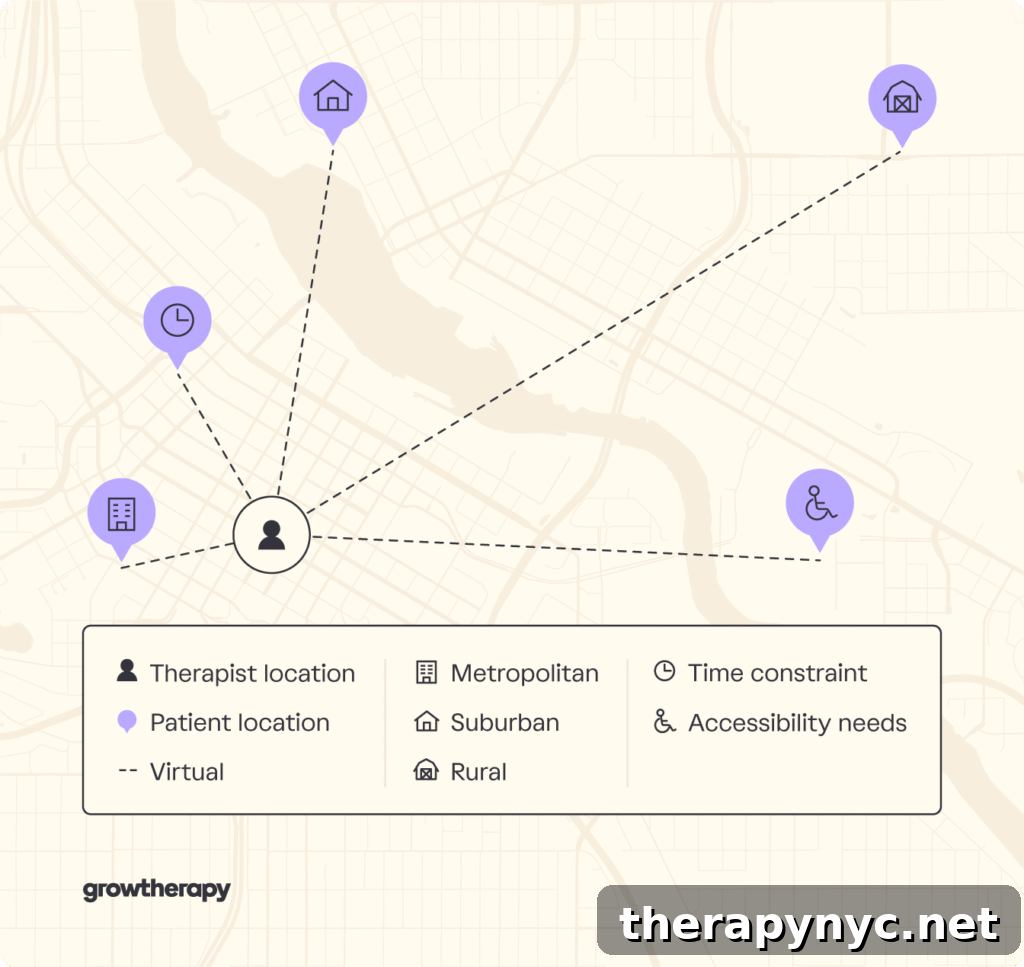
Traveling to appointments is a real barrier for people in rural or remote areas or for those without reliable transportation. Online therapy enables clients to meet a licensed provider from anywhere—whether they are in a different city or simply at home—removing geographic limits and increasing the pool of available clinicians.
Virtual sessions also improve access for communities that have historically been underserved or where local mental health resources are scarce. When specialists or certain types of therapy aren’t available nearby, video and phone sessions can connect clients with clinicians who match their needs, regardless of location.
People with mobility limitations, chronic illness, or caregiving responsibilities often find it much easier to attend therapy when they can join sessions from home, which supports consistency and ongoing care.
Private setting
Therapy requires trust and privacy. For many, meeting a therapist from a private space at home avoids the stress of waiting rooms and reduces outside distractions, creating a more comfortable environment for opening up. That feeling of safety often helps clients speak more freely and engage more deeply in treatment.
Security is also important. Reputable online mental health platforms use encrypted communications and follow HIPAA guidelines to protect privacy and keep sessions confidential. Knowing that your conversations are secure supports a stronger therapeutic relationship and better outcomes.
Flexible scheduling
Busy schedules are a common reason people delay therapy. Teletherapy makes it easier to fit sessions into your day—during a lunch break, early morning, or after the kids are asleep. Many providers offer evening and weekend appointments, which helps people maintain a consistent routine without rearranging their entire day.
This flexibility also benefits people who work remotely or in hybrid roles, since it reduces commute time and makes it simpler to step away briefly for a session and return to work.
Potentially more affordable care
Online therapy can reduce indirect costs like travel and time away from work, making care more manageable financially for some clients. Many online networks provide transparent per-session pricing, insurance filters, and clear information about what to expect out of pocket.
When platforms display accepted insurance plans and typical client costs, it helps people plan for care with fewer surprises and greater confidence in their ability to afford consistent treatment.
When online therapy may not be the best option
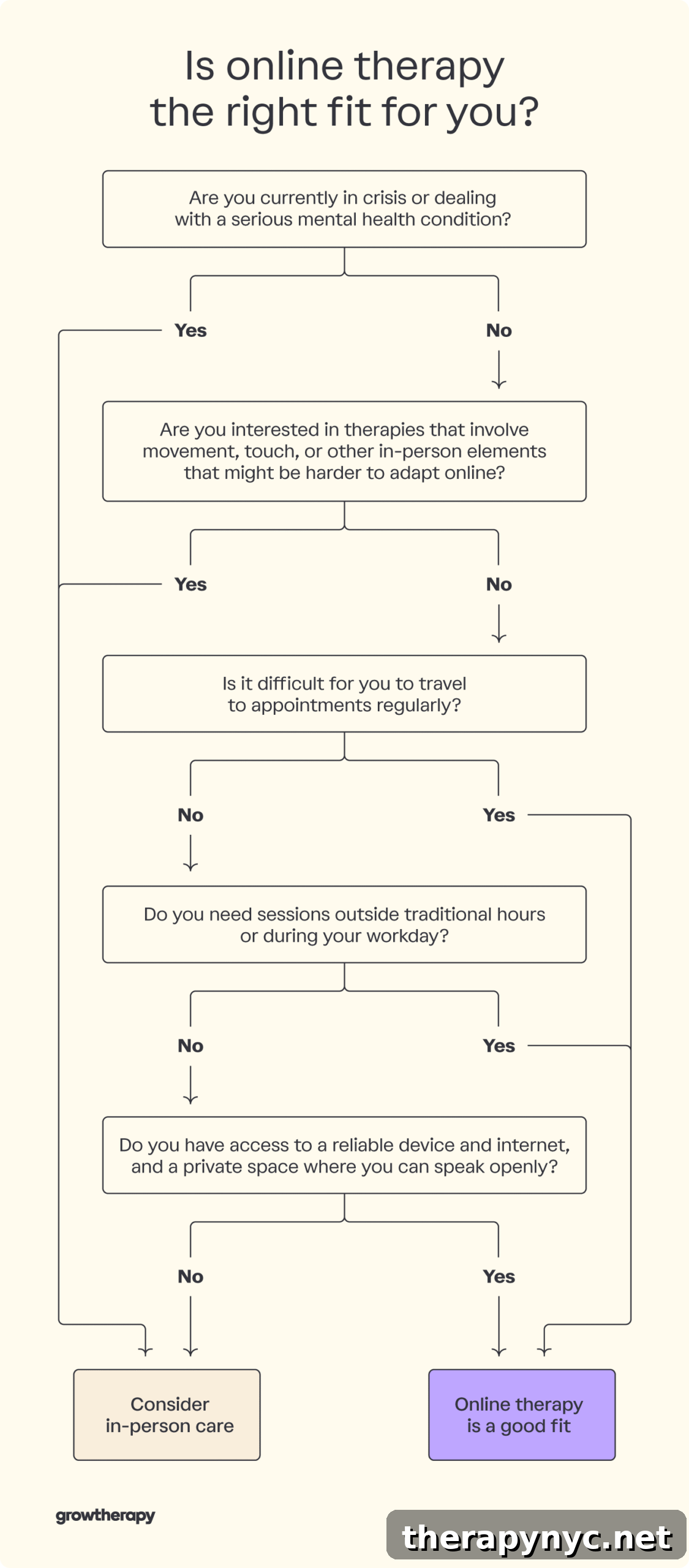
While teletherapy suits many people, there are situations where in-person care may be preferable. Severe mental health crises, active suicidality, or conditions requiring close inpatient or hands-on monitoring are often better managed with face-to-face services and immediate safety planning.
Certain therapeutic approaches that rely on hands-on techniques, precise in-person assessment, or specialized equipment (for example, some trauma-focused somatic practices or neurofeedback) may be more effective when delivered in person. In addition, if part of recovery involves getting out of the house and re-engaging socially, attending sessions in person can support those goals.
Many providers offer both virtual and in-person options, so you don’t always have to choose one format forever. Combining teletherapy and face-to-face sessions can offer the best of both worlds depending on your needs.
How to choose the right online therapist or platform
If online therapy seems like a good fit, the next step is choosing a platform and finding a therapist who feels right for you. A few pragmatic steps can make that process easier and more effective.
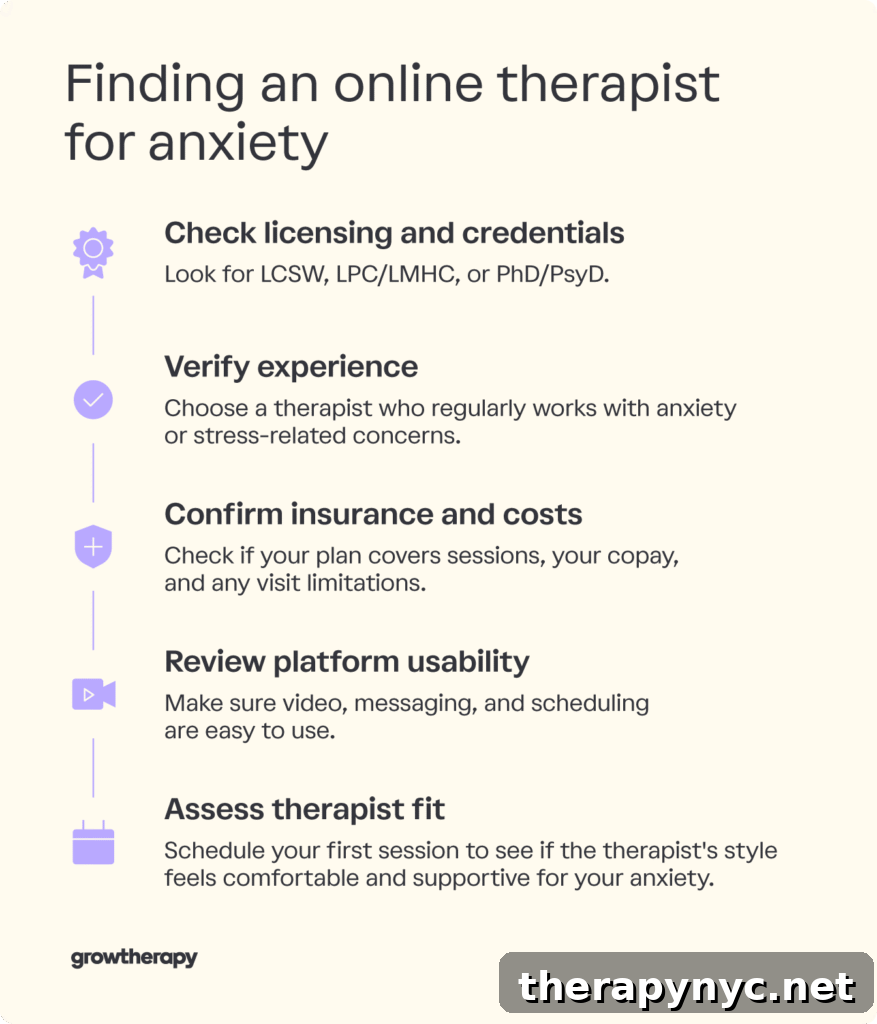
- Check insurance and budget. Start by identifying networks or providers that accept your insurance, or that clearly display session pricing so you can compare costs.
- Evaluate platform features. Review how the platform conducts sessions (video, phone, messaging), what scheduling options are available, and whether support resources or FAQs answer your questions.
- Confirm therapist credentials. Make sure potential therapists are licensed in your state and trained in the approaches you want—this information is typically listed on clinician profiles.
- Assess personal fit. Read bios, watch introduction videos if provided, or use a brief initial session to see whether the therapist’s style and approach suit you.
Your first appointment is an opportunity to ask about therapy structure, confidentiality, expected duration, and how progress will be tracked. If something doesn’t feel right, it’s okay to try a different clinician until you find a good match.
Making online therapy work for you
Both research and client experiences show that online therapy can help many people manage common mental health challenges while fitting into busy lives. Teletherapy offers flexibility, privacy, and broader access to licensed professionals, which can make it easier to start and continue care.
Explore platforms that list both virtual and in-person options, show accepted insurance plans, and provide clear profiles so you can find a therapist who meets your needs. Choosing a provider with transparent pricing, accessible scheduling, and strong privacy protections will help you focus on progress and well-being.