8 mental health trends reshaping US care in 2026

Demand for mental health care in the U.S. is at an all-time high, and the ways people find treatment are evolving rapidly. More than one in five U.S. adults experience mental illness each year, and recent surveys show anxiety and stress are the leading reasons people seek therapy (about 34%), followed by depression (15%) and trauma (9%). Advances in telehealth, reduced stigma, and a growing focus on affordability and convenience are reshaping how care is delivered and received.
Below are eight key consumer trends shaping mental health care today—trends that highlight how digital tools, policy progress, and changing expectations are expanding access, improving outcomes, and redefining what effective care looks like.
1. Technology integration: Online therapy, AI, and virtual-first care
Telehealth has become a standard part of mental health delivery. A large share of telehealth visits now involve mental health diagnoses, and virtual platforms make it easier for people to schedule sessions, message clinicians between appointments, and receive support without many logistical barriers. Licensing requirements still vary by state, but virtual care has expanded options for many who previously faced long travel times or limited local providers.
At the same time, artificial intelligence and automation are streamlining administrative tasks and enhancing clinical insight. Features like session summaries, between-session reflections, and intelligent note tools reduce paperwork so clinicians can spend more time with clients. When used thoughtfully, these tools support the therapist–client relationship rather than replace it.
2. Demographic shifts: Younger generations, neurodiversity, and evolving needs
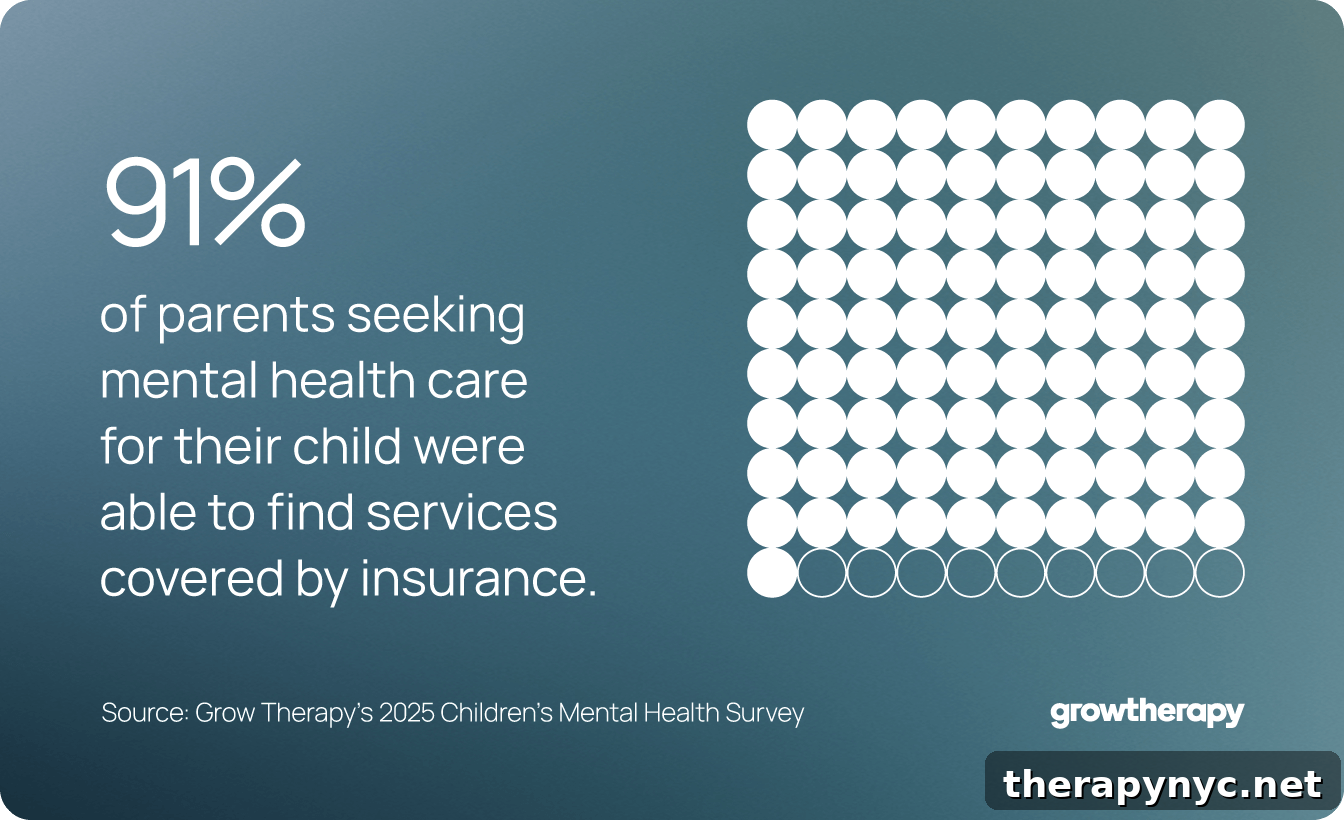
Millennials and Gen Z continue to be major users of mental health services, but parents—particularly older millennials and Gen X—are increasingly involved in arranging care for children and adolescents. Most parents seeking care for their children report being able to find insurance-covered services, reflecting stronger pathways to treatment for families.
Rising diagnoses of conditions such as ADHD, anxiety, and depression among young people have increased demand for clinicians skilled in diverse communication styles. Teletherapy can offer a more comfortable setting for neurodivergent clients, helping manage sensory needs and enabling flexible approaches that work better for individual preferences.
3. Workplace mental health: From perk to priority
Workplaces are a major source of stress for many adults, and employers are treating mental health as a core aspect of employee well-being. Increasingly, organizations offer virtual counseling and other behavioral health benefits as part of standard offerings. These options help employees seek confidential care without disrupting work schedules, and flexible hours—such as evenings and weekends—make it easier to access services.
4. Holistic wellness: Lifestyle, mind-body approaches, and overall well-being
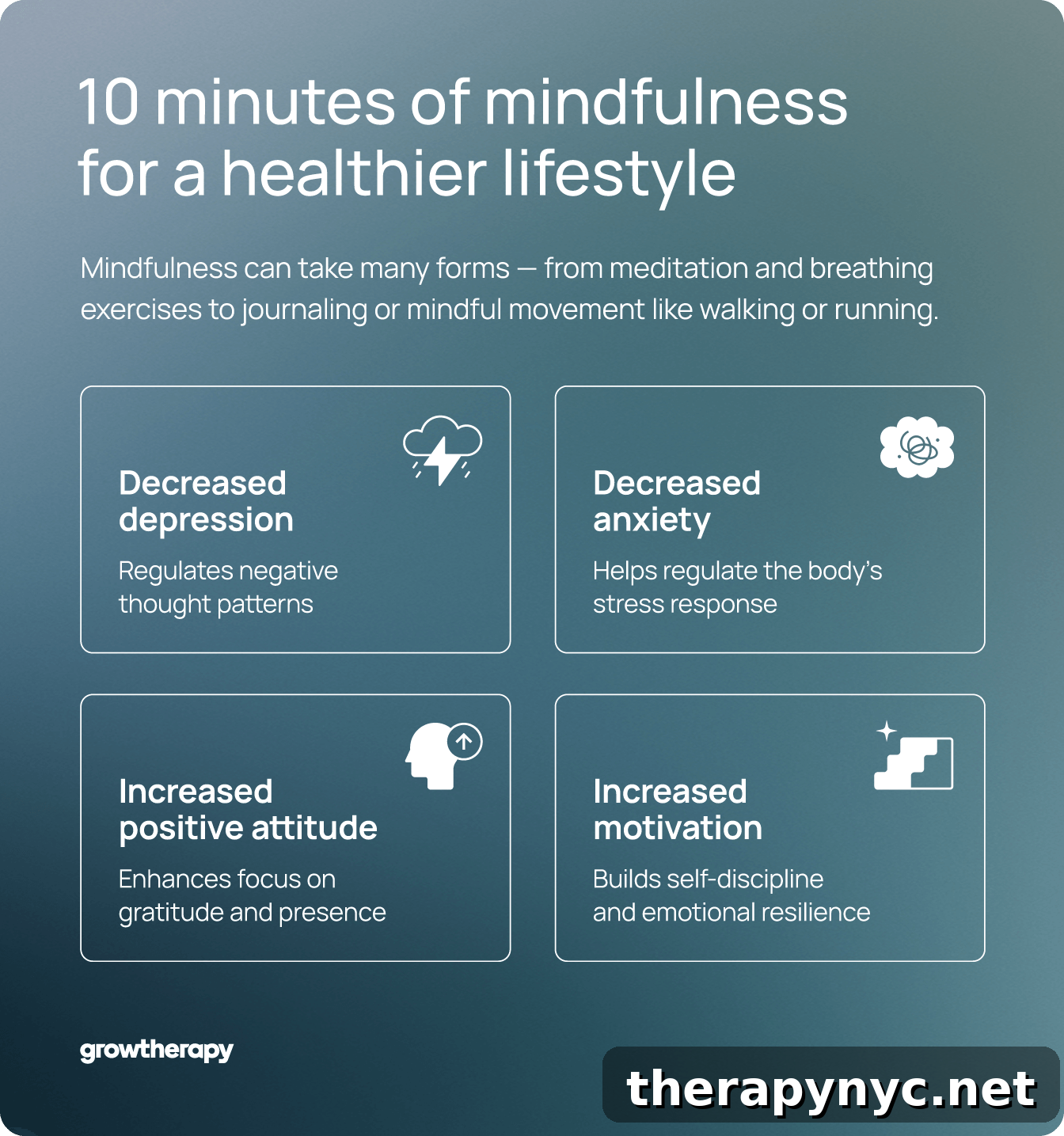
There is growing recognition that mental health and physical health are deeply connected. Regular exercise, consistent sleep, balanced nutrition, and brief daily mindfulness practices all contribute to improved mood and reduced anxiety. Small, sustainable lifestyle changes can meaningfully reduce symptoms and support long-term resilience.
Digital tools and wearables help people track sleep, activity, and mood, offering useful data that clinicians can incorporate into care plans. Telehealth platforms make it easier to review that data together and adjust treatment in real time, supporting a whole-person approach that blends therapy with lifestyle supports.
5. Integrated care: Embedding behavioral health in primary settings
Integrated care models are helping close the divide between physical and mental health services. As behavioral health visits continue to rise, embedding mental health support in primary care settings improves coordination, supports medication adherence, and helps normalize treatment. Telehealth strengthens these links by enabling secure collaboration between primary care providers and behavioral health clinicians, facilitating timely referrals and follow-up care.
6. Gaps in care and accessibility: Virtual expansion meets persistent shortages
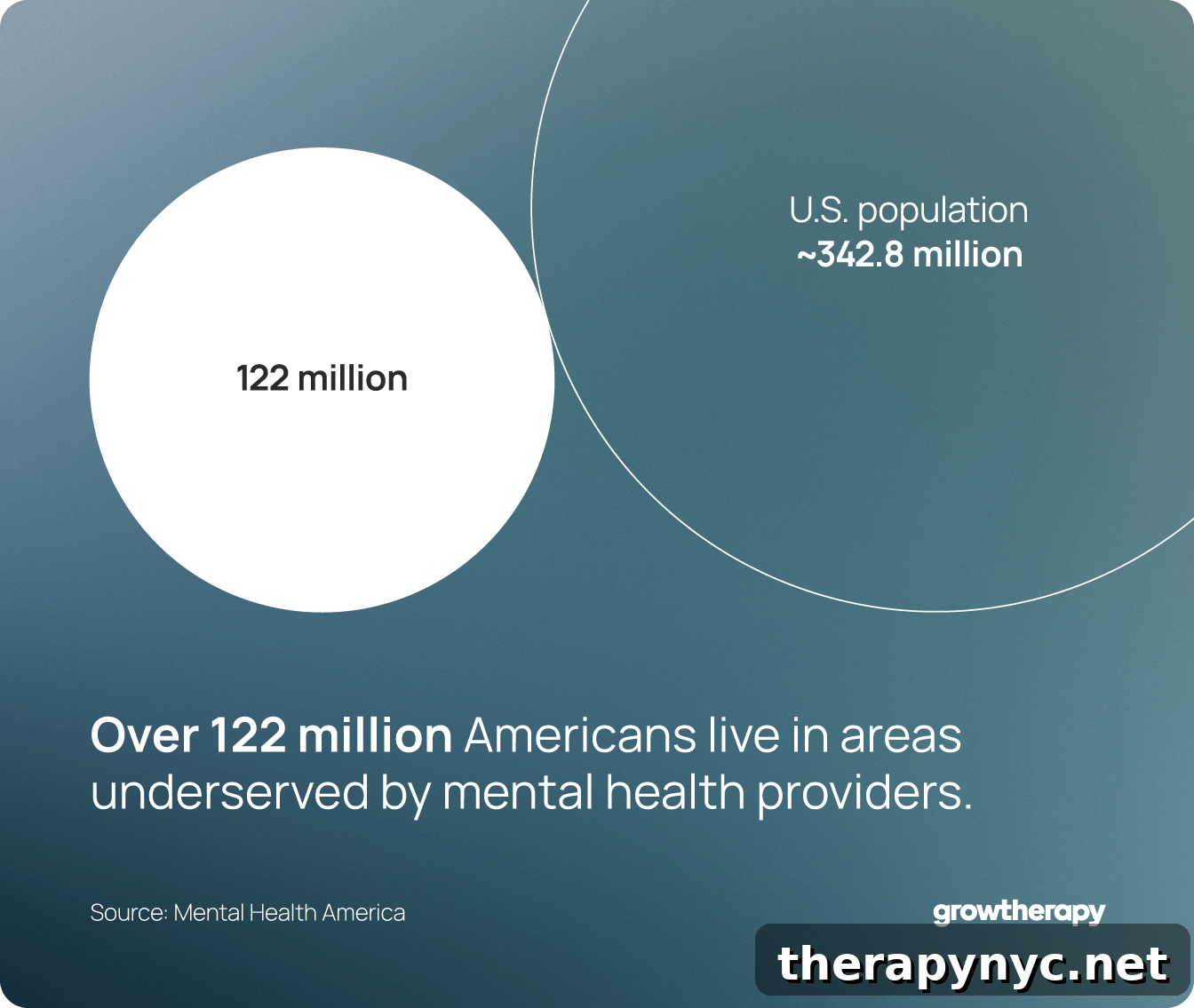
Despite rapid growth in telehealth, many areas of the country remain underserved by mental health professionals. Rural communities, Medicaid recipients, and people facing language or mobility barriers continue to experience limited access. A substantial share of adults with mental illness report unmet needs for treatment, underscoring that awareness is growing faster than provider capacity.
Virtual care is closing some of these gaps by offering new pathways for older adults, multilingual families, and people with disabilities to receive treatment. Expanding broadband access and ensuring insurance parity for telehealth services are essential to sustaining these gains and making care affordable for more people.
7. Care equity: Inclusivity and culturally competent support
Representation and cultural competence matter. Clients often form stronger therapeutic bonds when providers share or understand their cultural background and language, which improves engagement and outcomes. Increasingly, platforms and clinics are offering filters to help clients find clinicians who match by language, race, gender identity, or sexual orientation, empowering people to choose providers they trust.
Culturally informed care also means adapting therapeutic approaches to fit cultural norms and involving bilingual staff when needed. Telehealth can reduce institutional barriers and expand access to culturally responsive care for marginalized communities.
8. Prevention and resilience: The need for investment in early intervention tools
Preventive care and resilience-building programs are gaining attention as cost-effective ways to reduce long-term suffering. Many people with serious mental illness still do not receive care, so early screening, school- and workplace-based prevention programs, and digital self-assessment tools are vital to identifying challenges before they escalate.
Developing more personalized, scalable preventive interventions—matching and sequencing treatments to individual needs—will help move mental health systems from reactive crisis response toward proactive care. Telehealth and digital tools make preventive and early-intervention services more accessible, enabling people to get support sooner.
What these trends mean for providers and patients
These trends point toward a more personalized, preventive, and technology-enabled model of care. Providers who adopt digital tools, flexible scheduling, and culturally responsive practices are better positioned to meet modern expectations. For patients, these changes mean greater choice, improved convenience, and more equitable access to care across life stages and communities.
Grow Therapy: Supporting providers and patients through change
Grow Therapy’s mission emphasizes accessible, affordable, and affirming care. The platform allows clients to search for therapists by identity, specialty, or insurance, offering both virtual and in-person options and handling administrative tasks like billing and referrals so clinicians can prioritize care. With a large, diverse provider network and relatively short wait times, the platform aims to help more people connect with licensed mental health professionals quickly.