Alternatives to BetterHelp for Online Therapy

BetterHelp is a widely used online therapy service, but it isn’t the right choice for everyone. Depending on your insurance, treatment needs, or payment preferences, other platforms can offer better access, different clinical services, or more flexible pricing.
Below is an organized overview of ten BetterHelp alternatives, summarizing each platform’s main features, whether they accept insurance or government plans, whether they provide medication management, and typical payment models and costs. Use this as a guide to compare options and find the platform that best fits your needs.
| Platform | Takes insurance? | Accepts Medicare or Medicaid? | Offers medication management | Payment model |
|---|---|---|---|---|
| Grow Therapy | ✓ (Accepts 135+ plans) | ✓ | ✓ | Pay-per-session |
| Talkspace | ✓ | ◐ (Accepts Medicare) | ◐ (No controlled substances) | Pay-per-session and subscription |
| Alma | ✓ | ✗ | ◐ (No controlled substances) | Pay-per-session |
| Open Path Collective | ✗ | ✗ | ✗ | Membership fee + pay-per-session (sliding scale) |
| Psychology Today | ✓ | ✓ | ✓ | Pay-per-session (provider dependent) |
| Octave | ✓ | ✗ | ✗ | Pay-per-session |
| Brightside | ✓ | ✓ | ◐ (No controlled substances) | Subscription and pay-per-session |
| 7 Cups | ✗ | ✗ | ✗ | Subscription |
| TherapyDen | ✓ | ✗ | ✓ | Provider dependent |
| Online-Therapy.com | ✗ | ✗ | ✗ | Subscription |
1. Grow Therapy
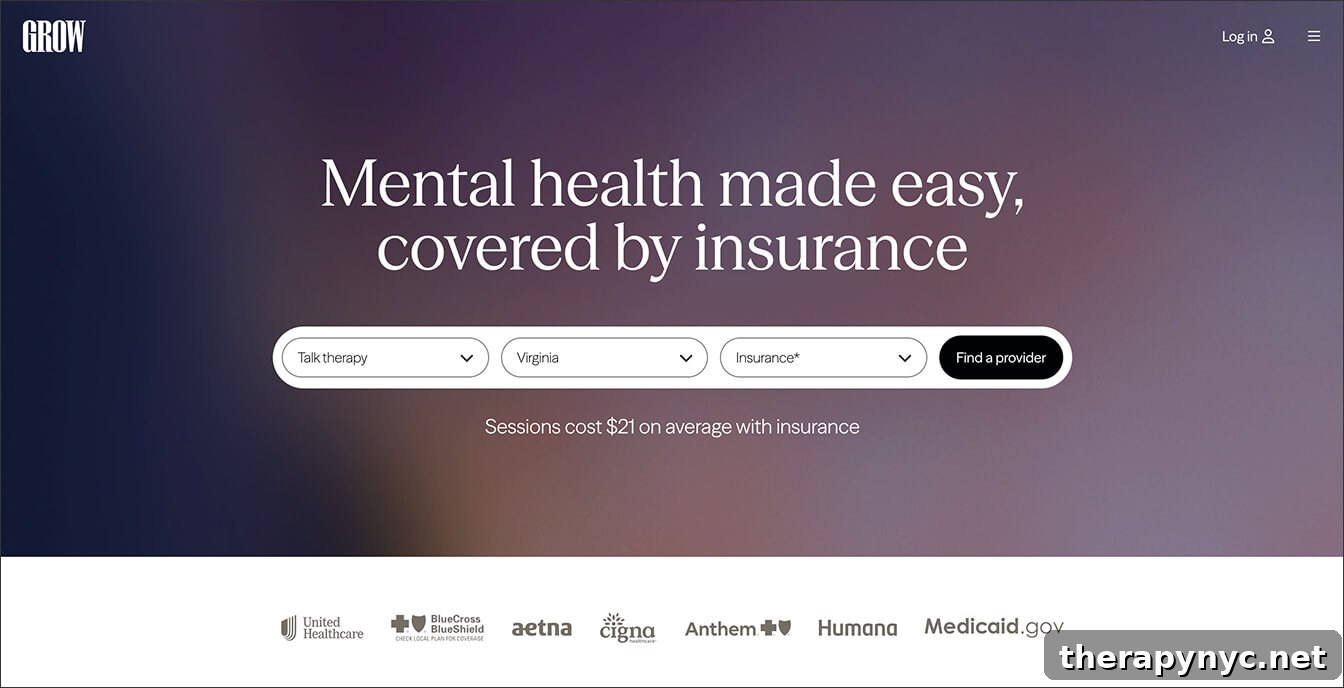
Grow Therapy is a directory-style telehealth platform that connects individuals, couples, and families with licensed therapists and psychiatric providers. You can search a large clinician directory and choose providers by specialty, language, identity, insurance, or availability, rather than relying solely on an automated match. The platform operates on a per-session payment model with no monthly subscription required.
Grow Therapy emphasizes insurance acceptance—more than 135 payers are supported in many areas, and in select states Medicare and Medicaid are also accepted. Evening and weekend appointments are commonly available, and medication management is offered through licensed psychiatric providers when needed.
Grow Therapy vs. BetterHelp
The key distinction is insurance and payment: Grow Therapy works with many insurance plans and bills per session, while BetterHelp typically uses a subscription model and has more limited insurance participation. Grow Therapy also supports medication management and in-person care in some markets, services BetterHelp does not provide.
Costs and insurance
- With insurance: Many clients pay about $21 per session on average; actual copays vary and some plans reduce costs to $0.
- Without insurance: Typical self-pay rates range from $75 to $250+ per session depending on provider credentials and location.
Features
- Large directory with detailed filters (specialty, language, insurance, and identity)
- Accepts a wide array of insurance plans, including Medicare and Medicaid in select states
- Pay-per-session pricing with transparent cost estimates
- Medication management available
- Evening and weekend scheduling
- Secure telehealth platform and tools for progress tracking
Who it’s a good fit for
Grow Therapy suits people who want to use insurance, prefer choosing their own clinician from a directory, or need integrated therapy and medication care without committing to a subscription.
2. Talkspace
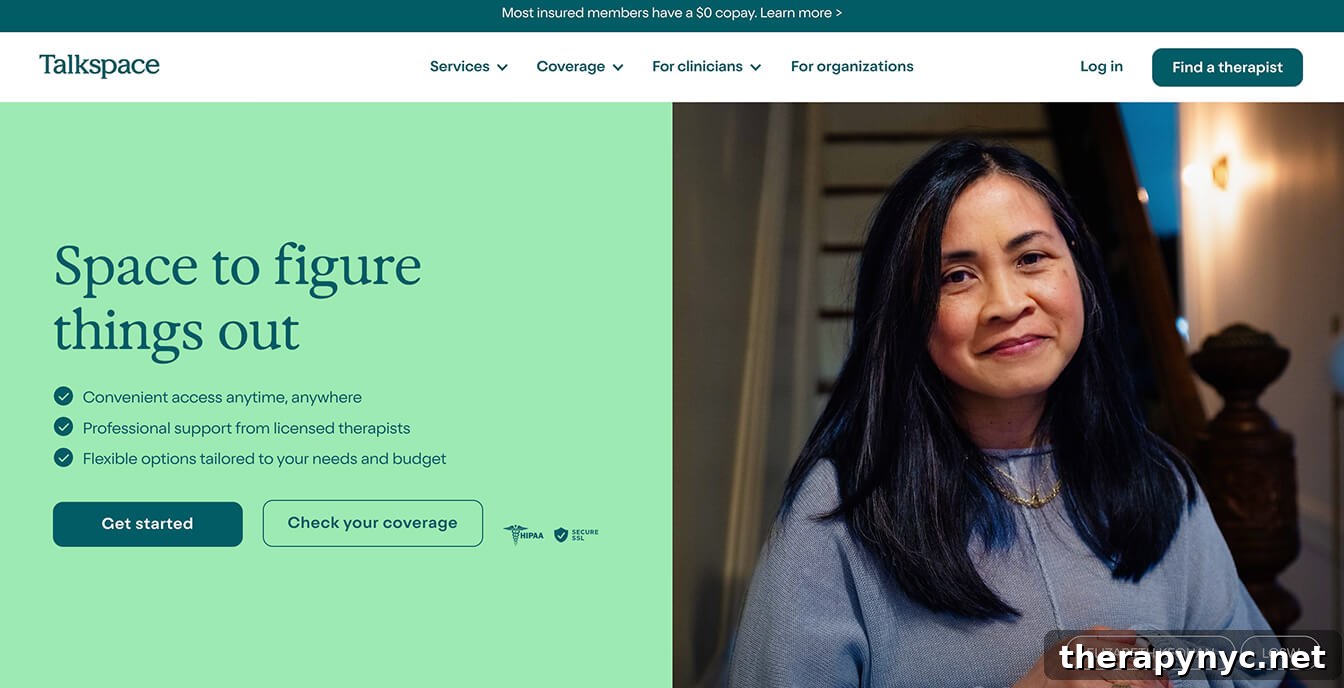
Talkspace offers text, audio, and video therapy and psychiatric services. It mixes subscription and pay-per-session billing depending on the service and insurance coverage. Users are typically matched to a therapist after an intake assessment, and Talkspace provides messaging with therapist responses within set windows each week.
Talkspace vs. BetterHelp
Both platforms have subscription options, but Talkspace tends to accept a broader set of commercial plans and provides access to psychiatric care. Talkspace may be a better fit if you want both therapy and psychiatry and need insurance coverage.
Costs and insurance
- Accepts many major insurance plans and some EAPs.
- With insurance: Copays vary; an average reported copay is around $15 per session depending on the plan.
- Without insurance: Subscription pricing often ranges from about $69–$109 per week, depending on the level of service.
3. Alma
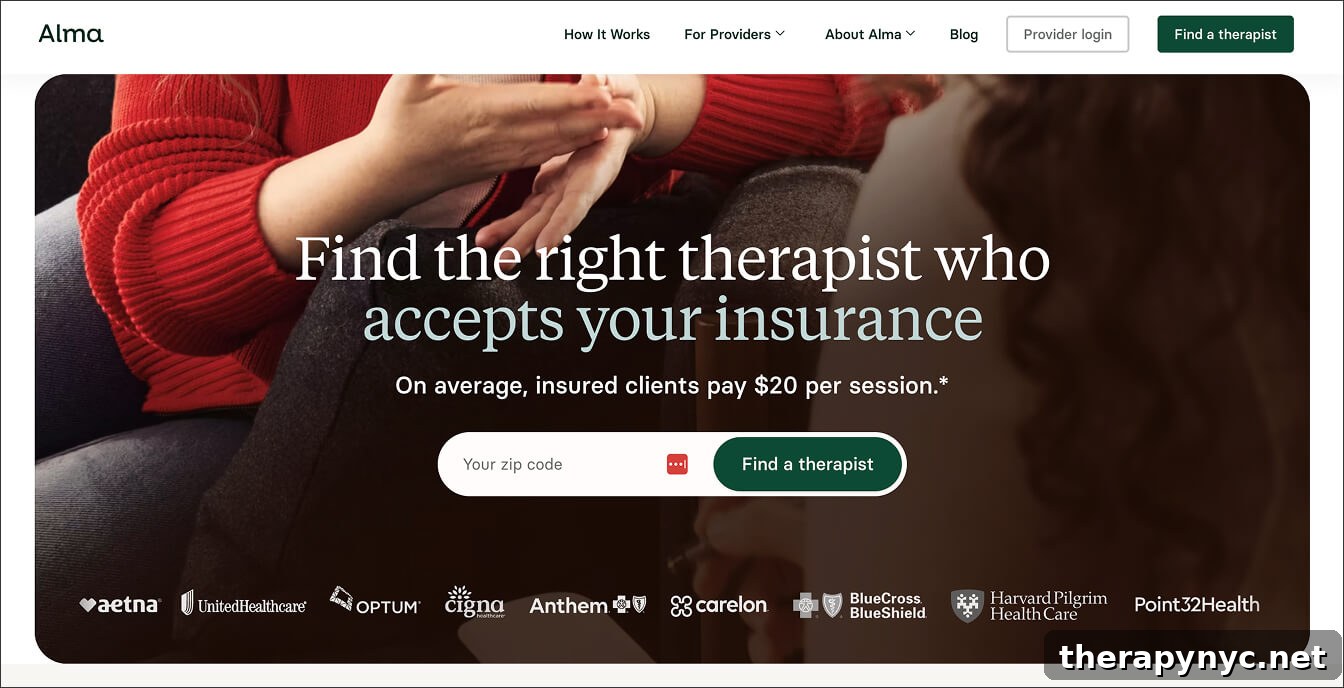
Alma is a network of independent clinicians with centralized support for insurance billing and scheduling. It offers both virtual and in-person sessions, free initial consultations in many cases, and tools for pricing transparency. Insurance participation varies by clinician and region.
Alma vs. BetterHelp
Alma functions more like a searchable directory and booking service for independent providers who set their own rates. BetterHelp is a managed matching and subscription platform, while Alma focuses on clinician choice and direct bookings.
Costs and insurance
- Insurance acceptance varies by provider.
- With insurance: Cost depends on the clinician and plan.
- Without insurance: Typical rates range from $130 to $380 per session depending on clinician credentials and location.
4. Open Path Collective
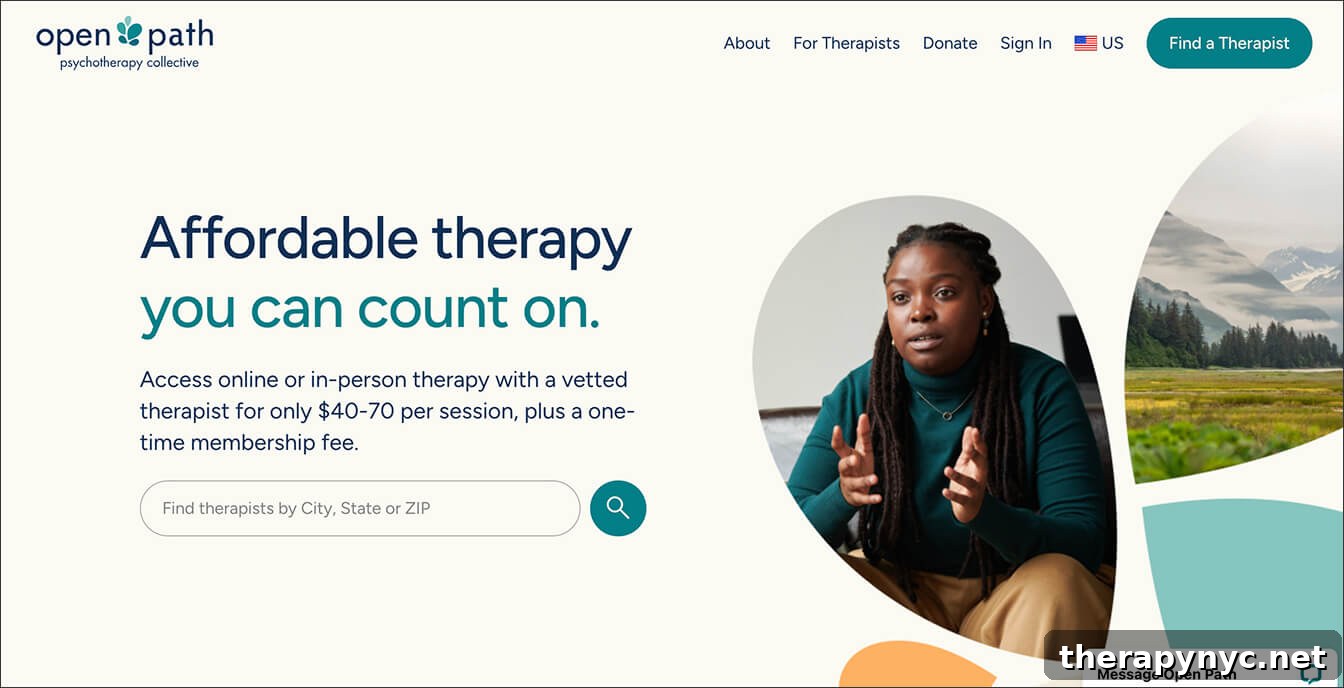
Open Path Collective is a nonprofit directory designed to increase access to affordable therapy. For a one-time membership fee, members can connect with therapists offering sliding-scale fees, usually far below standard rates. The network also includes student intern sessions and lifetime access to self-help resources.
Open Path Collective vs. BetterHelp
Open Path is a reduced-cost directory linking clients with clinicians who choose to offer lower rates. BetterHelp is a private subscription service with in-house matching and a different pricing model.
Costs and insurance
- One-time membership fee (commonly low, e.g., around $65).
- Without insurance: Providers typically charge $40–$70 for individual counseling and $40–$80 for couples or family sessions, depending on the clinician.
5. Psychology Today
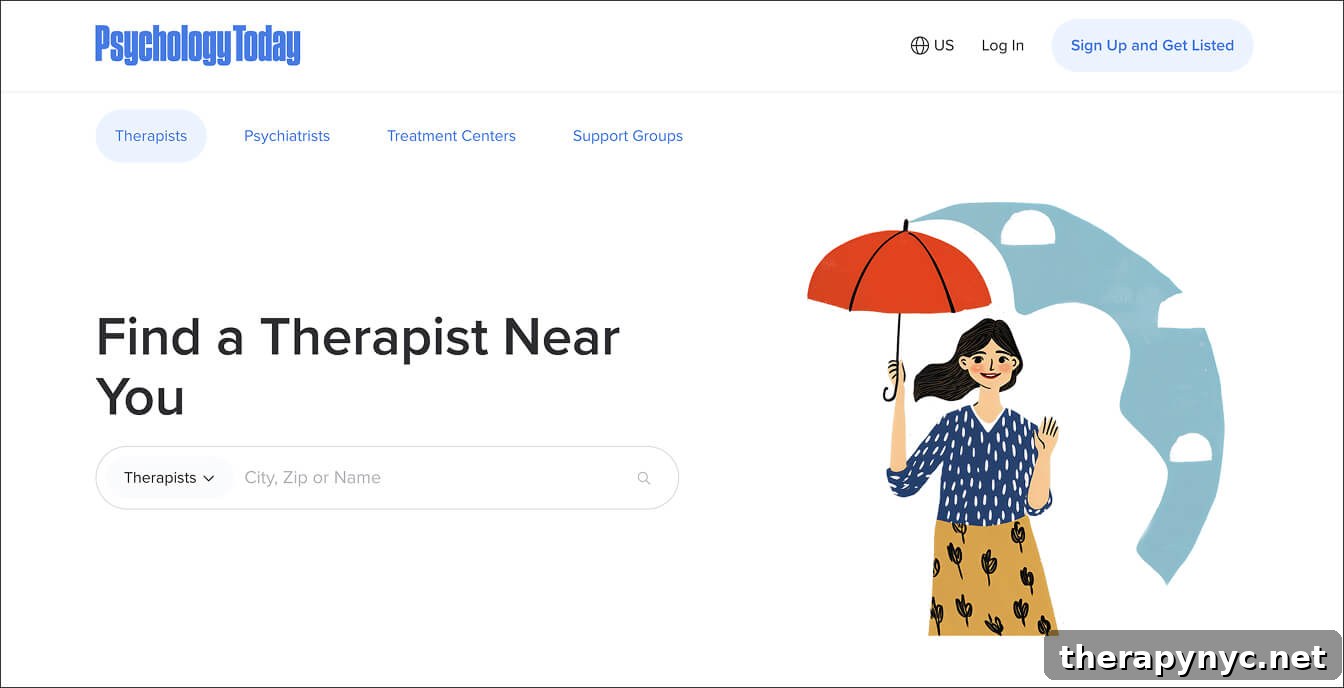
Psychology Today provides a nationwide therapist directory where users can search by zip code, specialty, insurance, and therapy type. Clients contact providers directly to arrange care, making it a flexible way to see provider profiles, check insurance acceptance, and compare rates.
Psychology Today vs. BetterHelp
Psychology Today is strictly a directory and does not manage care or billing. BetterHelp manages the entire care experience for subscribers but may limit insurance options and provider choice.
Costs and insurance
- Costs vary by provider; single-session fees commonly fall between $100 and $200 depending on location and clinician experience.
6. Octave
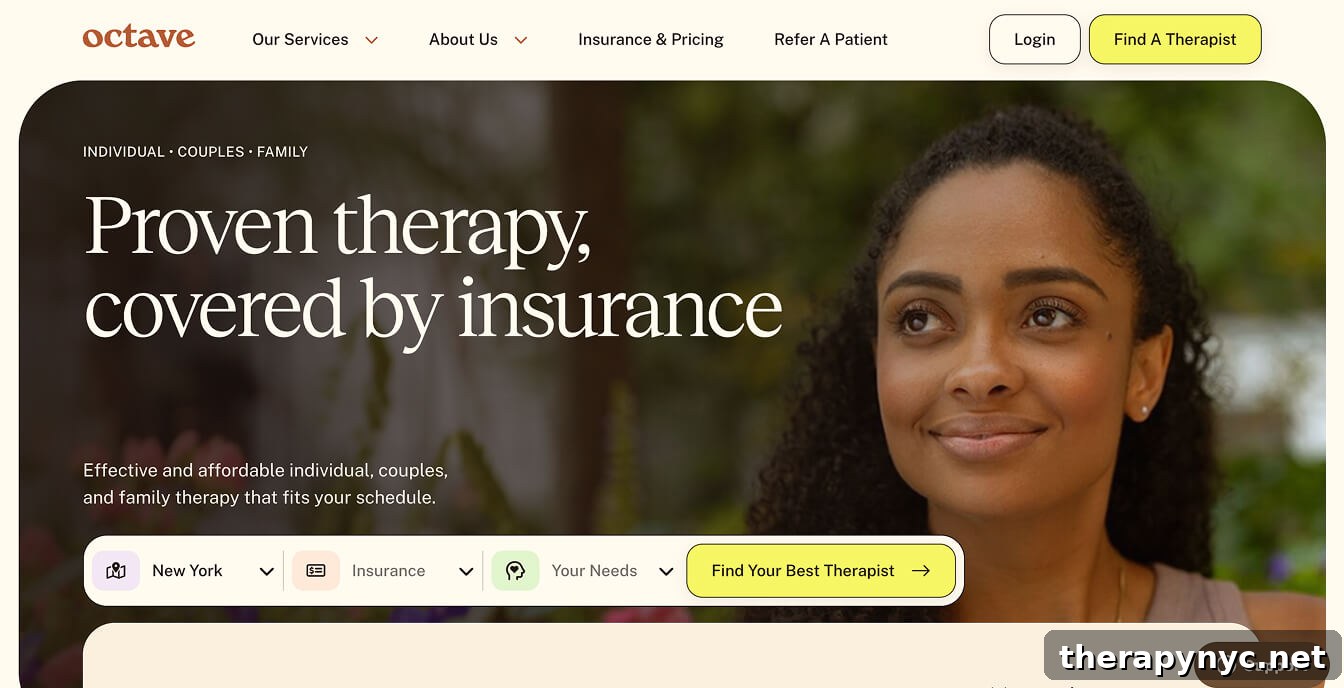
Octave offers individual, couples, and family therapy through a curated network and a hands-on Care Navigation Team that helps match clients to providers. It operates in selected states and supports therapy in many languages. Octave typically bills per session and often accepts insurance.
Octave vs. BetterHelp
Octave emphasizes a curated, evidence-based matching process and insurance billing, while BetterHelp emphasizes subscription-based, direct-to-consumer care available nationwide.
Costs and insurance
- With insurance: Many clients pay modest copays (often under $45).
- Without insurance: Individual sessions commonly range from $170 to $250; couples and family sessions may be slightly more.
7. Brightside
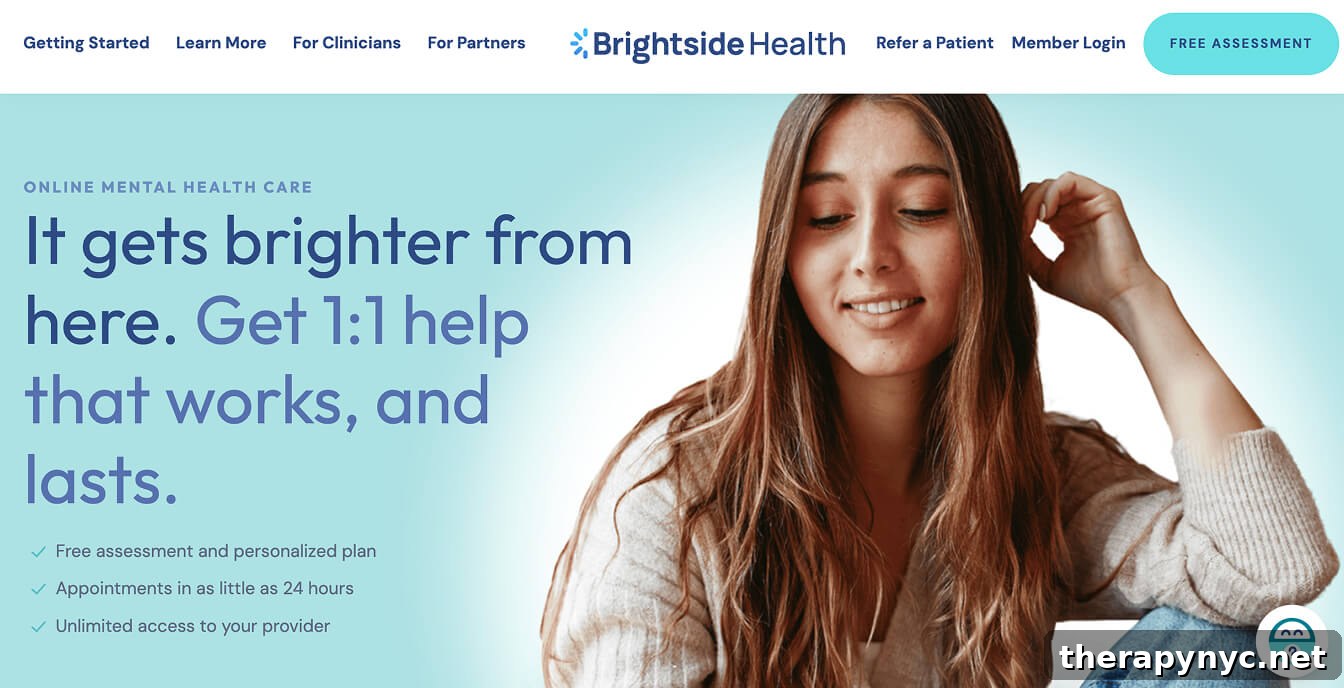
Brightside Health provides therapy and psychiatric care nationwide, including psychiatry-first programs for more severe conditions and intensive outpatient options in some areas. It uses subscription pricing for many self-pay services and accepts a range of insurance plans in certain states.
Brightside vs. BetterHelp
Both use subscription models, but Brightside commonly includes medication management and broader insurance participation for higher-intensity care; BetterHelp focuses on flexible communication formats for therapy.
Costs and insurance
- Insurance costs depend on individual plans.
- Without insurance: Psychiatry-only subscriptions can start near $95/month; therapy and combined plans may be higher (e.g., several hundred dollars per month depending on plan level).
8. 7 Cups
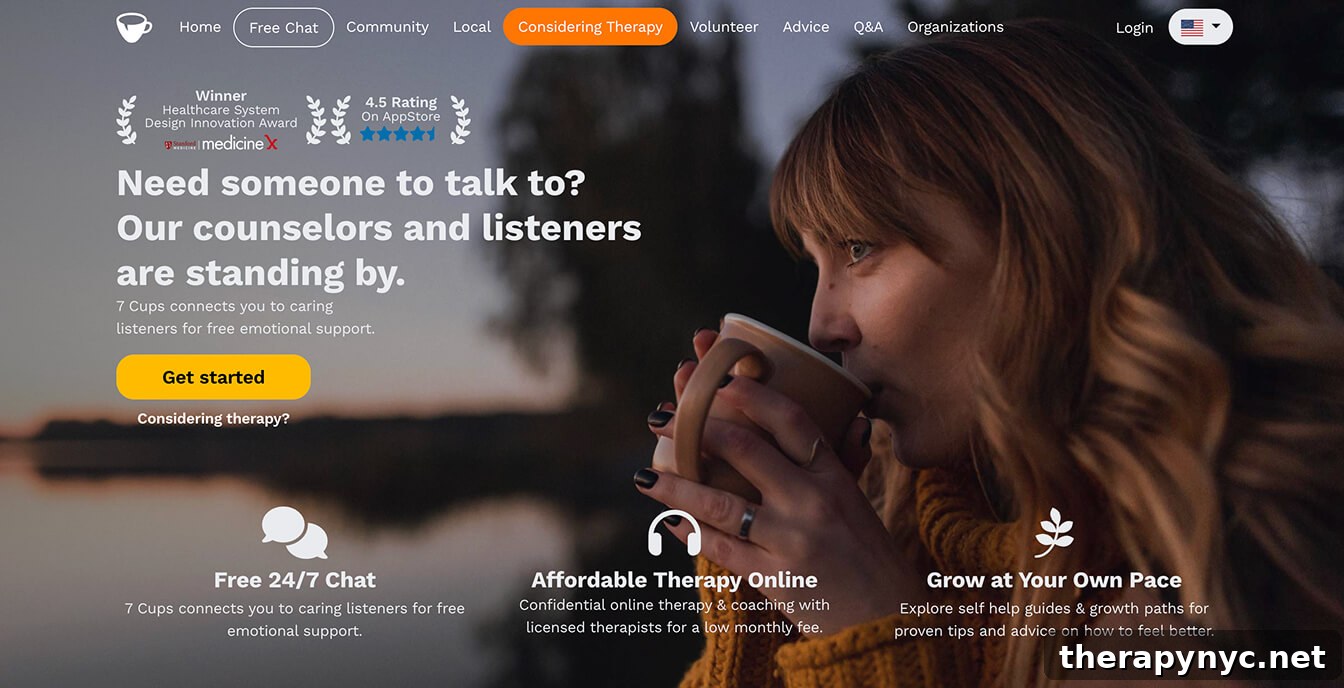
7 Cups combines free peer support with paid access to licensed therapists. The platform offers 24/7 volunteer listeners, group chats, and tiered paid plans that include messaging, live chat, and optional therapist sessions. It’s a low-cost option for those seeking emotional support or supplemental care.
7 Cups vs. BetterHelp
7 Cups is generally more affordable and provides a free peer-support layer; BetterHelp provides more structured therapy with licensed clinicians for subscribers.
Costs and insurance
- Does not accept insurance.
- Without insurance: Free peer support is available; paid therapist access starts at modest monthly rates for platform features and is higher for private therapy through messaging or video plans.
9. TherapyDen
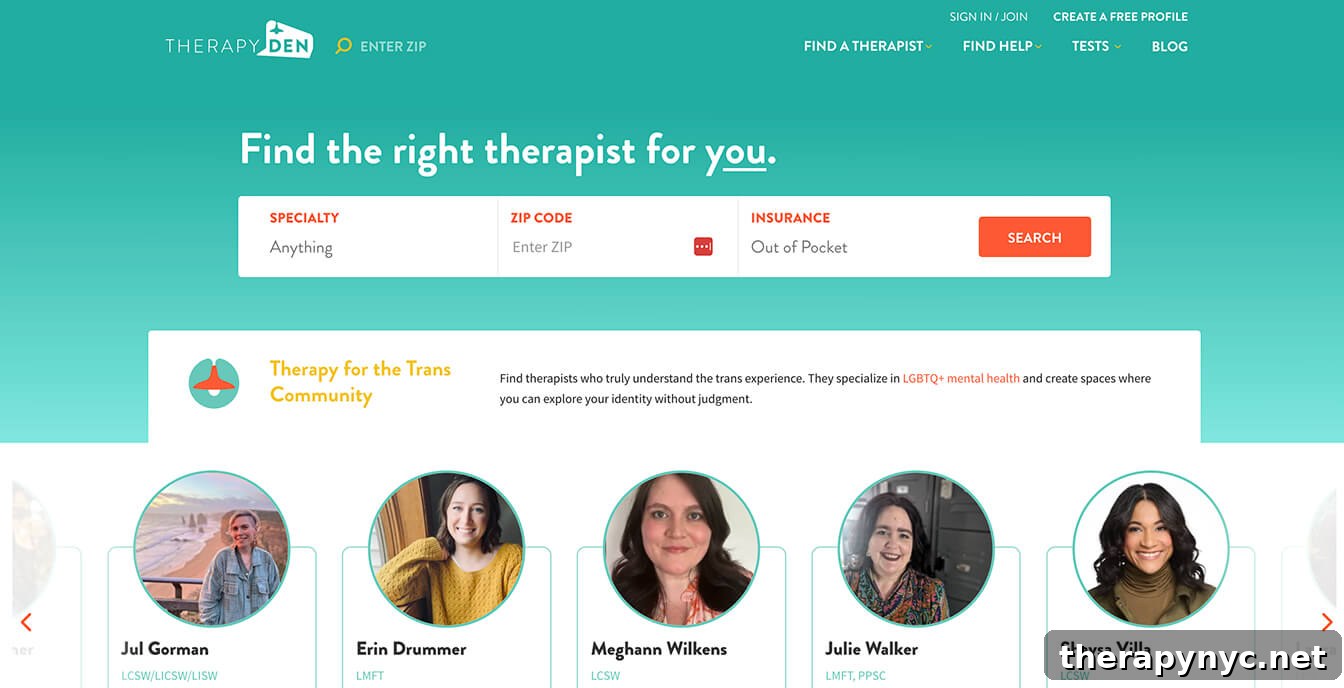
TherapyDen is a free search directory designed to help clients find affirming and culturally sensitive therapists. Detailed filters let you search by values, modality, identity, and specialties to identify clinicians who align with personal needs.
TherapyDen vs. BetterHelp
TherapyDen is a directory offering broad provider choice and diversity; BetterHelp is a managed subscription service that handles matching, scheduling, and billing.
Costs and insurance
- Insurance acceptance and rates vary by individual provider.
- Without insurance: Rates vary widely; typical ranges are approximately $65 to $250 per session depending on clinician and location.
10. Online-Therapy.com
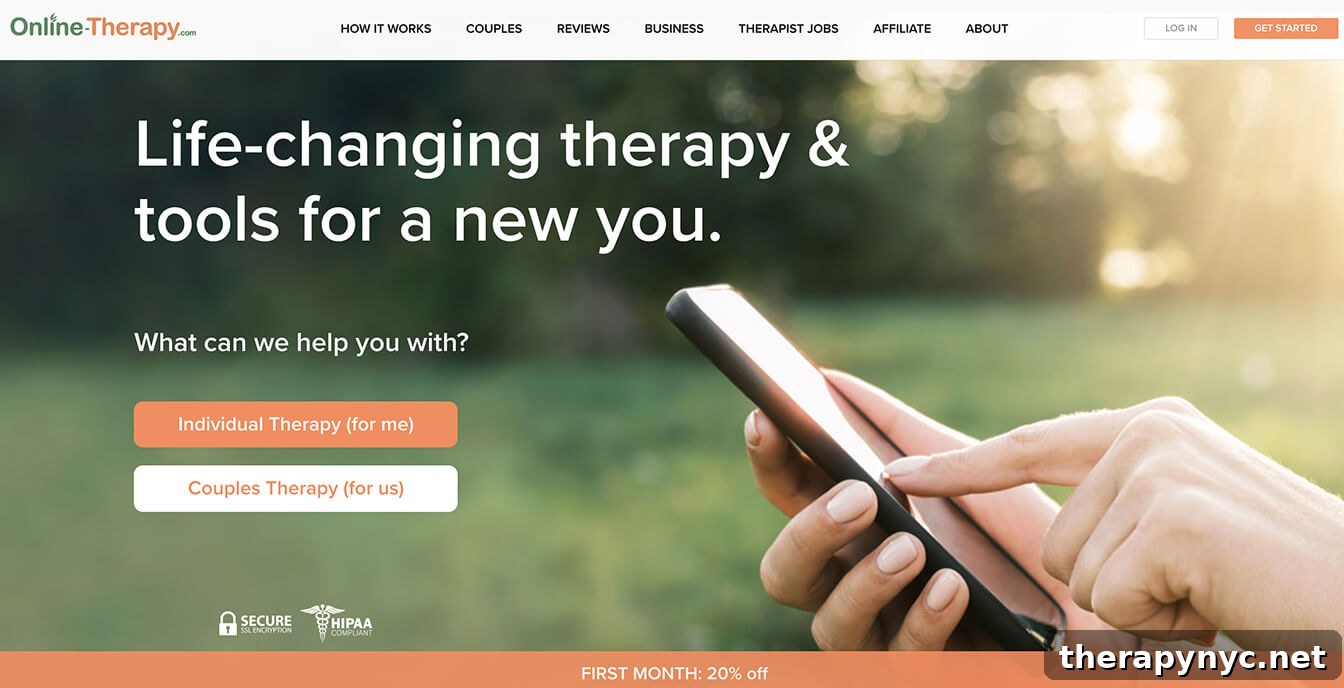
Online-Therapy.com centers on a structured cognitive behavioral therapy (CBT) program with worksheets, journaling, and activity plans supported by a therapist. The platform is subscription-based and includes between-session tools and progress tracking designed for people who prefer a structured, skills-focused approach.
Online-Therapy.com vs. BetterHelp
Both platforms use subscriptions, but Online-Therapy.com emphasizes a systematic CBT curriculum and a suite of between-session tools, while BetterHelp is more open-ended in approach and communication options.
Costs and insurance
- Does not widely accept insurance; detailed superbills are often available for reimbursement requests.
- Without insurance: Subscription plans start at roughly $48/week, depending on features selected.
Why people look for BetterHelp alternatives
People choose alternatives to BetterHelp for several common reasons:
- Payment model: Some prefer paying per session rather than a monthly subscription that continues regardless of session frequency.
- Insurance access: If you want in-network benefits or to use your commercial, Medicare, or Medicaid coverage, some platforms offer broader insurance participation.
- Provider selection: Directory-based services let you browse and choose a clinician directly instead of relying on algorithmic matches.
- Specialized care: For medication management, psychiatric care, ADHD treatment, or intensive outpatient services, platforms that integrate psychiatry and prescribing can be essential.
How to choose the right therapy platform for you
Selecting a therapy platform depends on your priorities. Consider these factors when comparing platforms:
- Cost: If you have insurance, verify which platforms accept your plan or provide in-network care. Use cost-estimate tools when available.
- Choice: If it’s important to pick a therapist directly, favor directory-based platforms over algorithm-only matching services.
- Availability: Check whether the platform offers evening/weekend appointments or urgent access if needed.
- Specialization: Filter for the types of clinical expertise you need—ADHD, trauma, LGBTQ+-affirming care, or medication management.
- Format: Decide whether you prefer messaging, phone, video, in-person sessions, or a mix before committing.
Conclusion — Finding the best BetterHelp alternative
Exploring alternatives to BetterHelp is a practical step when you need insurance coverage, medication management, or more control over provider selection. Platforms that support insurance billing often make therapy more affordable for people with coverage, while directories and curated networks offer greater choice and clinician diversity.
If your priorities include insurance-based access, transparent per-session pricing, and integrated medication services without a subscription, then directory and pay-per-session platforms are worth considering. Review each service’s insurance participation, specialties, scheduling options, and pricing to find the best match for your care needs.