Gandhi’s 10 Principles to Transform the World
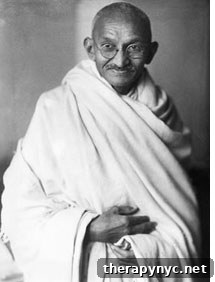
“You must not lose faith in humanity. Humanity is an ocean; if a few drops of the ocean are dirty, the ocean does not become dirty.”
“The difference between what we do and what we are capable of doing would suffice to solve most of the world’s problems.”
“If I had no sense of humor, I would long ago have committed suicide.”
Mahatma Gandhi needs little introduction. He led India to independence through nonviolence and moral courage, and his teachings remain a powerful guide for personal growth, leadership, and social change.
Below are ten practical lessons inspired by Gandhi that can help you change your life and contribute to a better world. Each point focuses on attitude and action—how inner transformation translates into meaningful results.
1. Change yourself.
“You must be the change you want to see in the world.”
Real change begins within. When you shift your thoughts and attitudes, your feelings and behaviors follow. That inner shift alters how you perceive situations and allows you to act differently—more constructively and more courageously. Pursuing external change without inner work often leaves old patterns intact and creates new conflicts driven by ego. Begin with small, consistent adjustments to your thinking and habits, and you’ll notice the world around you responding to that inner transformation.
2. You are in control.
“Nobody can hurt me without my permission.”
Your reactions, emotions, and responses are choices. While reflexive responses occur, you can cultivate the ability to pause and choose a constructive reaction instead of giving away your power to external events. Strengthening this skill reduces stress and increases your effectiveness in relationships and leadership.
3. Forgive and let it go.
“The weak can never forgive. Forgiveness is the attribute of the strong.”
“An eye for an eye only ends up making the whole world blind.”
Holding grudges drains energy and blocks progress. Forgiveness isn’t condoning harm; it’s freeing yourself from the past so you can act in the present. When you release resentment, you reclaim attention and drive to pursue constructive goals and healthier relationships.
4. Without action you aren’t going anywhere.
“An ounce of practice is worth more than tons of preaching.”
Ideas and intentions matter, but results come from action. Reading, planning, or debating can feel productive, yet only practice turns knowledge into skill and insight. Start small, iterate, and learn by doing—action fuels growth and clarifies what works.
5. Take care of this moment.
“I do not want to foresee the future. I am concerned with taking care of the present. God has given me no control over the moment following.”
Focus on the present to reduce fear and indecision. Worry about future outcomes often paralyzes action; dwelling on the past wastes the energy needed now. Staying present makes it easier to begin, to persevere through difficulty, and to perform at your best. Practicing presence is a habit you strengthen over time.
6. Everyone is human.
“I claim to be a simple individual liable to err like any other fellow mortal. I own, however, that I have humility enough to confess my errors and to retrace my steps.”
Great people make mistakes; so do you. Treat others—and yourself—with realistic expectations and compassion. Avoid idolizing leaders or tearing yourself down for errors. Instead, learn from mistakes, own them, and move forward with clearer understanding and renewed effort.
7. Persist.
“First they ignore you, then they laugh at you, then they fight you, then you win.”
Persistence is the engine of major change. Resistance and setbacks are part of any worthwhile pursuit; continuing despite them is how progress happens. Find meaningful work that energizes you, keep a sense of humor, and accept that deep results usually require time and sustained effort.
8. See the good in people and help them.
“I look only to the good qualities of men. Not being faultless myself, I won’t presume to probe into the faults of others.”
Choose to notice and encourage others’ strengths. Helping people develop benefits both them and the wider community. Acts of service create a ripple effect: generosity tends to inspire more generosity. Strengthening social skills and empathic leadership multiplies positive outcomes across teams and communities.
9. Be congruent, be authentic, be your true self.
“Happiness is when what you think, what you say, and what you do are in harmony.”
Authenticity builds trust and influence. When your words, tone, and actions align, communication becomes clear and powerful. Living congruently increases self-respect and persuades others through credibility rather than coercion. If you act in ways that conflict with your stated values, you undermine both your confidence and your impact.
10. Continue to grow and evolve.
“Constant development is the law of life, and a man who always tries to maintain his dogmas in order to appear consistent drives himself into a false position.”
Lifelong learning and honest reassessment are essential. Growth sometimes looks inconsistent, but clinging to fixed views for the sake of consistency locks you into errors. Embrace change, refine your thinking, and let new understanding guide your actions.
These ten principles—personal responsibility, presence, forgiveness, action, persistence, service, authenticity, humility, and continual growth—capture the practical wisdom that made Gandhi’s life influential. Apply them steadily and you’ll strengthen your character, improve your relationships, and contribute to lasting, nonviolent change in your community and beyond.
Want more daily motivation? Keep practicing gratitude, seek small ways to serve others each day, and return often to these principles to sustain focus, joy, and steady progress.