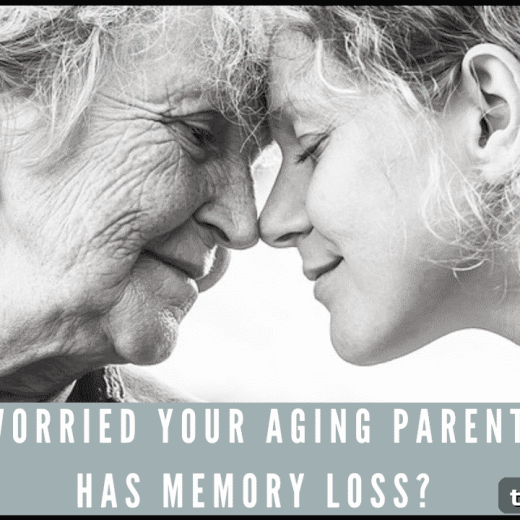
How to Help Older Adults in Denial About Cognitive Decline

Diving into the complex world of cognitive impairment in older adults can feel overwhelming, especially when denial or lack of awareness obscures the problem. As healthcare providers, we often find ourselves trying to guide families and clients through uncertain waters. With the population aging, more people are experiencing cognitive changes—most commonly memory loss—and many do not recognize these changes themselves. How do we reach someone who does not see the tide turning?
Consider Margaret, an energetic woman in her 80s who loves gardening and telling stories. Over time, her stories began to repeat, and she misplaced tools she once used every day. Family members urged a medical review, but Margaret dismissed their concerns as normal aging: “If I had a penny for every time I forgot, I’d forget where I put them!” she joked. To her loved ones and to clinicians, however, this was worrying. Margaret’s lack of awareness about her memory changes posed a real barrier to getting help. This article offers practical guidance for recognizing, assessing, and responding to cognitive changes in older adults with empathy and clarity.
Prevalence of Cognitive Impairment and Memory Loss in Older Adults
As the number of older adults increases, so does the prevalence of cognitive impairment, memory loss, and dementia. Estimates indicate that millions of people aged 65 and older live with Alzheimer’s dementia, the most common form of dementia. But not all cognitive change is dementia: milder forms, like Mild Cognitive Impairment (MCI), affect a significant proportion of older adults and deserve attention.
Even subtle cognitive changes—slower processing, occasional forgetfulness—can affect safety, independence, and emotional wellbeing. Left untreated, these changes may increase risks for accidents, social isolation, anxiety, and depression. Our role is to identify these signs early, communicate them compassionately, and connect clients and families to appropriate supports.
Cognitive Impairment versus Memory Loss
Cognitive impairment is an umbrella term for declines in thinking abilities beyond what is typical for normal aging. It includes disorders such as dementia and Alzheimer’s disease as well as milder conditions like Mild Cognitive Impairment (MCI). MCI involves noticeable cognitive changes that are apparent to the individual and their close contacts but may not yet interfere substantially with daily living.
Memory loss is one aspect of cognitive impairment—difficulty recalling events, conversations, or personal information. Other cognitive problems can include challenges with decision-making, language, attention, and problem-solving. Distinguishing between these patterns helps clinicians tailor assessment and care.
Common Causes of Cognitive Impairment and Memory Loss in Older Adulthood
Identifying the underlying cause of memory loss is essential. Causes vary and have different implications for treatment and prognosis. Common contributors include:
- Neurodegenerative diseases: Alzheimer’s disease and other dementias cause progressive brain changes that impair cognition over time.
- Vascular disorders: Strokes and vascular dementia affect blood flow to the brain and can cause cognitive declines.
- Depression: In older adults, depression can mimic dementia (so-called pseudodementia) and may improve with treatment.
- Medication effects: Some drugs, especially in combination or at high doses, impair cognition.
- Nutritional deficiencies: Deficiencies such as low vitamin B12 can cause reversible cognitive symptoms.
- Chronic medical conditions: Diabetes, hypertension, heart disease, and kidney disease can impact brain health and cognition.
Understanding these causes enables personalized treatment: some factors are reversible, and others can be managed to slow progression and improve quality of life.
Signs of Cognitive Impairment
Common signs to watch for include:
- Frequent forgetting of recent events or conversations
- Difficulty completing familiar tasks, such as preparing a meal or using appliances
- Confusion about time or place
- Problems with decision-making or problem-solving
- Struggling to find words during conversation
Symptoms may appear suddenly or develop gradually. Regular observation and documentation of changes help guide further assessment and intervention.
Impact on Daily Functioning
Cognitive impairment affects everyday activities—cooking, shopping, medication management, driving, finances, and personal care. Emotionally, it can cause frustration, loss of confidence, anxiety, and depression, and it may lead to social withdrawal. Early recognition, practical supports, and psychoeducation can preserve independence and dignity for as long as possible.
Why Do People with Dementia Appear Unaware of Their Memory Loss?
What looks like denial is often anosognosia—a neurological condition in which a person lacks awareness of their impairment. Anosognosia is common in dementia and Alzheimer’s disease and is rooted in brain changes, not willful refusal to accept the problem. Recognizing anosognosia is essential because it affects safety, treatment engagement, and caregiver stress.
“To unravel the thread of anosognosia, we must understand that it’s more than denial—it’s a lack of awareness rooted in the brain itself.”
Anosognosia versus Denial
It is important to distinguish anosognosia from psychological denial. With anosognosia, the person genuinely cannot perceive their deficits. With denial, the person notices changes but rejects them as threatening or shameful. These differences matter: anosognosia will not reliably respond to logical persuasion, while denial may be addressed through supportive counseling and motivational techniques.
How to Recommend Further Assessment
When you suspect cognitive impairment, raise the issue gently and non-alarmingly. Use empathic language and practical reasoning: for example, “I’ve noticed some changes in memory during our sessions. A routine memory check could help us make sure you’re getting the right support.” If anosognosia or denial limits insight, involve trusted family members or caregivers to gather collateral information and encourage assessment.
“Effective communication is key when discussing memory loss—it requires sensitivity, respect, and honesty.”
Communication Techniques with Cognitively Impaired Older Clients
Communicate clearly, calmly, and respectfully. Use simple language, short sentences, and allow time for responses. Nonverbal cues—calm facial expressions, appropriate eye contact, and reassuring touch when suitable—support understanding. Break instructions into manageable steps and use visual aids where helpful.
Motivational Interviewing to Address Resistance
Motivational interviewing can be effective with clients who resist assessment or change. This client-centered approach emphasizes empathy, explores discrepancies between goals (such as staying independent) and current behavior, and supports self-efficacy. For example, frame conversations around the client’s priorities: “You’ve said staying independent is important. Let’s explore ways to protect that independence.”
Involving Family Members and Caregivers
Family and caregivers are essential partners. Involve them in care planning, share observations, and hold regular updates or care meetings. Educate families about cognitive impairment, practical strategies, and common emotional reactions such as fear, frustration, and denial. Validate their feelings, encourage self-care, and help them access community resources and support groups.
The Value of Professional Consultation in Geriatric Care
Geriatric consultation adds specialized insight into assessment, diagnosis, and care planning. Consulting colleagues with geriatric expertise improves diagnostic accuracy, refines treatment plans, and helps manage complex ethical or medical challenges. Consultation also protects clinicians from burnout by sharing responsibility, offering fresh perspectives, and fostering professional support.
“Consultation with specialized colleagues improves care and sustains professional wellbeing.”
Closing Thoughts for Healthcare Providers
Working with older adults experiencing cognitive change is demanding but deeply meaningful. By combining careful assessment, compassionate communication, family involvement, and appropriate consultation, we can support clients to live with dignity and safety. Margaret’s story reminds us that patience, persistence, and a person-centered approach can make a real difference.
“As healthcare providers, we do more than manage symptoms—we help clients navigate their journey with dignity, respect, and autonomy.”
Resources
- Short clinician trainings and workbooks can offer practical strategies for addressing memory loss in clinical practice.
- Readings on aging in place, early detection of dementia, and distinctions between MCI, dementia, and Alzheimer’s disease can be useful for ongoing professional development.