Why Mental Health Matters During Black History Month
This article discusses trauma and suicide. If you are in immediate danger or having thoughts of harming yourself, call 911, go to your nearest emergency room, or call/text/chat the 988 Suicide & Crisis Lifeline for 24/7 confidential support.
Black History Month began as a commemoration of emancipation and expanded into a month-long observance thanks to Dr. Carter G. Woodson and the Association for the Study of African American Life and History (ASALH). Dr. Woodson urged students at Hampton University and others to reclaim and celebrate a history that inspires future achievements. Beyond honoring accomplishments and ancestors, Black History Month is a vital moment to recognize how history shapes present-day mental health among Black Americans and to discuss ways to improve care for individuals and communities.
Key takeaways
- Historical context matters: systemic racism, intergenerational trauma, and structural barriers shape Black mental health today.
- Daily stressors such as code-switching, microaggressions, and racial trauma increase the burden of mental illness in Black communities.
- Family, faith, and community activism are powerful sources of resilience and healing.
- Culturally responsive treatments—like narrative therapy, EMDR, and tailored psychotherapy—help address the unique needs of Black patients.
How history helps us understand the present
To understand mental health among Black Americans, we must examine the legacy of slavery, segregation, and ongoing systemic inequality. As Dr. Erica Wilkins notes, the system of slavery and persistent structural inequities have left enduring effects on education, housing, health care, and criminal justice. These disparities create chronic stress, limit access to quality care, and foster mistrust of institutions—factors that all influence mental well-being.
At the same time, many Black communities demonstrate remarkable resilience through strong family bonds, spiritual life, and collective activism. Recognizing both the harms and the strengths shaped by history is essential to delivering culturally competent mental health services that honor lived experience.
Intergenerational trauma
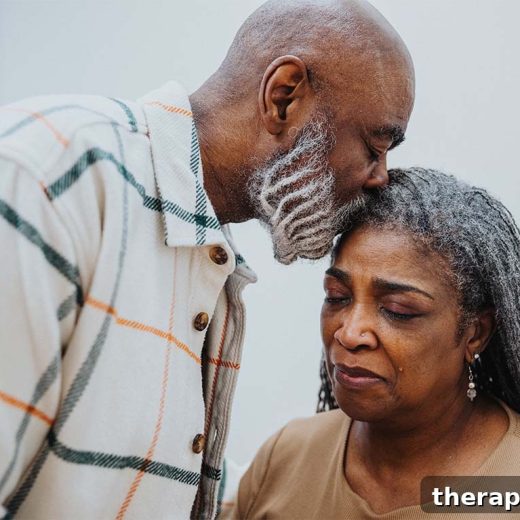
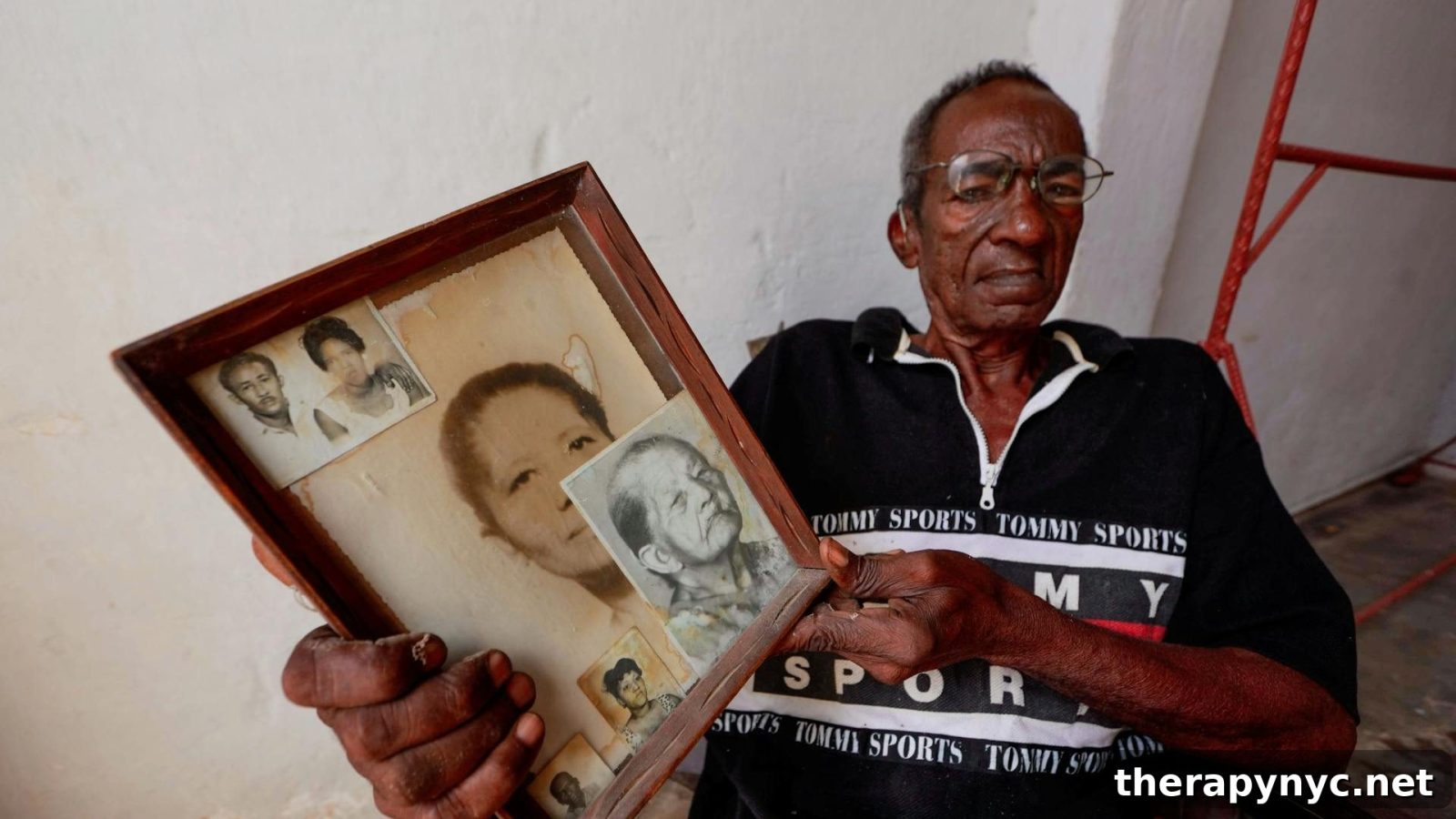
Intergenerational or historical trauma refers to how the effects of trauma experienced by one generation can influence the emotional and psychological health of following generations. This transmission involves a complex mix of social, environmental, and biological factors. Unresolved trauma—whether emotional, physical, or sexual—can manifest across generations and affect how mental illness shows up and is treated.
Research indicates that Black adults with depression often report more severe symptoms, longer illness courses, and greater disability than their white counterparts. Structural racism and its traumatic consequences can alter illness presentation, access to care, and recovery pathways for Black Americans.
By owning my truth as a Black therapist, I aim to dismantle stigmas and remind others that seeking help is an act of strength, not weakness.
– Tahara DeBarrows, LMFT
The role of historical exclusion
Discriminatory policies, segregation, and exclusion have long limited economic, educational, and health opportunities for Black Americans. These structural barriers contribute directly to disparities in mental health. Recent efforts to undermine accurate accounts of American history can deepen feelings of invisibility and erasure and further damage mental well-being.
Black mental health trailblazers
The field of psychology has benefited from the pioneering work of Black scholars and clinicians who challenged biased practices and advanced culturally informed care. Notable figures include Herman George Canady, who studied testing bias; Mamie Phipps Clark and Kenneth Bancroft Clark, whose “doll study” showed the psychological harm of segregation; and Francis Cecil Sumner and Inez Beverly Prosser, early Black doctoral psychologists whose work shaped the discipline.
The role of Black culture in mental health
Black culture is diverse and complex; it cannot be reduced to a single set of experiences. For many people, faith and spirituality provide essential support and a sense of community. Spiritual leaders can offer guidance, but many individuals will also benefit from professional mental health services.
Cultural norms that emphasize strength and resilience can be protective, yet they can also discourage seeking help when people fear being seen as weak. Therapists who openly embrace their cultural identities can help reduce stigma and encourage more people to access care.
Modern challenges and disparities
Several stressors disproportionately affect Black Americans, including:
- Code-switching: the mental effort of shifting language or behavior to fit different environments.
- Microaggressions: subtle or overt slights that communicate discrimination.
- Stereotype vigilance: constant awareness of how actions may be judged through racist lenses.
- Systemic fear: experiences of discrimination within medical, legal, and financial systems.
- Internalized racism: absorption of negative societal messages about Blackness.
- Intersecting identities: overlapping factors like gender, sexuality, and class that shape unique experiences.
- Adultification: treating Black children as older and less innocent, with harmful consequences in systems like policing and schools.
- Racial trauma: ongoing exposure to racism that produces traumatic stress.
These factors contribute to increased risk for depression, anxiety, substance use, trauma-related disorders, and suicidal thoughts—particularly among young Black adults. Black Americans are also more likely to be misdiagnosed for certain conditions, such as schizophrenia, and less likely to receive accurate treatment for mood disorders.
Black men face heightened suicide risk: suicide is a leading cause of death among young Black men, and disparities in care and social supports make prevention especially urgent.
How mental health care is changing to support the Black community
Culturally sensitive care is critical. Black patients are often overdiagnosed with severe psychotic disorders and underdiagnosed for mood disorders like depression and anxiety, and they may be less likely to receive appropriate medication or evidence-based treatments. Providers are increasingly adopting culturally informed approaches to assessment and treatment to correct these inequities.
I try to affirm that our voices belong in every space, especially in mental health.
– Tahara DeBarrows, LMFT
Therapies that can be particularly effective for race-based and intergenerational trauma include narrative therapy, EMDR (Eye Movement Desensitization and Reprocessing), and trauma-informed talk therapy. Building resilience also relies on everyday practices and supports:
- Celebrating Black joy
- Relying on community and mutual support
- Inviting others into healing
- Nurturing cultural pride
- Prioritizing regular self-care
- Expressing emotions and seeking safe spaces
- Being authentic about needs
- Seeking professional help when needed
How to prioritize Black mental health during Black History Month
Participating in Black History Month events, learning about historical achievements, and reflecting on ancestry can strengthen pride and belonging. Sharing personal stories about mental health on social platforms or within families can reduce stigma and encourage others to seek care.
Advocacy and civic engagement are also therapeutic: working to change policies and raise awareness about structural racism helps combat isolation and helplessness while promoting systemic solutions for better mental health access.
Resources for mental health support
Organizations dedicated to improving access and support for Black mental health include:
- African American Wellness Project (AAWP)
- Black Emotional and Mental Health Collective (BEAM)
- Black Female Therapists (BFT)
- Black Men Heal
- Black Mental Health Alliance
- Black Mental Wellness
- Black Women’s Health Imperative (BWHI)
- Melanin & Mental Health
- POC Online Classroom
- Therapy for Black Girls
- The Steve Fund
Black mental health matters
Black History Month is an opportunity to start and sustain conversations about the mental health impacts of historical racism and present-day barriers. Take time to check in with your own needs for healing and support, and encourage others to access care without shame. Building connections with history, community, family, and mental health professionals strengthens resilience and advances collective well-being.
If you or someone you know is seeking a therapist who accepts insurance, Grow Therapy offers provider search filters that can help locate Black or African American therapists who specialize in culturally competent care. Find a therapist