Winston Churchill’s 6 Timeless Principles for Success
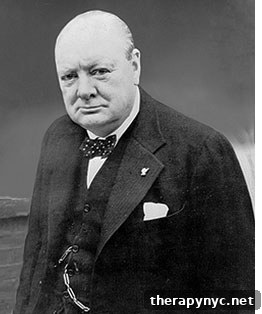
“Courage is what it takes to stand up and speak; courage is also what it takes to sit down and listen.”
“We make a living by what we get, but we make a life by what we give.”
Winston Churchill remains one of the most recognized leaders of the twentieth century. Renowned for his leadership during World War II, he was also an accomplished writer, historian, artist and the only British prime minister awarded the Nobel Prize in Literature. Below are six practical life lessons inspired by Churchill’s wisdom, rewritten for clarity and everyday application.
1. Focus on the present task.
“It is a mistake to look too far ahead. Only one link in the chain of destiny can be handled at a time.”
“It is always wise to look ahead, but difficult to look further than you can see.”
Planning for the future is important, but obsessing over distant outcomes often produces anxiety and paralysis. Break large projects into manageable steps and concentrate on the next immediate action. Taking one concrete step today changes your mindset from resistant to engaged. As you move forward, new options and clearer paths reveal themselves—plans inevitably shift as reality unfolds.
2. Prioritize action over inaction.
“I never worry about action, but only about inaction.”
Action carries risk—failure, rejection, mistakes—but inaction guarantees stagnation. To build a consistent habit of doing, try these practical techniques:
- Reconnect with the present. Briefly focusing on your breath or your senses cuts through overthinking and lowers resistance to work. This simple reset places you in a focused, relaxed state where productive actions flow more naturally.
- Lighten your approach. When you stop taking every task as a life-or-death event, it becomes easier to begin. Relaxation reduces the mental barriers that make tasks seem larger than they are.
- Start small. If your main task feels overwhelming, begin with a tiny action—two minutes of tidying, one small decision, a short phone call. Small wins create momentum and make the next step easier.
3. Cultivate optimism.
“The pessimist sees difficulty in every opportunity. The optimist sees the opportunity in every difficulty.”
“Attitude is a little thing that makes a big difference.”
“I am an optimist. It does not seem too much use being anything else.”
Optimism doesn’t mean ignoring problems; it means focusing energy on what can be done. To shift toward a more positive outlook, try these practical habits:
- Maintain physical fundamentals. Sleep, nutrition and exercise power your mood and clarity. Regular, compound movements and consistent sleep routines support emotional resilience and a sharper mindset.
- Choose positive inputs. Surround yourself with encouraging people and constructive media. Limit exposure to sources that breed fear, envy or cynicism so your mental energy supports growth.
- Set a proactive morning routine. Beginning your day with a meaningful win—tackling a priority task or exercising—creates momentum and frames the rest of the day positively.
- Act as you want to feel. Adopting confident posture, smiling, and using affirmative language can influence emotions. Behavior often shapes feeling; small deliberate actions can shift your mood.
Consistent practice of these habits strengthens a durable, optimistic outlook.
4. Persist—don’t give up too soon.
“Continuous effort – not strength or intelligence – is the key to unlocking our potential.”
“If you’re going through hell, keep going.”
Modern culture often promotes quick results, which can encourage premature quitting after a few setbacks. Real progress usually requires sustained effort, learning from failures and refining your approach. That doesn’t mean stubbornly repeating the same mistakes; it means iterating: take action, gather feedback, adjust, and try again. Seek realistic role models and learn from those who have persisted in your field. If your goal genuinely aligns with your values and passions, persistence becomes easier and more purposeful.
5. Protect your enthusiasm.
“Success is going from failure to failure without losing enthusiasm.”
Enthusiasm fuels creativity and resilience. When setbacks occur, use practical strategies to sustain it: rely on the energy from good habits, stay away from negative influences, and if you feel discouraged, reframe your questions. Instead of asking “Why did this happen to me?” ask: “What can I learn?” or “What opportunity does this reveal?” These questions shift your mindset from victimhood to agency and help revive motivation.
6. Remember most worries never happen.
“When I look back on all these worries, I remember the story of the old man who said on his deathbed that he had had a lot of trouble in his life, most of which had never happened.”
Much of our fear is anticipatory and exaggerated. Reflect on past anxieties that never materialized to put new worries in perspective. Reducing needless worry frees mental space for action, creativity and enjoyment. In short, spend less time imagining problems and more time building the life you want.
Churchill’s remarks remind us that courage involves both speaking and listening, that giving defines a meaningful life, and that steady action, optimism, and persistence create the conditions for real achievement. Use these principles as practical tools: focus on the next step, act with intention, maintain your energy, and keep going even when the path is hard. The result will be a more focused, purposeful and resilient life.