5 Reasons to Slow Down Your Life Today and How to Start
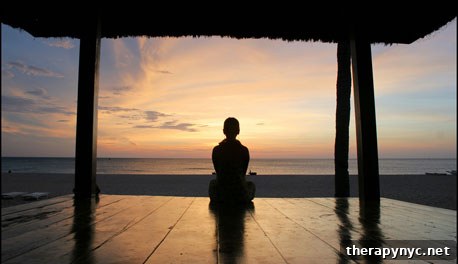
Image by ePi.Longo (licensed).
“The time to relax is when you don’t have time for it.”
Jim Goodwin
“For fast-acting relief, try slowing down.”
Lily Tomlin
“Slow down and enjoy life. It’s not only the scenery you miss by going too fast – you also miss the sense of where you are going and why.”
Eddie Cantor
Life accelerates: constant information, packed schedules, and the pressure to do more, faster. We rush through meals, skim conversations, and sleep already planning the next day. Sometimes the speed serves us, but often it leaves us scattered, stressed, and out of control.
This article explains why slowing down matters and offers clear, practical ways to bring more ease, focus, and creativity into your daily life. Try one or more of these strategies and notice how your energy and perspective change.
1. Lose or maintain weight by eating more mindfully
It takes about 20 minutes for your brain to register fullness because signals from the digestive tract take time to reach the brain. Eating slowly gives those signals time to arrive, which helps you stop before you overeat. Many people who rush meals consume 15–25% more calories than they would if they ate more slowly.
How to slow down while eating:
- Eat before you’re ravenous. Extreme hunger makes it hard to pace yourself. Plan regular meal times or eat when you begin to feel hungry rather than waiting until you’re starving.
- Put your fork or spoon down between bites. Pause, chew, and swallow before taking the next bite. This simple ritual forces a calmer tempo and helps you notice fullness cues.
- Pay attention to your food and your pace. Avoid distractions like screens or multi-tasking. Notice flavors, textures, and how your body feels as you eat instead of matching someone else’s pace at the table.
2. Reduce stress by moving and breathing more slowly
When life feels too fast, stress follows. The sensation of losing control or being constantly behind raises cortisol and frays patience.
How to slow down: Consciously slow your movements and breath. Take a deep inhale before standing, walking, or starting a task. Walk a bit slower, drive more deliberately, and allow small pauses between actions. These micro-breaks interrupt the rush and lower tension.
3. Gain clarity and prioritize what matters
A hurried mind jumps from task to task without assessing what’s essential. Slowing down creates the mental space to choose priorities rather than react to the next incoming demand.
How to slow down: Pause for a minute and take a few deliberate breaths. Ask yourself: “What is the single most important thing I can do right now?” or “If I had only two hours today, what would I work on?” Reconnecting with purpose replaces frantic busyness with calm, focused action.
4. Open space for creativity and new ideas
Constant input—notifications, conversations, and media—can overcrowd your mind and block creative thinking. Creativity thrives when there is quiet, unstructured time for ideas to surface.
How to slow down: Take breaks without screens. Walk outdoors, sit in nature, shower, or lie down and observe your surroundings. Allow your mind to wander without forcing ideas. Often, insights appear when you stop actively searching for them. Keep a notebook or phone nearby to capture ideas the moment they arise.
5. Connect with the present moment and enjoy life more fully
Being present improves mood, deepens relationships, and enhances performance. When you fully inhabit the present, you appreciate small pleasures—a meal, a conversation, a walk—rather than missing them while lost in plans or memories.
How to slow down: Stop for a minute and take in your environment: the sounds of traffic, the light on the window, the feel of air on your skin, the temperature of your drink. Notice sensations without judgment. These short pauses anchor you in the moment and restore calm and clarity.
Slowing down isn’t about doing less forever; it’s about shifting your pace so you can do the right things better. Small, repeated changes—slower meals, mindful breaths, intentional pauses—add up to a more balanced, creative, and enjoyable life.