How to Improve Mental Health Care for Older Adults
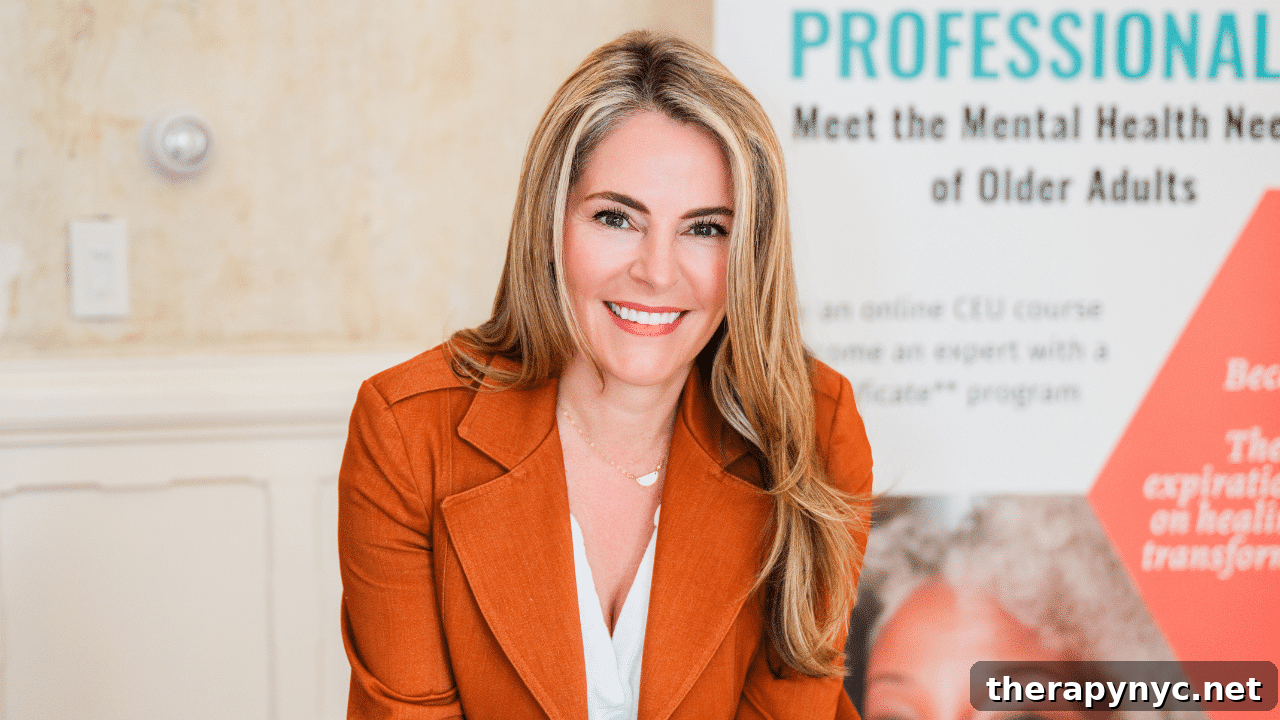
For more than two decades as a geropsychologist, I’ve taken calls from family members searching for a therapist for an older loved one and from colleagues seeking referrals. They weren’t asking for anything unusual — someone who understands depression in later life, grief after multiple losses, the shock of a new medical diagnosis, or the upheaval of major life transitions happening at once.
All too often the answer was silence or a kind but firm: “I don’t really work with older adults.” This is not an individual failing; it’s a systemic problem. Many mental health professionals never received training in how to assess, understand, or treat mental health issues in older adulthood — not in graduate school and often not through continuing education.
The mental health crisis affecting older adults
Adults 65 and older are the fastest-growing age group in the United States. By 2030, older adults will outnumber children for the first time in U.S. history. The need for age-informed mental health care is not shrinking — it’s increasing.
Among the more than 61 million Americans age 65 and older, roughly one in five lives with a mental health condition. That represents about 12.5 million people, and studies indicate that between 50% and 70% of them do not receive mental health treatment. This gap is not because treatment is ineffective; research shows older adults benefit from mental health care at rates similar to other age groups. The problem is that the system rarely reaches them.
When mental health concerns go untreated in later life, the consequences are serious and wide-ranging:
- More medical complications and longer hospital stays
- Higher medication burden and increased emergency department visits
- Greater loneliness and social isolation
- Elevated risk for cognitive decline and dementia
- Poorer quality of life and increased family strain
- Greater risk of suicide
Why older adults aren’t getting the care they need
- An undertrained workforce: Fewer than 5% of mental health professionals have specialized training in geriatric mental health.
- Access barriers: There are too few trained providers, and challenges with Medicare credentialing and reimbursement make access harder compared with private insurance or private pay.
- Ageism: Both systemic and internalized assumptions can lead clinicians and systems to undervalue older adults’ capacity to benefit from treatment.
- Stigma: Mental health stigma discourages many older adults from seeking help.
- Misinformation: Misleading beliefs — such as that depression or anxiety are just “normal” parts of aging or that treatment won’t help — prevent people from pursuing care.
The truth is clear: mental health conditions are highly treatable in later life. The tragedy lies in how many older adults never receive the care that could improve their health, functioning, and well-being.
Our mission: improve mental health care for older adults
I founded the Center for Mental Health + Aging to ensure older adults can access high-quality, evidence-based mental health care by equipping professionals with the training they need. So far, we have trained over 7,500 clinicians across all 50 states, Canada, and internationally — psychologists, social workers, counselors, LMFTs, aging life care professionals, and allied health providers.
Continuing education and consultation for aging-informed care
- Live and on-demand CE courses covering depression and anxiety in older adults, brain health, dementia-informed therapy, chronic pain, end-of-life ethics, sexual health and aging, and the impact of ageism.
- Professional certificate programs, such as the Mental Health + Aging Certificate (18 CEs), Trauma-Informed Care Certificate, and Pain Psychology Certificate.
- A credentialing pathway to become a Certified Mental Health + Aging Specialist — formal recognition for clinicians who make this work central to their practice.
- Organizational training partnerships with healthcare systems, graduate programs, and aging services networks to build a more aging-informed workforce.
Collaborating with national organizations
Closing the gap in aging mental health care requires system-level coordination. We partner with national and state organizations to expand training and build capacity across sectors.
- American Society on Aging
- Aging Life Care Association
- National Association of Certified Care Managers
- State and local health authorities and aging agencies
The impact of training clinicians in aging mental health
Clinicians who complete aging-focused training report that it transforms their practice. They gain a deeper understanding of grief across the lifespan, learn how chronic illness intersects with mental health, and develop the patience to hold complexity without forcing resolution. These skills benefit every client on their caseload.
Participants consistently share how training produces immediate improvements in their clinical work. Here are comments from clinicians who completed the Mental Health + Aging Certificate Program:
“The program has had an immediate impact with my clients.” — William Devorick, LPC
“One of the very best learning experiences of my 40 years as a psychologist.” — Patricia Romney, PhD
Clinicians building a specialty in mental health and aging
Many clinicians have chosen to focus their careers on geriatric mental health after receiving specialized training and case consultation. Their work demonstrates what specialization can achieve: thriving practices, published work, speaking engagements, and community education.
Examples of community impact
One therapist created a weekly discussion group on aging, mental health, and wellness in her senior living community. The group began with basic skills — identifying emotions, practicing mindfulness, and opening space for connection — and quickly grew to 35 regular participants. Small initiatives like these spread understanding and reduce isolation.
When clinicians are trained, every older adult they serve and everyone in their community benefits.
How you can join the movement
Fixing the mental health care gap for older adults requires a broad, sustained commitment from clinicians, training programs, healthcare systems, policymakers, and advocates. This movement starts with individual action.
- Get trained: Foundational knowledge in aging mental health enables clinicians to work effectively with older adults.
- Ask the right questions: Older adults will often reveal what they need when clinicians inquire beyond the presenting problem.
- Challenge ageism: Recognize and counter cultural messages that devalue aging and limit clinical expectations.
- Build referral networks: Know who in your community provides excellent aging-informed care and connect clients to those resources.
- Advocate: Urge training programs, licensing boards, and employers to make geriatric mental health competency a professional standard, not an elective.
If you lead a training program or a healthcare system, integrate aging content throughout curricula and clinical training rather than relegating it to an optional course. The fastest-growing segment of the population deserves thorough, mandatory preparation.
If you are an older adult or a family member seeking care: your needs are legitimate, and you deserve a provider who understands later-life mental health. Difficulty finding help is a reflection of a systemic gap, not a personal failing.
The work continues
Aging is likely to touch all of us and those we love. For too long, aging has been at the margins of mental health training and practice. We are committed to changing that by training clinicians, building partnerships, and advocating for systemic change.
The aging mental health crisis is real — and solvable. It begins with each of us deciding that older adults are worth the investment. Older adults deserve high-quality mental health care. Clinicians deserve the training to provide it. Join us.