How Ageism Harms Older Adults’ Mental Health
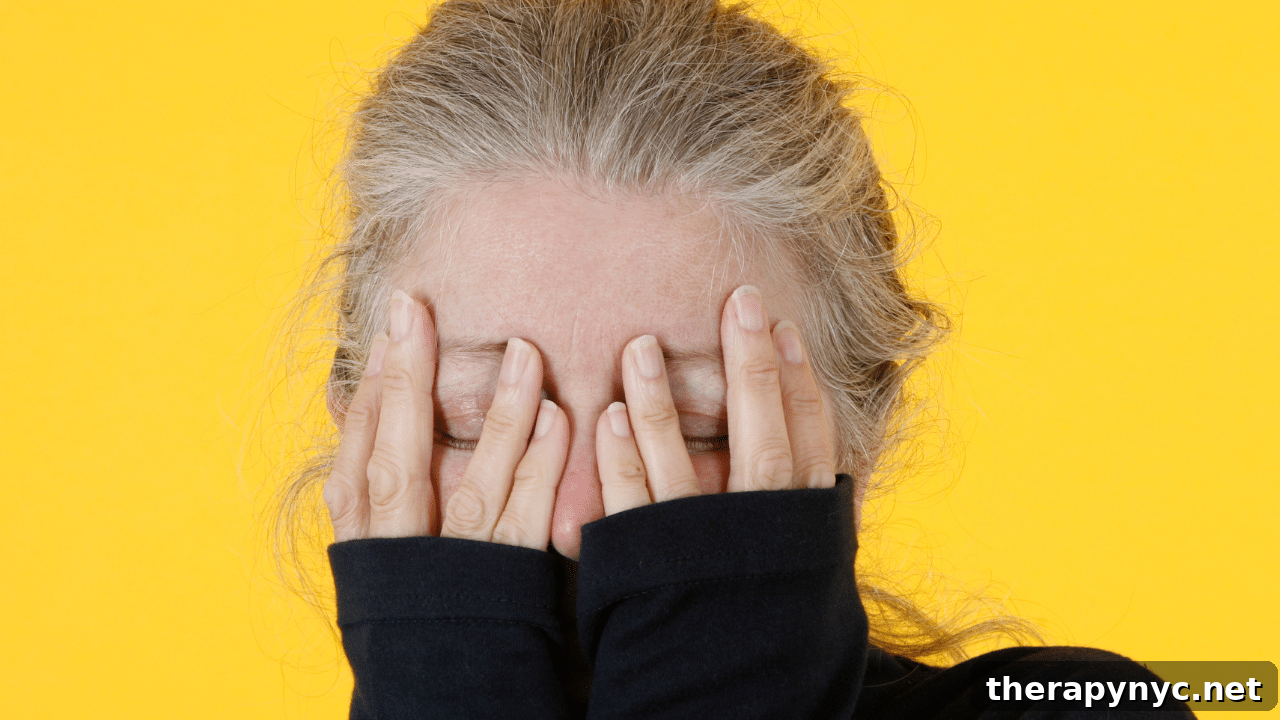
Ageism threatens the mental health and well-being of older adults worldwide. Research consistently shows that age-based prejudice—from subtle stereotypes to overt discrimination—has measurable, harmful effects on psychological health, increasing rates of depression, anxiety, and social isolation among older people.
Ageism takes three main forms: stereotypes (how we think), prejudice (how we feel), and discrimination (how we act). These attitudes and behaviors can come from others or be turned inward when older adults internalize negative beliefs about aging. Understanding how ageism operates—and how to reduce its impact—is essential to protecting mental health as people grow older.
Large-scale reviews highlight the scope of the problem. One review of 422 global studies found that 85% linked ageism to denial or reduced access to healthcare, while 95% reported a negative effect of ageism on psychiatric outcomes such as depression. These findings point to a systemic problem: ageism not only harms emotional well-being but also translates into restricted services, rationed resources, and exclusion from medical research and care.
The Psychological Toll of Ageism on Older Adults
A synthesis of multiple studies shows that exposure to ageist attitudes and actions correlates with lower psychological well-being among older adults. Those who perceive or experience ageism report higher levels of distress, decreased life satisfaction, and increased depressive symptoms. When negative stereotypes about aging are internalized, the effects deepen: internalized ageism can foster worthlessness, hopelessness, anxiety, and social withdrawal.
The stress process model helps explain this impact. Repeated exposure to ageism functions as a chronic stressor, contributing to a cycle of mental health problems. Unlike many stressors that individuals can manage alone, ageism is socially embedded and requires collective, structural responses across communities and systems.
Similarly, the stereotype embodiment framework suggests that lifelong exposure to negative age stereotypes makes them part of an individual’s self-concept. When older adults accept these beliefs, they are more likely to experience both mental and physical health declines. Interrupting this internalization is vital to improving outcomes.
How Internalized Ageism Impacts Mental Health
Internalized ageism occurs when older adults adopt society’s negative views of aging as true for themselves. This internalization increases vulnerability to mental health problems and reduces the likelihood that someone will seek help. For example, research among older veterans shows that those who fully embraced ageist beliefs had higher rates of anxiety, PTSD, and suicidal ideation, while veterans who resisted negative age stereotypes experienced lower rates of these conditions. This demonstrates that rejecting ageist narratives can provide psychological protection.
Addressing internalized ageism is therefore not only a matter of changing social attitudes but also of supporting older adults to recognize their strengths, resilience, and continued potential for growth.
Five Ways to Protect Mental Health Against Ageism
Despite the harm caused by ageism, research identifies several protective factors that help buffer its impact. Promoting these strengths can guide mental health interventions and community programs:
- Pride in aging: Embracing one’s age and valuing membership in one’s generation reduces vulnerability to ageist harm.
- Emotional resilience: Skills for managing negative emotions—such as anger, sadness, and frustration—support emotional stability and recovery.
- Positive aging mindset: Holding an optimistic view of aging and a hopeful outlook for the future supports better mental health.
- Body confidence: Feeling comfortable in one’s body regardless of age helps maintain self-esteem and emotional well-being.
- Flexible life goals: Adapting expectations and goals over time enables continued purpose and satisfaction as circumstances change.
These protective factors can be integrated into therapy, community programs, and public health messaging to strengthen resilience in older populations.
Structural Ageism: Barriers to Healthcare and Opportunities
Ageism is often structural—embedded in policies, systems, and institutional practices that disadvantage older adults. Structural ageism shows up in healthcare, employment, and research, with direct consequences for quality of life and access to services.
Common examples of structural ageism include:
- Denial or deprioritization of healthcare: Older adults may be denied certain treatments or placed lower on priority lists because of age-based assumptions.
- Rationing of medical resources: In some settings, resources are allocated with age as a deciding factor, leaving older patients underserved.
- Exclusion from clinical trials: Older people are often underrepresented in medical research, resulting in fewer evidence-based treatments tailored to their needs.
- Limited employment opportunities: Age-based hiring discrimination, forced retirements, and restricted retraining options reduce economic independence and social engagement for older workers.
Structural ageism also affects crisis care: studies have found that older adults presenting with suicidal ideation are less likely to receive mental health evaluations or referrals for follow-up than younger patients. Such disparities increase risk and reflect systemic biases that must be addressed.
How Mental Health Providers and Aging Services Professionals Can Address Ageism
Mental health professionals and aging services providers play a crucial role in reducing ageism and improving care. Recommended steps include:
- Integrate ageism into diversity and inclusion efforts: Include age as a central dimension of equity initiatives to raise awareness and change practices.
- Support professional development focused on older adults: Expand training on late-life mental health, culturally competent care for older populations, and evidence-based interventions tailored to aging clients.
- Highlight strengths of aging: Shift narratives to emphasize resilience, life experience, and capabilities rather than inevitable decline.
- Reflect on and mitigate personal biases: Clinicians should examine assumptions that equate age with cognitive or functional loss and treat each person as an individual.
- Use inclusive, respectful language: Prefer terms such as “older adults” or “people over 65” and avoid stigmatizing labels that reduce dignity.
- Include older adults in research: Advocate for age-inclusive clinical trials and mental health studies to ensure treatments meet the needs of aging populations.
- Promote a healthy aging narrative: Share evidence that emotional regulation often improves with age and that mental health conditions remain treatable in later life.
- Advocate for policy and service reforms: Work with policymakers to expand mental health services, improve access, and ensure appropriate reimbursement for care serving older adults.
Improving mental health outcomes for older adults is about preserving dignity, honoring life experience, and ensuring access to appropriate care. By challenging ageist assumptions, supporting resilience, and reforming systems, providers and communities can help older adults thrive during later stages of life.
Professionals and community members are encouraged to pursue continuing education and training focused on ageism and mental health to support this work and create a more equitable future for aging populations.