Postpartum Depression: Causes, Symptoms, and Treatment
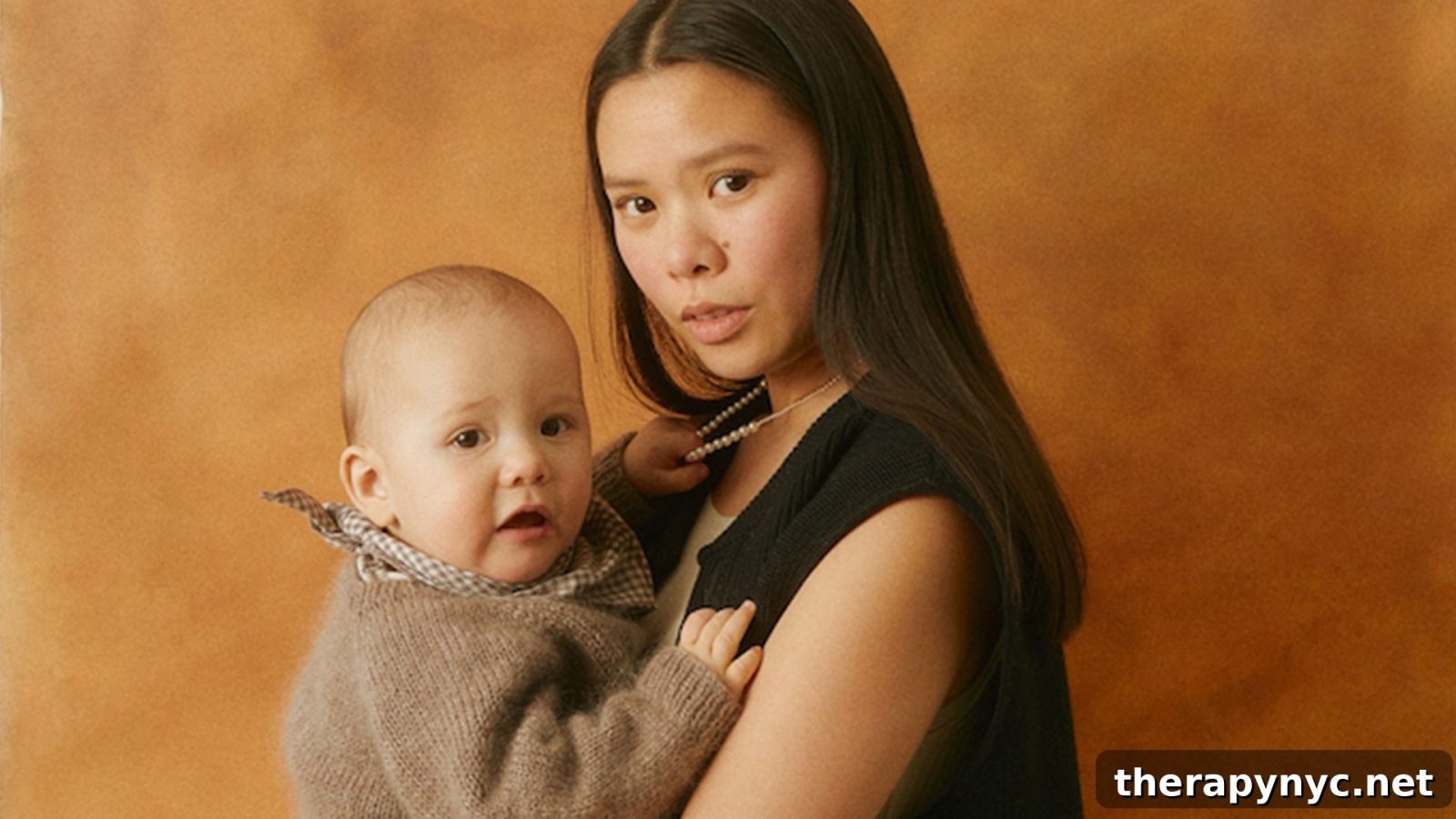
As many as one in seven women can develop postpartum depression—also called postnatal depression—a mood disorder that can begin after childbirth. It is more intense and longer lasting than the “baby blues,” which typically resolve within two weeks. Postpartum depression can significantly interfere with a woman’s ability to care for herself and her baby and to return to everyday functioning.
Despite how common it is, postpartum depression remains stigmatized and under-discussed. It is not a character flaw or a sign of weak parenting; it is a medical condition that follows childbirth. Understanding the causes, symptoms, and treatments can help women and their families get timely support.
What is postpartum depression?
Not everyone feels immediate joy and bonding after a birth, and that’s normal. Postpartum depression (PPD) is a diagnosable mood disorder that occurs after delivery. It can be mistaken for the baby blues, which commonly include temporary tearfulness, irritability, anxiety, fatigue, and trouble concentrating. Baby blues usually start within a few days after birth and resolve by two weeks.
By contrast, symptoms of postpartum depression often appear within six weeks after childbirth but can begin anytime during the first year and may last months or, in some cases, years. The difference between baby blues and PPD is the severity, persistence of symptoms, and the impact on daily functioning.
Symptoms
If depressive symptoms persist longer than two weeks after delivery, contact your healthcare provider. Symptoms of postpartum depression may include:
- Persistent sadness, hopelessness, or overwhelming anxiety
- Excessive crying
- Loss of interest in activities you previously enjoyed
- Difficulty bonding with the baby or feeling no connection
- Thoughts of harming yourself or your baby—seek immediate help if this occurs
- Changes in appetite or sleep (sleeping too much or insomnia)
- Low energy, poor concentration, and indecisiveness
- Feelings of worthlessness, guilt, or being a bad mother
- Withdrawing from friends and family
How common is it?
Postpartum depression most often develops in the weeks following childbirth and affects roughly 6.5% to 20% of women, depending on the population studied. It can affect anyone but is more common among adolescent mothers, those who deliver prematurely, and women who lack strong social support. Many cases go unreported—fears of stigma or being judged as a “bad mother” often prevent women from seeking help.
What causes postpartum depression?
PPD arises from a combination of biological, psychological, and social factors. Some people are more vulnerable because of past experiences, health history, or current stresses.
Risk factors
Factors that increase the risk of postpartum depression include:
- A personal history of depression, anxiety, or severe premenstrual syndrome
- Previous trauma, including sexual abuse or domestic violence
- Complications during pregnancy or delivery (emergency C-section, premature birth, hospitalization)
- Giving birth to an infant with health problems or special needs
- Lack of social or family support
- Lifestyle factors such as poor nutrition, sleep deprivation, and limited physical activity
- Young maternal age
Biological and hormonal factors
Rapid drops in estrogen and progesterone after delivery may trigger mood changes in susceptible women. Changes in thyroid function after childbirth can also produce symptoms that resemble depression. These biological shifts, combined with fatigue and the demands of caring for a newborn, can increase the risk of PPD.
Psychological and social contributors
Women with prior mental health conditions are more vulnerable to PPD because they may be less resilient to hormonal and life changes. Major life stressors—financial strain, relationship problems, or lack of paid parental leave—can contribute significantly. Limited emotional or practical support during pregnancy and postpartum also increases risk.
Screening and diagnosis
Routine postpartum screening helps identify PPD early so treatment can begin. Many healthcare providers use standardized questionnaires, such as the Edinburgh Postnatal Depression Scale (EPDS), which asks about mood, anxiety, and thoughts over the previous week. Screening can be done during postpartum check-ups and repeated, since symptoms can develop later in the first year.
Blood tests may be used to evaluate thyroid function or other medical causes of depressive symptoms.
Treatment options
Treatment is tailored to the individual and may combine psychotherapy, medication, and support services.
Therapy
Psychotherapy, including cognitive behavioral therapy (CBT), helps people reframe unhelpful thoughts, develop coping skills, and build supportive routines. Support groups provide peer understanding and reduce isolation by connecting parents who face similar challenges.
Medication
When appropriate, antidepressant medications can relieve symptoms by addressing chemical imbalances in the brain. Many antidepressants are considered compatible with breastfeeding, but medication decisions should be made with a healthcare provider and pediatrician or lactation consultant to weigh benefits and risks.
Severe cases
For rare but serious conditions such as postpartum psychosis—characterized by hallucinations, delusions, severe mood swings, or thoughts of harming self or others—more intensive treatments, including hospitalization and electroconvulsive therapy (ECT), may be needed to ensure safety and stabilization.
Risks and complications of untreated PPD
If left untreated, postpartum depression can lead to persistent fatigue, impaired concentration, difficulty caring for the baby, and an increased risk of self-harm. Research shows children of mothers with untreated depression may face developmental, behavioral, and health challenges, including delays in motor and language development, poor sleep patterns, and higher rates of mood and behavioral disorders.
Prevention and self-care
While preventing every case of PPD is not always possible, awareness and early action can reduce risk and severity.
Prevention strategies
- Inform your healthcare provider if you have a history of depression or anxiety before or during pregnancy so a care plan can be made.
- Educate yourself and your support network about signs of PPD so symptoms are recognized early.
- Prioritize sleep and rest when possible; sleep deprivation is strongly linked to higher risk of postpartum depression.
- Adopt a balanced diet rich in vegetables, fruits, legumes, dairy, seafood, and healthy fats, which may reduce depressive symptoms.
- Build a reliable support system before and after delivery, including family, friends, and community resources.
Self-care for recovery
- Connect with other parents through support groups or community programs to reduce isolation and share practical advice.
- Ask for help with household tasks and childcare so you can rest, shower, and eat regularly.
- Spend time outside daily—short walks or park visits can improve mood and energy.
- Schedule regular time for enjoyable activities and practice self-compassion; small, consistent acts of care support recovery.
Seeking professional help is a key step in recovery. Effective care not only benefits the parent but also supports the child’s emotional and developmental health.
Getting help
Having a baby is joyful and demanding. If you suspect you have postpartum depression, reach out to your healthcare provider, mental health professional, or local support services. Admitting you are struggling is a sign of strength, not failure. With appropriate treatment and support, most people recover and can enjoy the experience of parenthood.