5 Ways to Support the LGBTQ+ Community This Pride Month
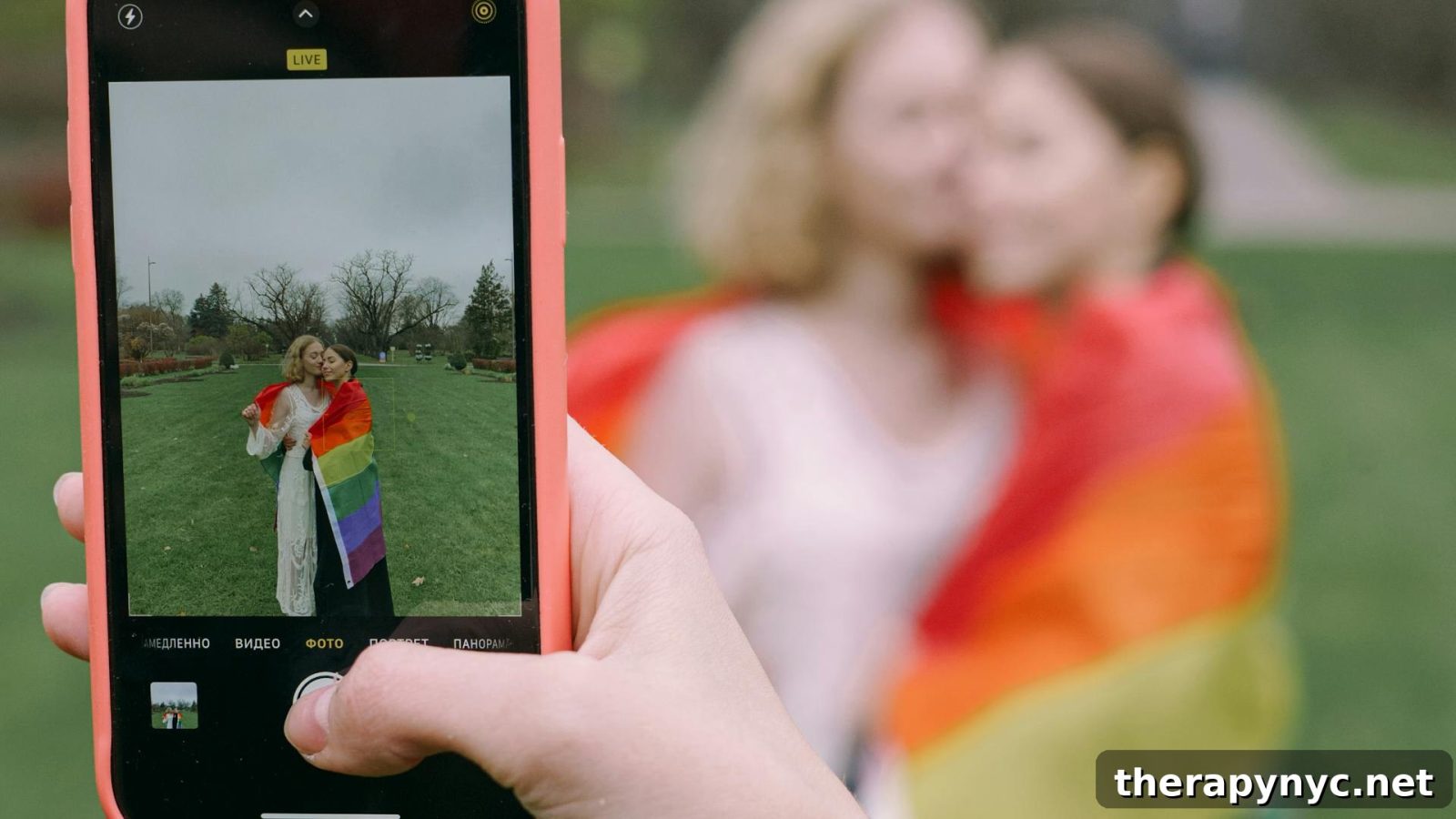
Pride Month, observed every June, is an opportunity to celebrate the LGBTQ+ community, honor queer history, and advocate for equality for all. It’s a month of joy and visibility, but also a sober reminder of the continuing struggles many in the community face.
While meaningful progress has been made, there is still more work to ensure safety, dignity, and equal rights for LGBTQ+ people. Below is an overview of Pride Month’s origins, practical ways to be an effective ally, and how mental health and therapy intersect with LGBTQ+ experiences.
Understanding the History of Pride Month
Pride Month traces its roots to June 1969 and the Stonewall Uprising, when a police raid at the Stonewall Inn in New York City sparked several nights of protests and galvanized a modern LGBTQ+ rights movement. The first Pride marches were held on the one-year anniversary in June 1970, and since then June has become a time to remember those events, honor activists and organizers, and continue the fight for equal treatment under the law.
Ways to Show Support as an Ally
Allyship means listening, learning, taking action, and centering LGBTQ+ voices. Here are clear, practical steps anyone can take during Pride Month and beyond.
Educate Yourself and Others
If you are cisgender and heterosexual, you may not have firsthand experience with bias based on sexual orientation or gender identity. Learning about the history, terminology, and ongoing challenges faced by LGBTQ+ people helps you become a more informed and effective ally.
Seek out reputable books and documentaries to deepen your understanding. Some useful reads include The Gay Revolution by Lillian Faderman and Transgender History by Susan Stryker. Documentary titles that explore queer history and culture include Before Stonewall, Paris Is Burning, and The Death and Life of Marsha P. Johnson.
Attend Pride Events
Participating in Pride parades, marches, and community events is a visible way to show support. Consider these actions:
- Join parades and marches: Public presence helps normalize LGBTQ+ lives and supports community visibility.
- Go to Pride gatherings and fundraisers: Many events raise money for local nonprofits and services that support LGBTQ+ people.
- Volunteer: Offer time to local organizations that coordinate events, provide resources, or run outreach programs.
- Support LGBTQ+-owned businesses and creators: Seek out queer vendors and artists at Pride festivals or online.
Advocate for LGBTQ+ Rights
Pride is also a time for civic engagement. Use your voice to support policies that protect LGBTQ+ people from discrimination and violence:
- Contact elected officials: Urge representatives to back nondiscrimination laws and inclusive policies.
- Sign and share petitions: Amplify campaigns led by LGBTQ+ organizations and advocate for local and national initiatives.
- Promote inclusive policies in institutions: Advocate for equitable workplace policies, inclusive school environments, and accessible community services.
Use Inclusive Language and Pronouns
Respectful language matters. Ask for and use people’s correct names and pronouns. If you’re unsure, politely ask. When you hear someone use a slur or incorrect pronouns, correct them calmly and explain why inclusive language matters. Small adjustments in everyday speech create safer, more welcoming environments.
Build Safe Spaces and Celebrate Diversity
Make your home, workplace, school, or community space visibly welcoming to people of all sexual orientations and gender identities. Partner with local LGBTQ+ centers to learn how to improve accessibility, host inclusive events, and support intersectional identities. Celebrating the variety of LGBTQ+ experiences—across race, disability, religion, and class—strengthens community solidarity.
Offer Emotional and Practical Support
Active listening and compassion can be lifesaving. Offer a nonjudgmental space for friends and family to share their experiences. Connect people with practical resources—coming-out guides, information about transitioning, or lists of affirming providers—when appropriate. If someone is struggling with mental health, help them find supportive care and encourage access to professional help when needed.
Therapy and Mental Health Support for the LGBTQ+ Community
Discrimination, rejection, and stigma increase risk for mental health conditions among LGBTQ+ people. Research shows higher rates of depression, anxiety, substance use, and suicidal thoughts compared with the general population. These risks are especially acute for LGBTQ+ youth and for people who face intersecting forms of marginalization, such as racial discrimination.
Therapy with an LGBTQ+-affirming clinician can be a crucial resource. Affirming therapists provide a safe space to process identity-related stress, develop coping strategies, repair trauma, and build resilience and self-worth. Therapy can help people:
- Create a secure environment to express feelings
- Learn coping tools to manage stress and minority-related trauma
- Strengthen social support and self-confidence
- Work through past abuse or rejection
- Make empowered choices about identity, relationships, and wellbeing
For many LGBTQ+ individuals, affirming mental health care is not just helpful—it can be life-saving.
Finding LGBTQ+-Affirming Therapy
If you or a loved one is seeking an affirming therapist, prioritize providers with experience working with LGBTQ+ clients. Shared identity can foster trust, but the most important factor is the therapist’s cultural competency and commitment to affirming care.
Use specialized search filters to locate therapists who accept your insurance and specialize in LGBTQ+ issues. Look for clinicians who explicitly list LGBTQ+ experience or affirming practice on their profiles, and consider reaching out to ask about their approach before scheduling an appointment.