Buckeye Health Plan Coverage: Eligibility, Benefits and Costs

Therapy can be expensive without the right coverage—just a few sessions may strain many families’ budgets. Fortunately, Buckeye Health Plan’s managed care programs in Ohio provide robust mental health benefits that help members access therapy and related services at little or no cost.
Key takeaways
- Buckeye Health Plan covers a broad range of mental health services, including evidence-based therapies such as CBT, DBT, EMDR, family counseling, and group therapy for anxiety, depression, trauma, schizophrenia spectrum disorders, and substance use disorders.
- Most services are available with no copay for Medicaid-managed members; typical out-of-pocket costs for therapy sessions are low when applicable.
- Many members can self-refer for routine therapy and do not need referral approval from a primary care provider for standard outpatient behavioral health services.
- Out-of-network care is generally not covered, so using an in-network therapist is important to avoid unexpected charges.
- If a claim is denied, you can appeal—written appeals are typically accepted within 60 days and standard appeals are reviewed within about 15 calendar days.
What is Buckeye Health Plan insurance?
Buckeye Health Plan is a managed care organization that administers Medicaid and related programs across Ohio. Its plans typically include medical, behavioral, dental, and vision services, plus support services such as transportation, care coordination, home health, hospice, telehealth, and disease coaching. Buckeye also operates Medicaid-focused programs and specialized plans for people who are dually eligible for Medicare and Medicaid.
Under Buckeye’s behavioral health benefits, members can access a range of mental health services for conditions like anxiety, depression, trauma, serious mental illness, and substance use disorder. The plan offers both outpatient therapy and specialized programs—for example, services targeted to schizophrenia spectrum disorders and intensive case management when clinically indicated.
Does Buckeye Health Plan cover therapy?
Yes. Buckeye Health Plan covers in-person therapy and telehealth (virtual) services provided by in-network behavioral health professionals. Covered treatments commonly include individual psychotherapy, family therapy, group therapy, and evidence-based modalities for trauma, mood disorders, and addiction care.
What therapy does Buckeye Health Plan cover?
While details may vary by specific plan and diagnosis, typical covered psychotherapy options include:
- Cognitive Behavioral Therapy (CBT)
- Dialectical Behavior Therapy (DBT)
- Mindfulness-based approaches
- Psychodynamic and insight-oriented therapy
- Eye Movement Desensitization and Reprocessing (EMDR)
- Individual and group counseling for substance use disorders
- Family therapy
- Group therapy
Additional services—such as community psychiatric supportive treatment, psychosocial rehabilitation, multisystemic therapy, cognitive enhancement interventions, and certain medication-assisted treatments—may be covered depending on clinical need and plan rules.
Buckeye’s behavioral health services are delivered by licensed clinicians including licensed clinical social workers, marriage and family therapists, psychiatrists, and other qualified professionals. Always confirm coverage specifics with your plan or provider before starting treatment.
Medication coverage
Buckeye provides coverage for prescription medications, including psychiatric medications, and may cover certain physician-ordered over-the-counter items. Coverage rules to be aware of:
- Some drugs require prior authorization based on age, dose, or quantity limits.
- Generic alternatives are usually preferred; brand-name drugs may require justification if a generic exists.
- Mail-order options may be available for extended supplies.
For the most accurate medication information, check Buckeye’s current drug list or contact member services.
What Buckeye may not cover
Buckeye generally does not cover services deemed not medically necessary. Examples often excluded include:
- Hypnotherapy for routine mental health care
- Certain non-traditional or holistic treatments (for example, standalone biofeedback programs or alternative therapies) when they are not considered medically necessary
If you are unsure whether a service is covered, discuss it with your provider and confirm with Buckeye beforehand.
Telehealth and online therapy
Buckeye covers telehealth (virtual) therapy in addition to in-person sessions, consistent with state rules. Telehealth availability and the types of services offered virtually depend on the program and provider licensing.
Out-of-network therapy
Buckeye typically does not cover out-of-network mental health providers. Seeking care from an out-of-network clinician can lead to significantly higher out-of-pocket costs. When possible, choose an in-network provider to maximize benefits and minimize expenses.
How to check if your Buckeye plan covers therapy
There are two reliable ways to confirm coverage and costs:
1. Review your Summary of Benefits
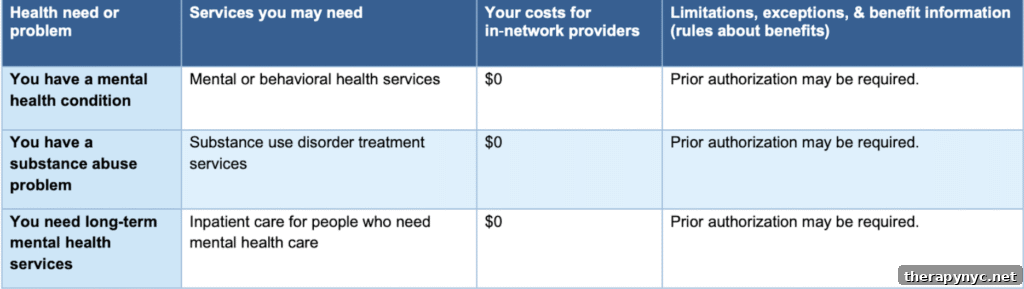
Look for sections labeled “behavioral health,” “mental health,” or “outpatient services.” If mental health rows list “not covered,” therapy is not included under that plan. Prior authorization requirements and copay information may also be listed in the summary.
2. Contact Buckeye member services
Call the phone number on the back of your insurance ID card or use your plan account to ask directly about coverage, provider networks, prior authorization requirements, and estimated out-of-pocket costs for therapy.
How much does Buckeye therapy cost?
Many Buckeye Medicaid members have little to no cost for mental health services. Where costs apply, therapy sessions are typically low-cost after any applicable deductible—commonly averaging around $40 per session in contexts where coinsurance or a copay applies. Exact amounts depend on your plan and the service provided; always verify cost estimates before your first appointment.
Copays, deductibles, and coinsurance
Buckeye Medicaid plans often have no copays for most covered services and typically do not require coinsurance for standard behavioral health care. A deductible is the amount you must pay before benefits apply; for many Buckeye Medicaid members this is minimal or not applicable. If you are in a specialized plan, check member materials or call member services for specifics.
Do you need a referral to see a therapist?
In most cases, Buckeye Health Plan members can access in-network mental health services without a primary care referral. Members may self-refer to standard outpatient counseling services; for some specialized or intensive programs, prior authorization or referral may be required.
How to find an in-network therapist
Options to find a therapist who accepts Buckeye:
- Use Buckeye’s provider directory to filter by behavioral health specialty and whether a provider is accepting new patients.
- Call Buckeye member services for personalized help locating in-network clinicians in your area.
- Ask your primary care provider or local clinics for referrals to in-network mental health professionals.
Common coverage issues and how to handle them
Denied claims
If a claim is denied, first read the Explanation of Benefits (EOB) to identify the reason—common causes include incorrect information, lack of prior authorization, missing documentation, or out-of-network billing. If you believe the denial is incorrect, collect supporting documentation (for example, clinical notes and a provider letter explaining medical necessity) and submit a written appeal within the plan’s deadline—typically 60 days.
Denied appeals
If an internal appeal is denied, you may request a state fair hearing or an independent external review. Deadlines and procedures vary, so follow the instructions in the denial notice and keep detailed records of all communications during the appeals process.
Prior authorization
Some services and medications require prior authorization. Ask your provider to submit authorization requests when needed. Buckeye’s provider resources and member services can help determine which services require prior approval.
Making the most of your coverage
To get the best value from your Buckeye plan:
- Confirm coverage and costs before starting treatment.
- Choose in-network providers whenever possible.
- Ask about telehealth and group therapy options, which can increase access and convenience.
- Keep thorough records of bills, EOBs, and communications in case you need to appeal.
Final thoughts
Buckeye Health Plan reduces many financial barriers to care by offering comprehensive behavioral health benefits, minimal copays for Medicaid members, and the ability to self-refer for common outpatient services. If you’re in Ohio and need mental health support, check your plan documents or contact member services to confirm coverage, then connect with an in-network therapist to begin care.