How Therapy Dogs Reduce Anxiety and Improve Mental Health
Key takeaways
- Therapy dogs are working canines that provide comfort, affection, and emotional support in settings such as hospitals, schools, nursing homes, and disaster sites — they are distinct from service dogs and emotional support animals.
- Research shows that spending time with dogs can lower cortisol, reduce blood pressure, and ease symptoms of anxiety and depression.
- Therapy dogs, service dogs, and emotional support animals have different roles and legal protections; knowing the difference helps handlers and the people they assist.
- The most important qualities for a therapy dog are a steady temperament, thorough socialization, and the ability to stay calm in stressful situations — breed and size are secondary.
- If you’re interested in therapy that involves animals, look for licensed professionals who specialize in animal-assisted approaches.
What is a therapy dog?
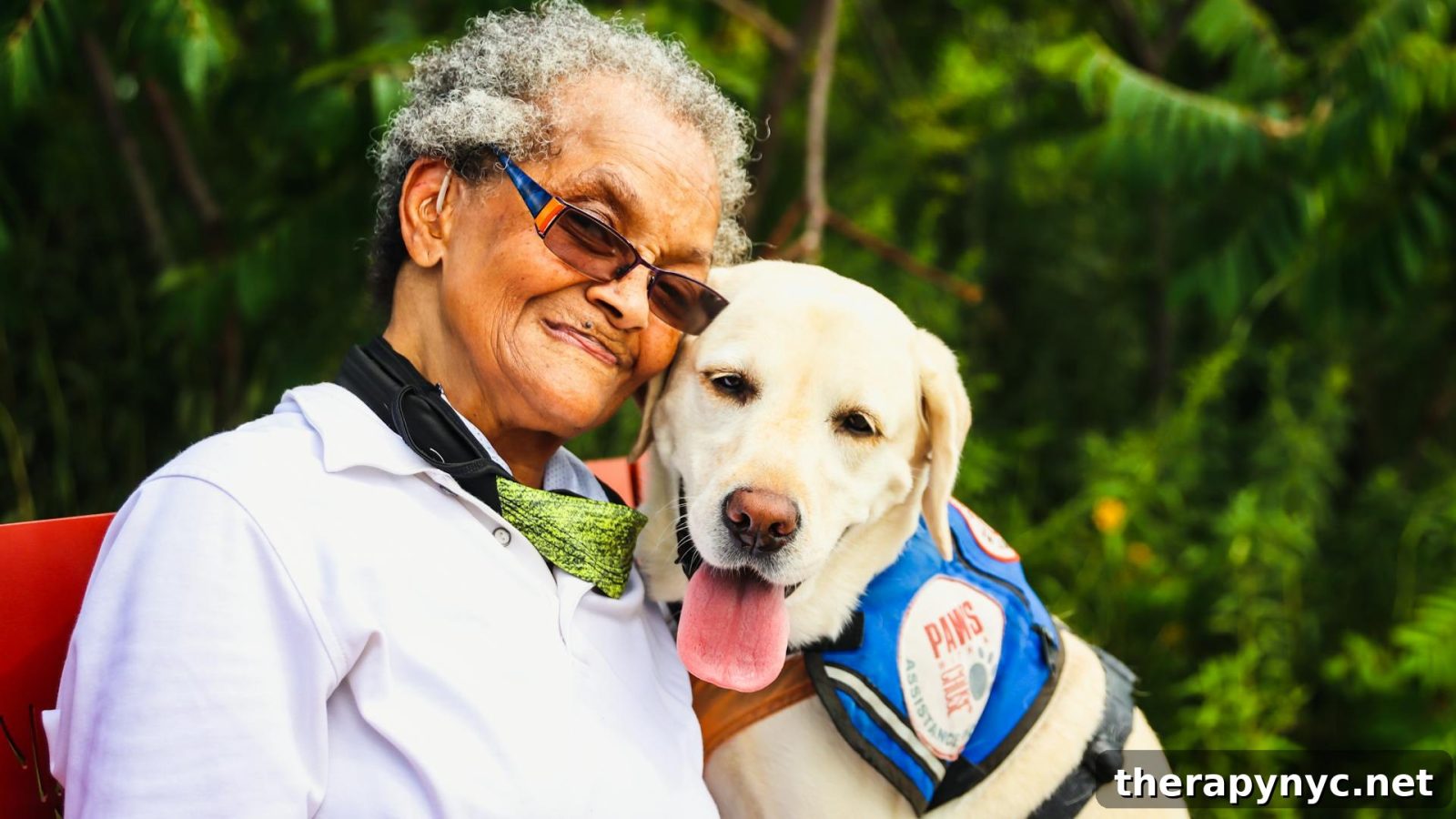
A therapy dog is a type of working animal trained or evaluated to deliver comfort, companionship, and emotional support to many people in public or institutional settings. Unlike service dogs, which are trained to perform specific tasks for a single handler with a disability, therapy dogs typically visit multiple people under the supervision of a handler. They often volunteer in hospitals, schools, nursing homes, hospice centers, disaster relief sites, and occasionally in clinical sessions as part of animal-assisted therapy.
Therapy dogs serve several purposes: they provide human connection, break isolation, reduce distress, and help people feel safer and more open. They can be part of structured therapeutic programs led by clinicians, or they can offer informal comfort through organized visitation programs.
Common categories include:
- Therapeutic visitation animals: Dogs that visit patients and residents to brighten days and offer physical contact and emotional comfort.
- Disaster relief dogs: Teams that respond to traumatic events and provide soothing presence to survivors and responders.
- Animal-assisted therapy animals: Dogs who work alongside licensed therapists or rehabilitation staff to support therapeutic goals in clinical and rehab settings.
- Facility therapy animals: Dogs kept by a facility to support residents’ ongoing social and emotional needs, such as in long-term care.
Their role over the years
People have long recognized animals’ calming and social effects. Accounts of animals easing human distress appear in historical records, but systematic research into animal-assisted interventions began in the mid-20th century. Early clinicians observed that patients who were otherwise withdrawn often responded to the presence of a dog, making communication and engagement easier. Subsequent studies throughout the 1960s and 1970s expanded on these clinical observations and inspired modern research into how animals affect human biology, emotions, and social behavior.
Today, therapy dogs are a visible part of many healthcare and community programs. They are deployed to support grieving individuals, to help students with stress at school, to reduce loneliness in older adults, and to assist people coping with trauma after disasters. Their consistent, nonjudgmental presence makes them especially effective in moments when human interaction alone may not reach someone in need.
How therapy dogs differ from service dogs and emotional support animals
Therapy dogs, service dogs, and emotional support animals (ESAs) are often confused, but they serve different functions and have different legal statuses.
Therapy dogs
Therapy dogs provide comfort and social support to many people in group or institutional settings. They are not trained to perform tasks for a single person’s disability and do not have the same public access rights as service dogs. Instead, their access is typically granted by invitation from facilities or organizations.
Service dogs
Service dogs are individually trained to perform specific tasks that mitigate a person’s disability. Examples include guide dogs for people who are blind, mobility support dogs, medical alert dogs, and hearing dogs. Under laws such as the Americans with Disabilities Act, service dogs enjoy broad public access rights so their handlers can participate fully in public life.
Emotional support animals
Emotional support animals provide companionship and may alleviate symptoms of conditions such as anxiety or depression for a specific individual. ESAs are typically identified through a recommendation from a licensed mental health professional, but training and certification standards for ESAs are inconsistent and federally limited. ESAs do not have the same wide-ranging public access rights as service dogs; their legal protections are generally more restricted and often relate to housing accommodations rather than entry into public spaces.
Therapy dogs and overall health
The effects of therapy dogs span psychological, biological, and social dimensions. Clinicians and researchers use a biopsychosocial framework to understand how animals influence human well‑being. Psychologically, interacting with a friendly dog can improve mood, reduce symptoms of depression and anxiety, and increase social engagement. Biologically, contact with dogs is associated with reduced cortisol (a stress hormone), decreased blood pressure, and other markers indicating lower physiological stress. Socially, therapy dogs often help people connect, open up in therapy or group settings, and rebuild trust after traumatic experiences.
How therapy dogs impact mental health
Many people experience an immediate mood lift when they see or touch a dog. Clinically, dogs have been shown to lower anxiety, ease loneliness, and encourage communication—especially in populations that may struggle with social interaction, such as psychiatric patients, children, and older adults with cognitive decline. Therapy visits in hospitals and schools often break down barriers to engagement and can support therapeutic goals by providing a calming, motivating presence.
How therapy dogs impact physical health
Physical benefits from interaction with dogs include measurable reductions in stress biomarkers, such as cortisol, and decreases in blood pressure. Short interactions—handing, petting, or simply being near a calm dog—can yield meaningful physiological changes. For people with PTSD, autism spectrum disorder, chronic illness, or mobility challenges, these biological effects can translate into improved coping during stressful events and better overall health outcomes over time.
Did you know?
Research has found that as little as ten minutes of petting a dog can reduce cortisol and produce stress-reduction effects comparable to some longer interventions. Brief, focused contact with an animal often produces measurable biological and emotional benefits.
What to look for in a therapy dog
Any breed or size can be an effective therapy dog, depending on temperament and the environment in which the dog will work. The most important factors are temperament, socialization, trainability, and how the dog handles stress. Other considerations include grooming needs, health maintenance, and the handler’s ability to care for the animal consistently.
Temperament
A good therapy dog is calm, well-mannered, and comfortable with being touched by strangers. They should be confident without being overly excitable and able to remain focused and relaxed in busy or emotional settings.
Energy level
Therapy dogs should match the demands of their work. Visits with children or active patients can welcome a playful dog with boundaries, while visits in intensive medical settings usually require a dog with low to moderate energy that can stay composed.
Size
Size matters mainly for practical reasons: small dogs are easy to carry and cuddle, while larger dogs may be better for interacting with children or providing grounding presence. Choice should suit the intended setting and populations served.
Care and grooming
A therapy dog must be healthy and up to date on vaccinations, parasite control, and grooming. Proper care at home supports the dog’s well-being and ensures safe, pleasant visits for clients and staff.
An effective addition to therapy
Canine companionship can be a powerful complement to mental health care. Therapy dogs offer unconditional presence and nonjudgmental attention that helps people relax, open up, and feel supported. While therapy dogs do not replace professional treatment, they can enhance engagement, reduce immediate distress, and support long-term recovery when integrated into structured therapeutic plans. For many people, the presence of a calm, friendly dog provides comfort that is both emotionally meaningful and backed by biological evidence.
Final thoughts
Evidence shows therapy dogs can lower stress hormones, reduce blood pressure, and ease symptoms of anxiety and depression. Beyond measurable effects, their most important contribution is often simple: offering nonjudgmental company and steady presence during difficult moments. If you’re seeking mental health support, consider animal-assisted options as a valuable part of a broader plan that includes licensed professional care tailored to your needs.