Self-Employed Taxes: What Service Providers Need to Know
Making the jump to private practice gives you control over your schedule, your clients, and how you run your work. It also makes you the employer, which brings administrative responsibilities many training programs don’t cover—most notably self-employment taxes. For clinicians new to private practice, tax questions are often the most confusing: how much do you owe, when do you pay it, what expenses are deductible, and how do you avoid surprises at filing time?
With a clear understanding of the basics—business structure, self-employment tax, estimated quarterly payments, and common deductions—tax season becomes manageable. Good record-keeping and routine planning are the practical skills that make the biggest difference. This guide explains the essentials for self-employed mental health professionals and highlights common traps to avoid. For personalized advice, consult a tax professional familiar with mental health practices.
What you should know
- Self-employed clinicians pay both income tax and self-employment tax, the latter covering Social Security and Medicare contributions.
- Estimated quarterly payments are required for most self-employed providers; missing them can trigger penalties.
- Many routine practice expenses are deductible, including office rent, continuing education, professional liability insurance, and practice software.
- Keep business and personal finances separate from day one to simplify bookkeeping and tax filing.
- Business structure matters: sole proprietorship, LLC, or S-Corp status affects taxation and administrative requirements.
Understanding your business structure
Your chosen structure determines how income is reported and which tax forms you file. Many clinicians begin as sole proprietors by default. That’s the simplest route: business income and expenses flow through to your personal tax return, and there’s no separate business tax return. The trade-off is personal liability for business debts and legal claims.
Some providers form an LLC or Professional LLC to create a legal separation between personal and business assets. A single-member LLC is generally taxed like a sole proprietorship unless you elect otherwise, but it offers liability protection. Electing S-Corporation tax status can reduce self-employment tax at higher income levels by allowing owners to pay a salary and take additional income as distributions, though S-Corps introduce payroll requirements and a separate business tax return.
Should I form an LLC or S-Corp for my therapy practice?
For most clinicians just starting out, operating as a sole proprietor or single-member LLC is the most practical choice. A single-member LLC provides liability protection without a lot of extra tax complexity. An S-Corp election can be beneficial when net practice income is consistently high enough that savings on self-employment tax exceed the extra compliance costs—often when net profits reach the higher five-figure range or more, though the exact threshold varies by situation and state. S-Corps require payroll setup and ongoing administrative work; consult a tax professional to model whether the election makes sense for your practice.
State rules also matter: some states have specific requirements for professional practices, so check local regulations or speak with an advisor before forming an entity.
“When I started my private practice, I intentionally kept things simple and formed an LLC. Early on I focused on building my client base and systems, and a straightforward structure made that easier.”
Rugiatu Bahr, PMHNP-BC
Key tax concepts for self-employed clinicians
Before diving into calculations, know a few foundational distinctions.
Taxable income versus gross revenue
Gross revenue is the total money your practice brings in. Taxable income is what remains after you subtract allowable business deductions. Good tax planning ensures you pay tax only on the income that remains after legitimate business expenses.
Ordinary income versus self-employment income
Your net practice earnings are self-employment income and are subject to both income tax and self-employment tax. If you also have a salaried job, that salary is taxed differently and usually has taxes withheld by the employer.
Personal taxes versus business taxes
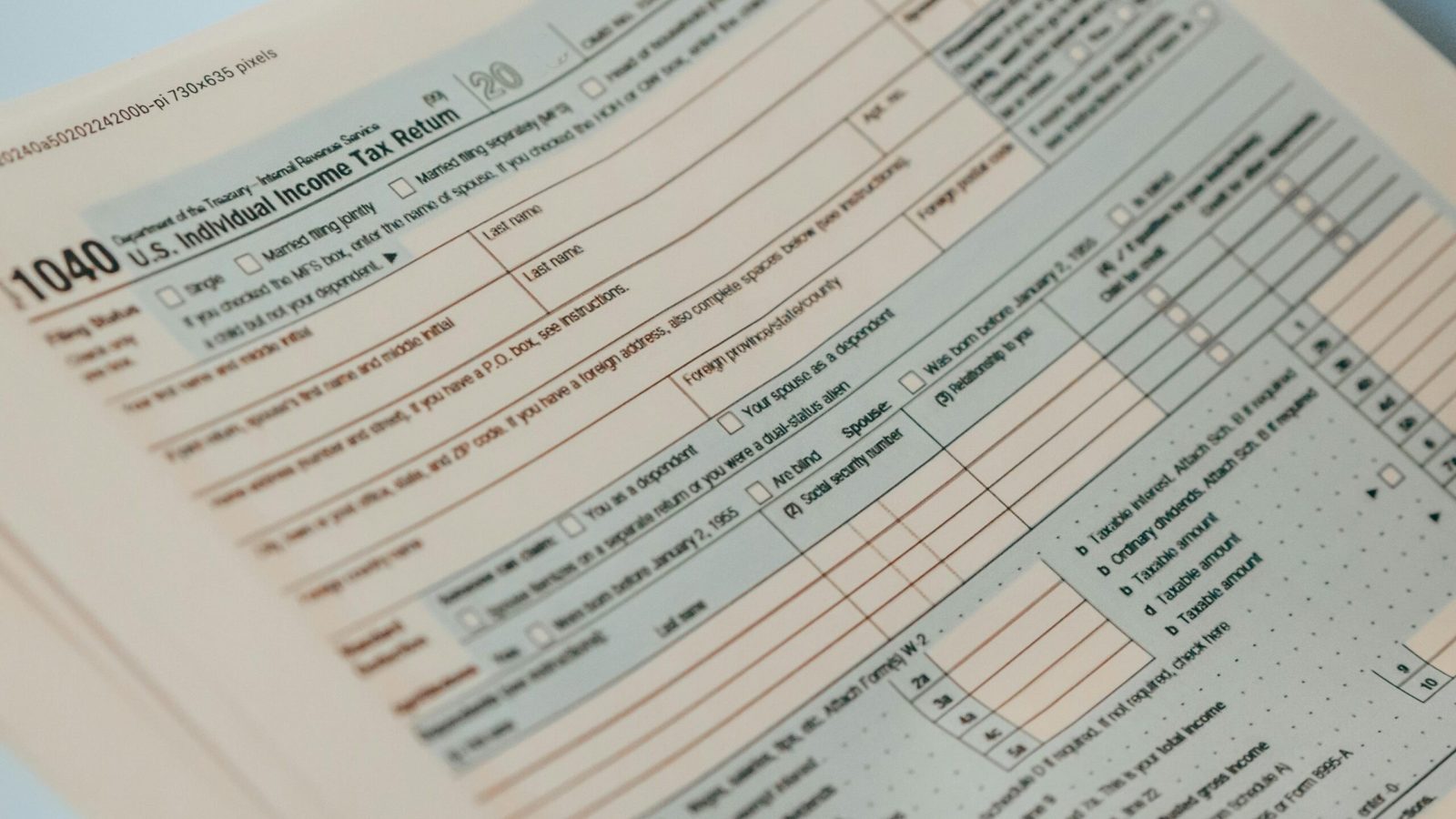
Most solo practitioners file business income and expenses on Schedule C attached to their individual Form 1040. If you elect S-Corp status, the business files a separate return and you report salary and distributions on your personal return.
Federal versus state and local taxes
Self-employed providers owe federal income tax and self-employment tax; state and local income taxes depend on where you practice. State tax rules and business registration requirements differ widely, so understand local obligations early.
Self-employment tax basics
Self-employment tax is one of the biggest surprises for first-time private practice owners.
What self-employment tax covers
Self-employment tax covers Social Security and Medicare contributions. Employers normally split these taxes with employees; as a self-employed provider you pay the full amount yourself. The combined rate is 15.3% (comprised of the Social Security portion and the Medicare portion), applied to your net self-employment income, with certain wage base limits for Social Security and an additional Medicare surtax for higher incomes.
How self-employment tax is calculated
Self-employment tax is applied to net earnings from self-employment—gross income minus business deductions. Because deductions reduce net earnings, they decrease both income tax and self-employment tax. The tax system allows you to deduct half of your self-employment tax from your adjusted gross income, which partially offsets the burden.
Estimated quarterly taxes
Unlike employees who have taxes withheld each paycheck, self-employed clinicians must make estimated tax payments four times a year. If you expect to owe $1,000 or more in federal tax after withholding and credits, you generally must pay estimated taxes quarterly. A common guideline is to set aside about 30% of net profit for federal taxes (income tax plus self-employment tax), then add your state tax rate on top if applicable. Mark quarterly due dates on your calendar—typically April, June, September, and January—to avoid penalties.
Did you know?
Self-employment tax is calculated on 92.35% of net earnings, and you may deduct half of the self-employment tax when computing adjusted gross income. Social Security portions are subject to an annual wage base limit that changes each year.
Business income sources for mental health providers
Practice income can come from private-pay clients, insurance reimbursements, employee assistance programs (EAPs), telehealth platforms, consulting, supervision, speaking, and workshops. Income may arrive as bank transfers, checks, or payments from processors; you must report all income even if you don’t receive formal tax forms.
Using a dedicated business bank account makes tracking income much easier and reduces the chance of missed items when filing taxes.
Common deductible business expenses
Many everyday costs of running a practice are deductible. Keeping clear records and receipts is essential to claim these deductions and to withstand any potential review.
Office and practice space
Rent for office space is deductible. If you work from a dedicated home office that meets IRS criteria for regular and exclusive business use, you may claim a home office deduction using either a simplified square footage method or the actual expense method.
Professional fees and licensing costs
Licensing fees, professional association dues, malpractice and liability insurance, supervision and consultation fees, and fees paid to accountants or attorneys for practice-related matters are generally deductible.
Clinical tools and practice operations
Practice management software, electronic health records, teletherapy platforms, office supplies, continuing education, books, and a business portion of phone and internet expenses are commonly deductible. Marketing costs such as websites, directory listings, and advertising also reduce taxable income.
Health insurance and retirement contributions
If you pay your own health insurance and aren’t eligible for employer coverage, you may be able to deduct 100% of premiums as an adjustment to income. Retirement accounts for the self-employed—SEP-IRA, SIMPLE IRA, or Solo 401(k)—offer deductible contributions with generous limits, making them powerful tools for reducing taxable income while saving for retirement.
“I track payments weekly and set aside about 30% for taxes. That simple system, plus working with a CPA, makes quarterly payments and tax season much easier.”
Lauramarie Vita, LPC
Handling client payments and financial records
Good financial habits reduce stress and protect you in the event of an audit.
Separating business and personal finances
Open a business checking account and use it exclusively for practice transactions. Mixing personal and business funds complicates bookkeeping and increases the risk of errors.
Choosing a bookkeeping system
Use an accounting tool or hire a bookkeeper to track income and expenses consistently. Monthly reconciliation is preferable to annual catch-up bookkeeping and helps you spot issues promptly.
Tracking income from multiple payers
Record the source of each payment—insurance, EAPs, telehealth platforms, or private-pay clients. You must report all income even if you do not receive formal tax forms from payers.
Retaining documentation and receipts
Keep tax records for at least three years; many advisors recommend keeping records for seven years to cover various scenarios. Retain receipts, invoices, bank statements, mileage logs, and documentation supporting income and deductions. Digital copies are acceptable if organized and backed up.
Tax planning strategies for mental health providers
Proactive planning makes tax time predictable.
Choosing the right entity for tax efficiency
Reevaluate your business structure as income grows. An S-Corp can save on self-employment tax in some cases but adds administrative costs; model the numbers with a tax professional before making a change.
Income smoothing and planning around life changes
Adjust estimated payments when your income changes significantly—adding clients, raising rates, or reducing hours can all affect tax liability. Plan ahead around major life events like childbirth or buying a home.
Record-keeping habits that simplify tax time
- Reconcile books monthly.
- Keep personal and business expenses separate.
- Save receipts and track mileage consistently.
- Meet with a tax professional at least annually, ideally before year-end.
Avoiding common tax mistakes in private practice
Watch for these common errors: mixing personal and business funds, missing estimated tax deadlines, overlooking deductible expenses, failing to set aside money for taxes, and ignoring state-specific rules. Staying organized, setting aside a tax percentage of each payment, and consulting a tax professional can prevent costly mistakes.