Maternal Mental Health: Why We Showed Up and What We Heard
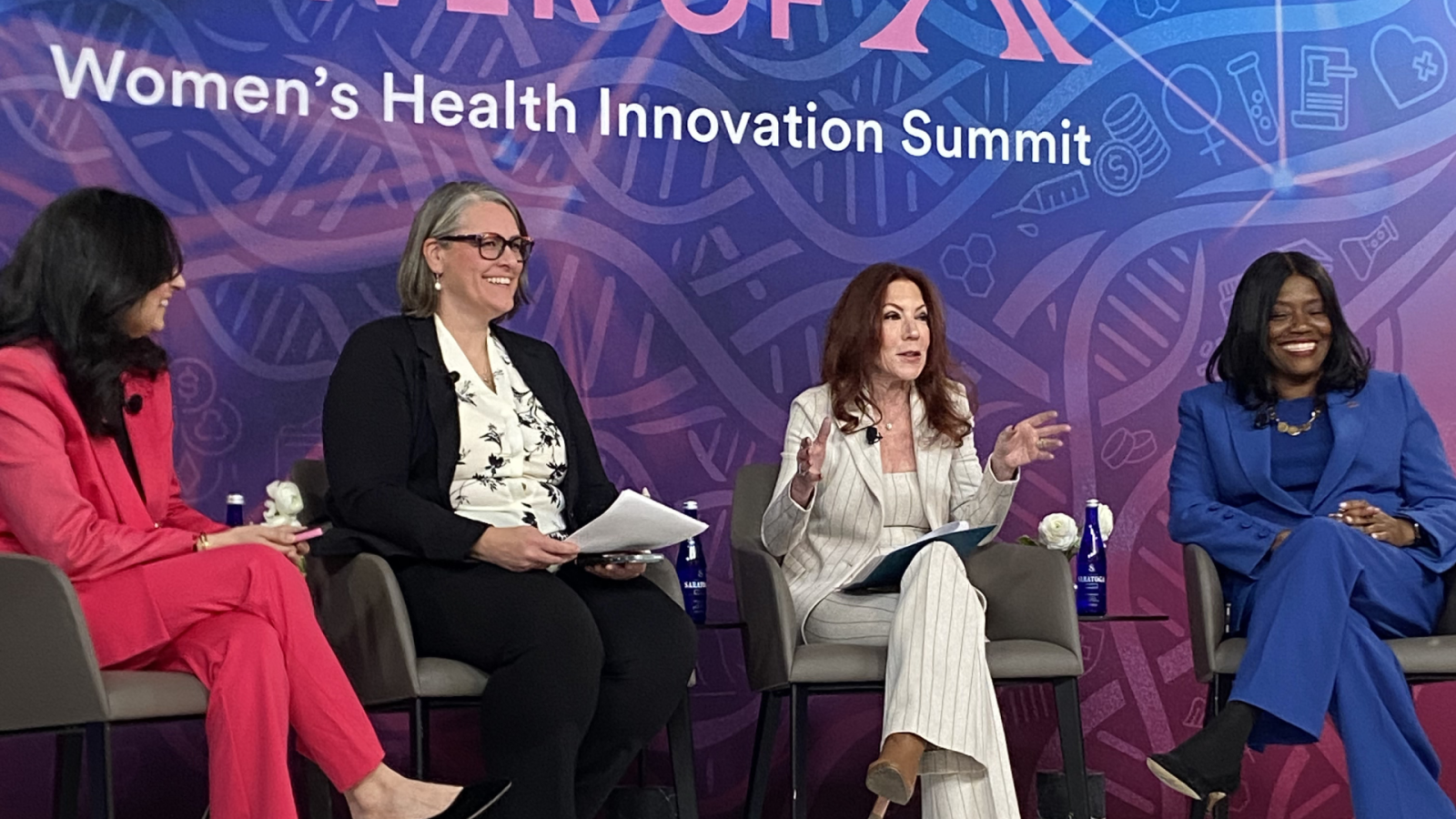
New mothers, pregnant people, and those facing fertility challenges should have straightforward access to quality mental health care. Yet a persistent gap remains between that ideal and reality — which is why Grow Therapy sponsored The Power of X this year. We participated because maternal mental health is one of the most underserved areas in behavioral health, and it was important to engage with clinicians, organizations, and advocates working to improve care.
The conversation reinforced that improving maternal mental health requires practical solutions, coordinated systems, and policies that keep care continuous and accessible.
Key takeaways
- Maternal mental health is underserved, with high rates of postpartum depression and limited access to care in many communities.
- Systemic gaps such as maternity care deserts and inadequate postpartum insurance coverage often delay or prevent timely mental health support.
- Proactive strategies like a “mental health go bag” help parents identify supports and resources before a crisis occurs.
- Coordinated, long-term follow-up beyond the immediate postpartum period is essential because maternal health affects future physical and mental health risks.
- Improving access requires integrated systems, thoughtful policy changes, and ensuring referrals connect patients to in-network providers who can actually deliver care.
What the data tells us
I had the privilege of joining Dr. Joanne Stone (Chair of OBGYN and Reproductive Science at Mount Sinai) and Stacey Brayboy (SVP of Public Policy at March of Dimes) on a panel organized by Cure and Women’s Health Horizons. The discussion was direct and rooted in evidence:
- About one in eight women experience postpartum depression.
- More than a thousand U.S. counties are considered maternity care deserts, lacking OBGYNs, birthing centers, or nearby hospitals.
- Maternal mortality tied to suicide and overdose often peaks months after delivery — well beyond the period of routine clinical coverage.
- In many states, Medicaid coverage for postpartum care ends well before a full year after delivery, leaving gaps for ongoing mental health needs.
These are not abstract statistics; they reflect the lived experience of patients who need timely, effective mental health care now.
Answers at every level
What made the panel memorable was its emphasis on actionable solutions at clinical, systems, and policy levels.
At the clinical level: Build infrastructure before crisis
New and expecting parents need emotional preparation as much as they need practical items for childbirth. A “mental health go bag” encourages identifying trusted supports, clarifying insurance coverage, acknowledging fears aloud, and planning how to access care. This proactive approach shifts care from reactive crisis response to steady, preventive support during a vulnerable period.
At the systems level: Pregnancy is a window into long-term health
Dr. Stone emphasized that the typical six-week postpartum visit should not be a final check-in. Conditions that arise during pregnancy — such as hypertensive disorders, gestational diabetes, or pregnancy loss — can predict cardiometabolic and mental health risks for years. Healthcare systems should maintain care continuity, coordinate across specialties, and make follow-up easy to access.
At the policy level: Momentum is real but must continue
Progress has been made on extending postpartum Medicaid coverage, and many states have adopted policies to improve continuity of care. Still, policy change must be accompanied by community engagement and implementation that ensures those policies translate into real access — particularly in underserved areas.
What the broader conversation reinforced
Several consistent themes emerged across sessions and panels:
Telehealth has dramatically reduced barriers to accessing mental health services, improving reach for many parents. However, telehealth must be implemented thoughtfully to preserve quality, privacy, and continuity of care. The future of maternal mental health is personalized and precise, but that future relies on robust data and integrated clinical workflows.
Small, routine actions also make a big difference. Asking about pregnancy complications during an emergency room intake, including depression screening in regular visits, and offering clear next steps when risk is identified all build trust and connect patients to care before crises escalate.
The throughline
Dr. Stone put it plainly: screening only matters if there is an effective, accessible place to send patients for care. That means providers who accept the patient’s insurance, have timely availability, and coordinate with referring clinicians.
This is the exact gap Grow Therapy aims to close. When an OBGYN flags a patient in need, a coordinated referral should engage the patient directly, match them with an in-network clinician, and ensure communication flows back to the referring provider. A parent in crisis should not have to navigate confusing directories or long waitlists to get help.
Why this moment matters
Stacey Brayboy shared a personal story about her own experience with postpartum depression after receiving dismissive care early on. She did not receive adequate support at the time and had to seek out care independently. That experience has shaped her decades-long advocacy to ensure other families do not have to find their way alone.
Stories like hers make gatherings such as The Power of X essential: they bring together clinicians, policymakers, and community voices to translate evidence into better care models, sustained policies, and real access for families. Grow Therapy remains committed to collaborating with clinicians and health systems to help close the loop between screening and effective, ongoing mental health care for parents.