10 Online ADHD Treatment Providers: Insurance, Cost and Care

Finding an attention-deficit/hyperactivity disorder (ADHD) treatment provider shouldn’t feel like another executive function obstacle. Telehealth has expanded access to ADHD care, but the many available services mean you often have to do the homework. Add long waitlists, insurance questions, and differing payment models, and getting started can feel overwhelming.
Below is a concise, updated guide to the top online ADHD treatment platforms, evaluated for transparency, ease of scheduling, pricing models, medication support, and tools for tracking progress. Use this to skip the comparison spiral and find the care that suits your needs and budget.
Best online ADHD treatment platforms at a glance
| Platform | Takes insurance | Payment model | Offers medication management | Digital tracking tools |
|---|---|---|---|---|
| Grow Therapy | ✓ (Accepts 125+ plans) | Pay-per-session | ✓ | ✓ (Progress monitoring and AI journal) |
| ADHD Advisor | ✗ (HSA/FSA accepted) | Subscription | ✓ | ✗ |
| Cerebral | ✓ | Subscription | ✓ | ✓ (Mood and progress tracking) |
| Sesame | ✗ | Pay-per-session | ✗ | ✗ |
| Talkspace | ✓ | Subscription | ✗ | ✗ |
| ADHD Online | ✗ | Pay-per-session | ✓ | ✗ |
| Circle Medical | ✓ | Pay-per-session | ✓ | ✗ |
| BetterHelp | ◐ (Limited) | Subscription | ✗ | ✗ |
| Teladoc | ✓ | Pay-per-session | ✓ | ✓ (Sleep, mood tracking, activity plans) |
| Talkiatry | ✓ (In-network only) | Pay-per-session | ✓ | ✗ |
Find an ADHD provider who accepts your insurance
1. Grow Therapy
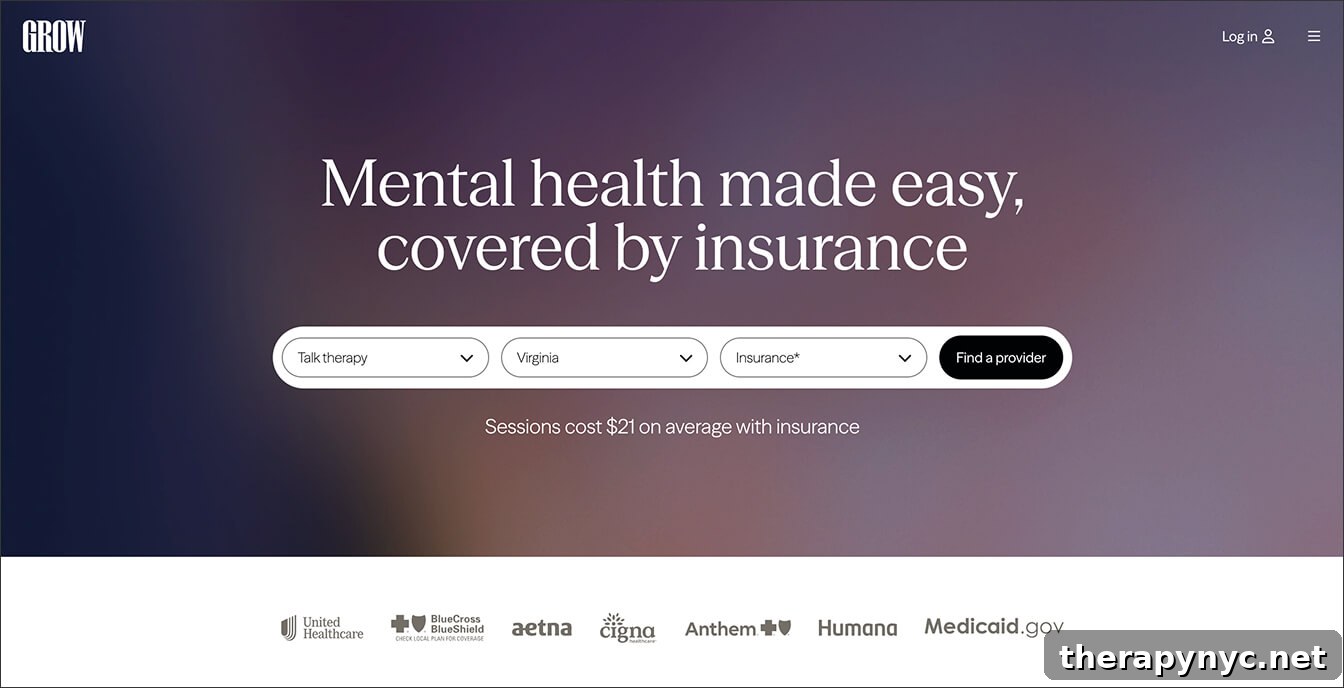
Grow Therapy is a flexible platform that connects people with ADHD-specialized providers without forcing subscriptions or auto-assigned clinicians. It supports a broad range of insurance plans (over 125), including Medicaid and Medicare in some areas, and lets clients choose providers based on specialty, availability, language, and identity.
Many clients use Grow for combined ADHD therapy and medication management. You can work with therapists experienced in behavioral treatments and with psychiatric prescribers who evaluate and manage medications. This combined model helps individuals who are also dealing with anxiety, depression, sleep problems, or other co-occurring issues.
Grow’s per-session pricing removes subscription pressure and makes evening and weekend appointments accessible. With typical insurance-covered sessions averaging around $21, it’s a practical option for people who want insurance-supported care and a clear sense of cost.
Cost and insurance
- Accepts 125+ insurance plans, including major national carriers; availability may vary by state
- Cost with insurance: Most clients pay ~ $21 per session; some pay $0 depending on plan
- Cost without insurance: $75–$250+ per session, depending on provider credentials and location
Features
- Online and some in-person appointment options
- Per-session pricing (no subscription)
- Psychiatry and medication management integrated with therapy
- Robust search filters to find providers by specialty, language, insurance, and identity
- Secure telehealth and progress-monitoring tools
Who it’s a good fit for
Anyone seeking insurance-covered ADHD therapy or medication management who also wants the ability to choose their own provider. It’s especially useful for people managing ADHD along with other mental health or sleep concerns.
| Pros | Cons |
|---|---|
| Accepted by 125+ insurance providers, including some Medicaid/Medicare plans | In-person availability depends on location |
| Progress monitoring and digital tools | Cash-pay rates vary by provider |
| Evening and weekend appointments often available |
2. ADHD Advisor
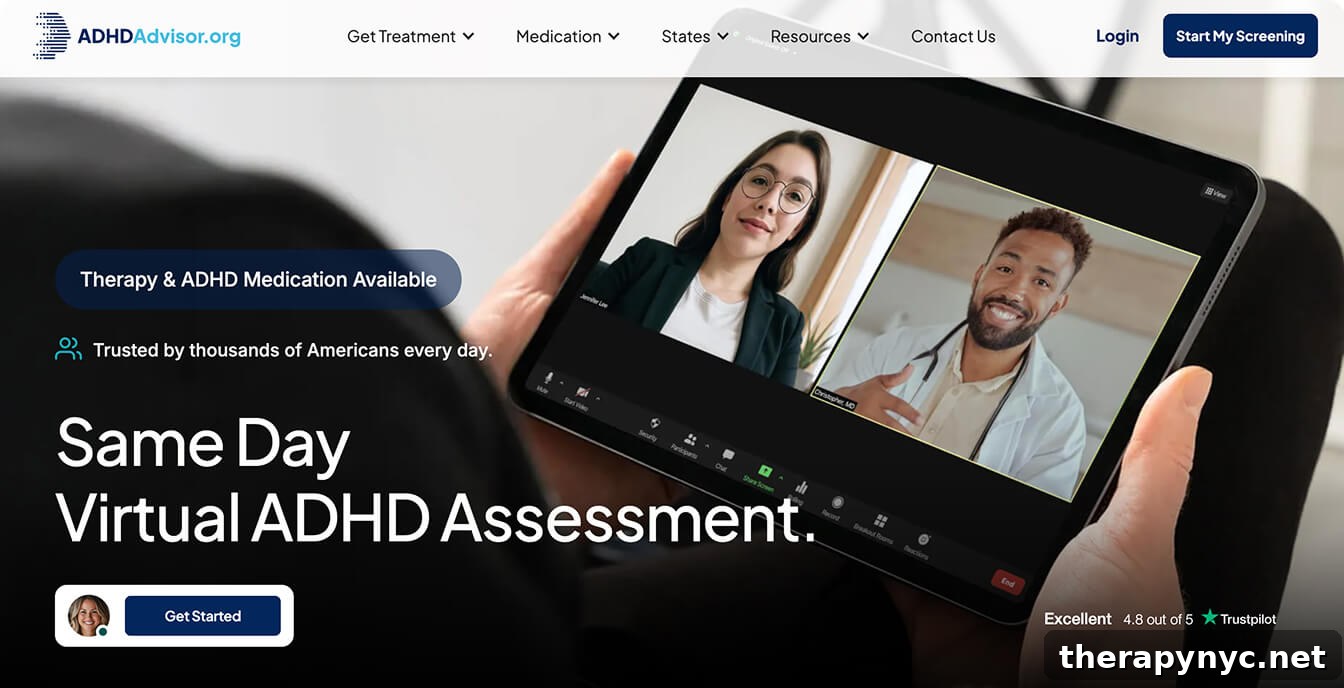
ADHD Advisor is a focused telehealth service dedicated to ADHD assessment and treatment. Every provider on the platform specializes in ADHD or closely related conditions, which creates a targeted and efficient experience for diagnosis and follow-up care.
Appointments are telehealth-only, and same-day evaluations are often available. The platform does not accept insurance but accepts HSA/FSA payments; subscription pricing makes costs predictable. In many states it provides medication management, though stimulant prescribing may be limited or unavailable in certain jurisdictions—confirm state-specific policies before signing up.
Cost and insurance
- Does not accept insurance; HSA/FSA accepted
- Cost without insurance: Typical fees include an initial consultation and subscription or monthly fees for medication management and therapy
Features
- ADHD-focused providers and evaluations
- Medication management and coaching options
- Transparent subscription pricing
Who it’s a good fit for
People seeking a fast, ADHD-specific evaluation who don’t require insurance billing and prefer a specialized telehealth experience.
| Pros | Cons |
|---|---|
| All providers focus on ADHD | Does not accept insurance |
| Integrated diagnosis, therapy, medication support, and coaching | Stimulant prescriptions may be restricted in some states |
3. Cerebral

Cerebral offers a subscription-based model that combines therapy and medication services with regular check-ins and in-app tools. It accepts some insurance plans depending on state and employer arrangements. Cerebral supports continuous care, which works well for people who want routine support and digital tracking built into their plan.
Note that Cerebral’s subscription approach charges a recurring fee and that stimulant prescribing policies vary; in many cases, stimulants are not prescribed. The platform does not provide in-person appointments.
Cost and insurance
- Accepts some major insurance plans (coverage varies by state)
- Cost without insurance: Subscription or per-session pricing depending on plan
Features
- In-app messaging and tracking
- Medication management services
- Evidence-based therapy with progress check-ins
Who it’s a good fit for
Adults who want a structured subscription-based program combining therapy and medication management in a single app-based experience.
| Pros | Cons |
|---|---|
| Digital tools for mood and progress tracking | No in-person care |
| Subscription plans available | Does not prescribe stimulants in many states |
4. Sesame
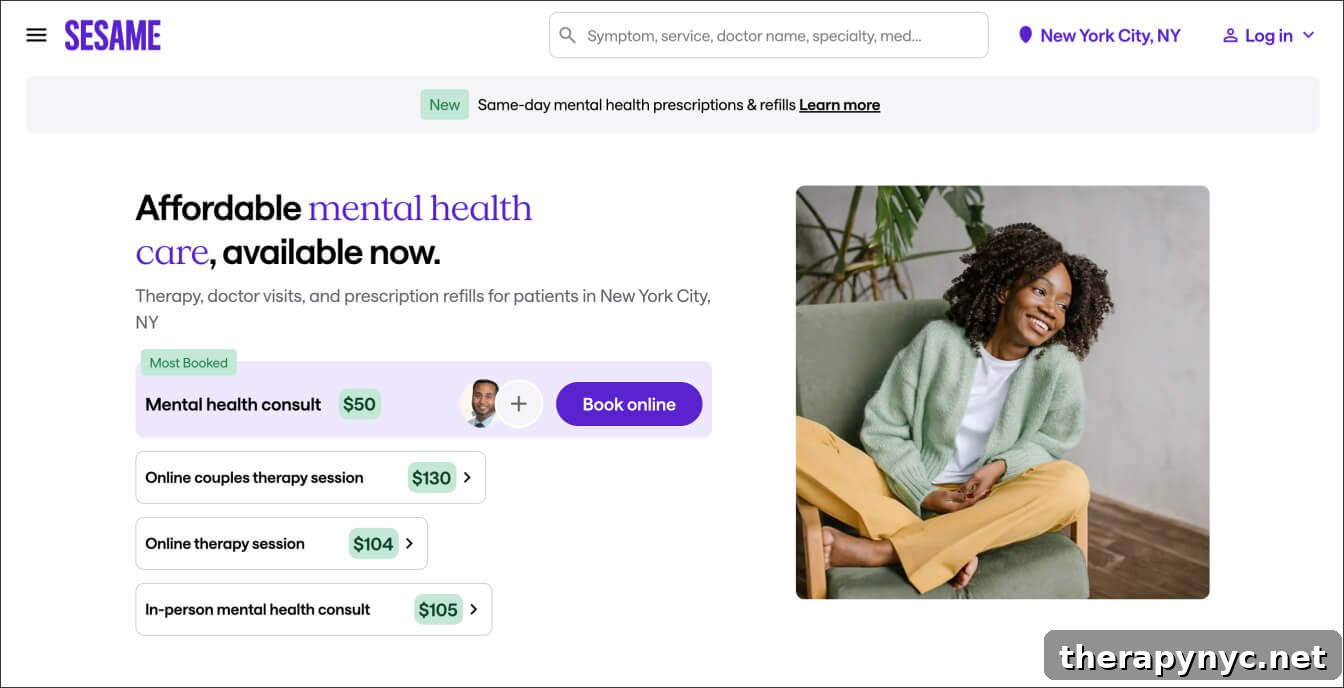
Sesame is a transparent marketplace for booking individual clinicians for mental and physical health services. It’s a good place to find an affordable initial appointment with a clinician who offers ADHD services, but because it’s a directory rather than a care network, continuity for long-term medication management may be harder to maintain.
Cost and insurance
- Does not accept insurance; HSA/FSA can be used for payments
- Cost without insurance: Low-cost subscription and pay-per-session options available
Features
- Transparent, cash-pay pricing
- Wide provider directory with telehealth and in-person options
- Good for one-time or episodic visits
Who it’s a good fit for
People without insurance or with high deductibles who want an affordable, no-commitment option for an ADHD evaluation.
| Pros | Cons |
|---|---|
| Transparent pricing and option to choose providers directly | Does not accept insurance |
| Available nationwide | Better for episodic visits than ongoing medication management |
5. Talkspace
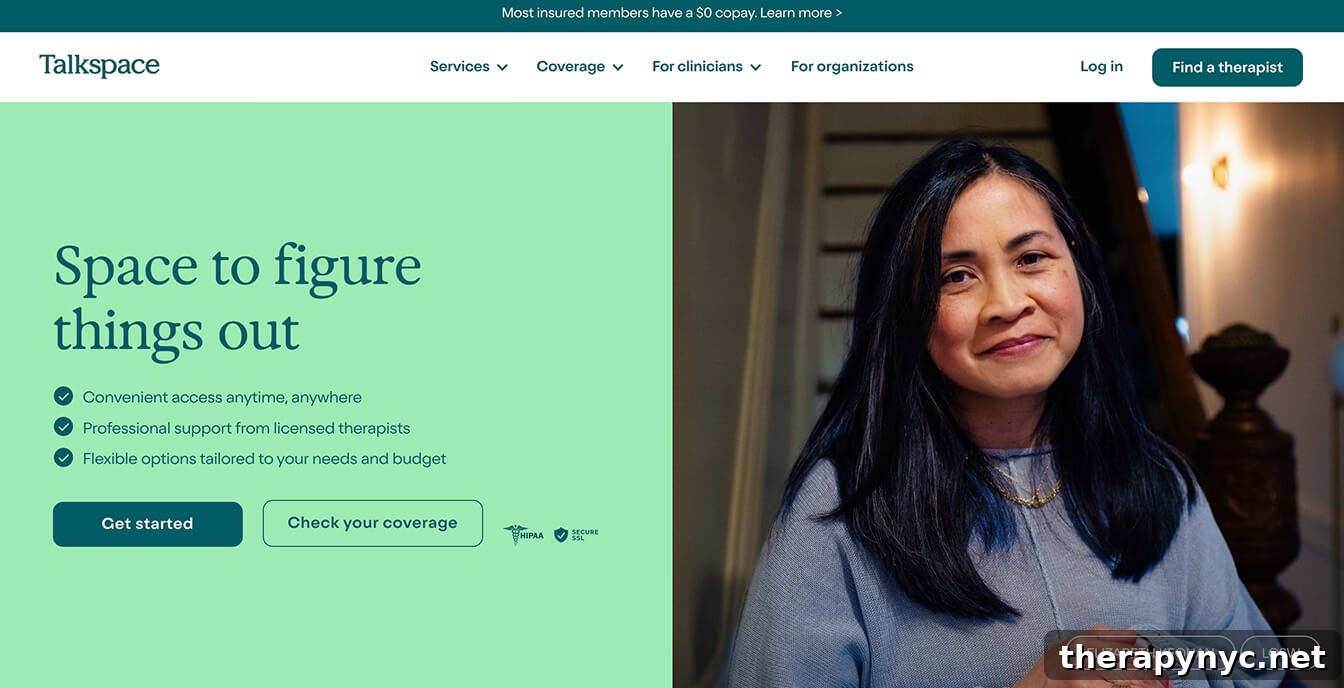
Talkspace offers therapy, psychiatry, and messaging-based care with subscription plans. It accepts many insurance providers and EAP programs, and its messaging feature is especially valuable for people who want ongoing support between sessions. However, medication management availability can vary, and the platform is subscription-oriented rather than pay-per-session.
Cost and insurance
- Accepts many major insurance providers and employer EAP programs
- Cost without insurance: Subscription tiers typically range by weekly pricing
Features
- Video, phone, and text-based therapy
- Video-based psychiatric evaluations
- Options for individuals, couples, teens, and specialized populations
Who it’s a good fit for
People who prefer an ongoing subscription model and value messaging access to their therapist between live sessions, especially when medication management is not the primary need.
| Pros | Cons |
|---|---|
| Unlimited messaging with therapist available at certain tiers | No in-person care |
| Multiple communication options | Subscription cost may be higher than pay-per-session |
6. ADHD Online

ADHD Online (Mentavi Health) focuses on thorough assessments using validated questionnaires, followed by telehealth-based diagnosis, therapy, medication management, and coaching. It offers clinician-reviewed diagnostic evaluations and, in many states, stimulant and non-stimulant prescribing. Insurance is not accepted, but HSA/FSA payments are typically supported.
Cost and insurance
- Does not accept insurance; HSA/FSA accepted
- Cost without insurance: Fees for initial diagnostic evaluations and follow-up sessions apply
Features
- Comprehensive, psychologist-reviewed assessments
- Ongoing management plans including medication and coaching
- Virtual-only appointments; therapy availability varies by state
Who it’s a good fit for
Adults seeking a detailed telehealth evaluation and people without insurance who want a high-quality, clinician-reviewed diagnostic process.
| Pros | Cons |
|---|---|
| Psychologist-reviewed diagnostics and pay-per-session pricing | Insurance not accepted |
| Therapy, medication, and coaching in one place | Therapy availability limited by state |
7. Circle Medical
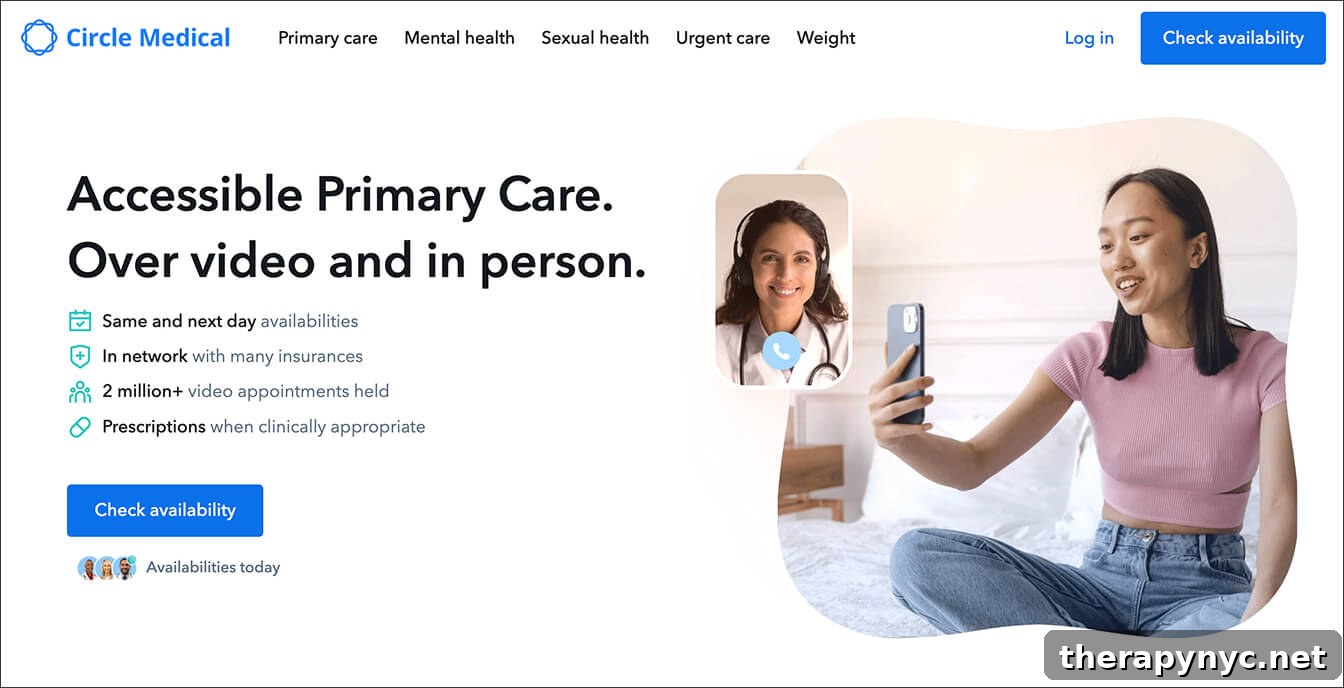
Circle Medical is a telehealth primary care platform that can manage uncomplicated ADHD presentations alongside general health needs. It often offers same- or next-day appointments and handles stimulant prescribing where state rules permit. Because care is routed through primary care physicians rather than psychiatric specialists, it’s best for straightforward ADHD cases without complex psychiatric comorbidity.
Cost and insurance
- Accepts select PPO insurance plans
- Cost without insurance: Typical fees for initial and follow-up visits
Features
- Primary care model with telehealth visits
- Same- and next-day appointments often available
- Stimulant prescribing where allowed by state law
Who it’s a good fit for
Adults with straightforward ADHD who want integrated primary and mental health care without switching platforms.
| Pros | Cons |
|---|---|
| Integrated care for general and mental health | Not suitable for complex psychiatric presentations |
| In-person visits at select locations | No dedicated therapy services in some regions |
8. BetterHelp
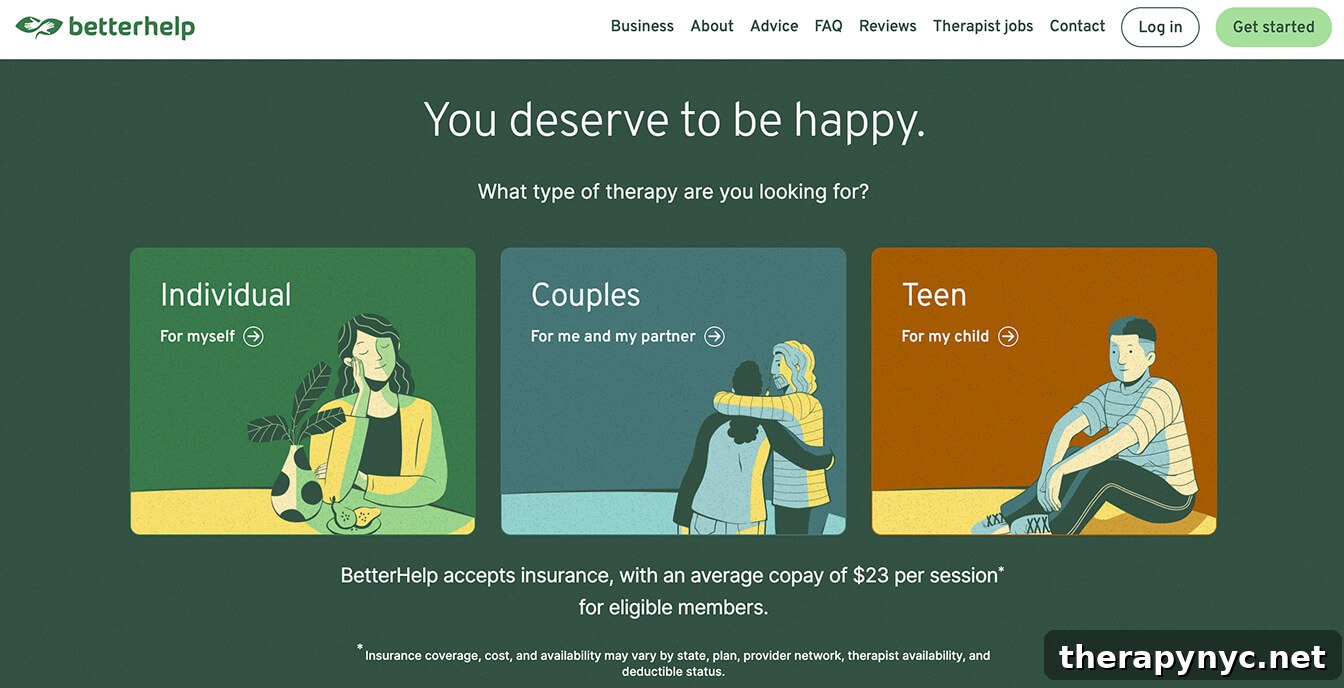
BetterHelp is one of the largest online therapy platforms, offering licensed therapists for many concerns, including ADHD-related behavioral support. It uses a subscription model with multiple communication formats (chat, phone, video). It does not provide medication management, so it’s mainly for those seeking therapy rather than combined medication-and-therapy care.
Cost and insurance
- Insurance acceptance is limited
- Cost without insurance: Subscription-based weekly pricing
Features
- Live chat, phone, and video sessions
- Unlimited messaging with a therapist available on some plans
- Group webinars and digital tools
Who it’s a good fit for
Self-pay clients who want flexible, subscription-based ADHD therapy and do not need medication management.
| Pros | Cons |
|---|---|
| No long-term commitment required | No medication management |
| Multiple communication channels | Insurance acceptance varies |
9. Teladoc

Teladoc is a broad telehealth provider that includes psychiatry and medication management alongside general medical services. Its broad insurance coverage and integrated tools for sleep, mood, and health tracking can be helpful for people juggling ADHD and other medical concerns. Teladoc works well for those who already have access through an employer-sponsored plan.
Cost and insurance
- Broad acceptance across employer-sponsored plans
- Cost without insurance: Per-visit fees apply
Features
- Medication management and psychiatric visits
- Video visits with therapists and psychiatrists
- In-network cost estimates and transparent pricing
Who it’s a good fit for
People who access Teladoc through employer benefits and want to add ADHD care without moving to a new platform.
| Pros | Cons |
|---|---|
| General medical and mental health on the same platform | May have higher per-visit costs than competitors |
| Interactive tools and supports | Providers are often matched rather than chosen by the client |
10. Talkiatry

Talkiatry is a telepsychiatry service staffed by board-certified psychiatrists providing ADHD evaluations and medication management. It typically delivers thorough initial evaluations and ongoing psychiatry-focused care. However, its availability depends on in-network insurance—self-pay is usually not accepted—so confirm coverage before scheduling.
Cost and insurance
- Appointments are billed through in-network insurance only
- Self-pay is generally not accepted
Features
- Board-certified psychiatrists
- Comprehensive psychiatric evaluations and medication management
- Consistent provider relationships for ongoing care
Who it’s a good fit for
Individuals with in-network insurance who need a thorough psychiatric evaluation and ongoing medication management from a psychiatrist.
| Pros | Cons |
|---|---|
| Offers extended evaluations and accepts patients ages 5 and up | Cannot accept self-pay; access limited to in-network patients |
| Therapy is available following psychiatric evaluation | Focus is primarily on medication management rather than therapy-first care |
What to look for in an online ADHD treatment provider
Not all platforms are created equal. When choosing an online ADHD provider, consider these essentials:
- Integrated care for co-occurring conditions: Anxiety, depression, sleep problems, and learning differences often accompany ADHD. A provider who understands these overlaps will create a more complete treatment plan.
- Insurance transparency: ADHD treatment frequently involves multiple appointment types and billing codes—confirm coverage and out-of-pocket costs up front.
- Ability to choose your provider: Look for platforms that let you browse provider profiles and pick someone who matches your needs rather than auto-assigning clinicians.
- Flexible scheduling: Evening and weekend appointments, easy booking, and reminders all support consistent care.
- Payment model that fits you: Decide whether pay-per-session, subscription, or insurance billing best matches how frequently you’ll need appointments.
The right ADHD treatment starts with Grow
The best online ADHD treatment depends on what you need: reliable access to ADHD psychiatrists and therapists, insurance coverage, the ability to choose your provider, and continuity as your needs evolve. For many people, a platform that accepts insurance, offers combined therapy and medication management, and gives you control over provider choice is the most practical path to consistent care.
Grow Therapy connects licensed ADHD clinicians without requiring a subscription and supports many insurance plans. If you’re ready to explore insurance-covered ADHD treatment and find a provider who fits your life and needs, start by comparing the options above and choosing the platform that aligns with your goals.