AI in Clinical Practice: What Clinicians Must Know

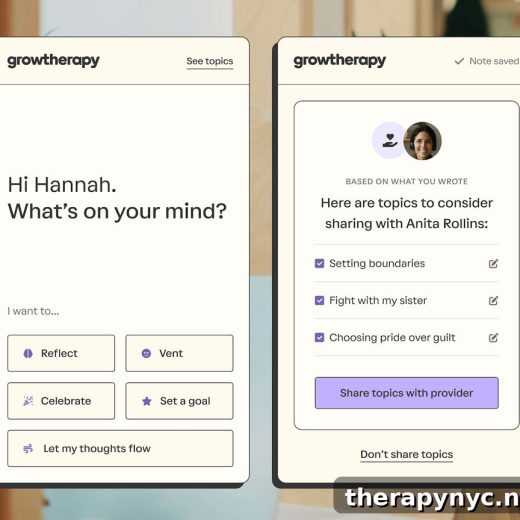
Your clients are already talking to AI about their anxiety, relationships, late-night ruminations, and everyday stress—often weeks or months before they bring these topics into session. Clinicians may feel skeptical, curious, or somewhere in between about AI in mental health. Regardless of your stance, these tools are present in many clients’ lives and can shape symptom presentation, coping strategies, and expectations about care. This guide synthesizes current research and real-world use to help clinicians understand what people are actually doing with AI, which claims hold up under scrutiny, and how to evaluate tools in a practical, ethical way.
In this report
-
How common AI use for mental health support already is among adults and teens, and why that changes what shows up in your intake conversations — an overview of how different populations engage with conversational agents, symptom trackers, and self-guided programs, and what clinicians should listen for when clients describe their coping tools.
-
What the clinical research actually supports, and the difference between tools that add value and tools that overreach — a pragmatic summary of evidence for AI-augmented assessments, automated psychoeducation, and digital interventions, plus limitations that matter for safety and efficacy in real-world practice.
-
A four-part framework for evaluating any AI product before you recommend or dismiss it — practical criteria focused on Evidence, Ethics, Clinical fit, and Cultural bias that help clinicians weigh claims, identify potential harms, and determine whether a tool complements your clinical approach.
-
A simple, nonjudgmental approach for asking clients about their AI use, without needing to have a firm opinion in advance — sample questions and conversation starters to surface useful details, understand impact, and integrate client-generated insights into treatment planning.
Download the report
Why this matters: AI tools can serve as low-threshold resources that clients use between sessions for emotional support, symptom tracking, or information. These interactions influence how people describe problems in intake, the strategies they attempt on their own, and their expectations for pace and content of therapy. Clinicians who understand both the potential benefits and the limitations of AI-based supports are better equipped to integrate client experiences into evidence-based care.
A practical four-part evaluation framework
-
Evidence: Does the product have transparent, peer-reviewed research or rigorous pilot data supporting its claims? Prioritize tools that report study design, sample characteristics, and outcome measures rather than relying solely on testimonials or marketing language.
-
Ethics: How does the tool handle safety, crisis escalation, privacy, and consent? Clinicians should look for clear policies on data use, accessible emergency instructions, and mechanisms to prevent or mitigate harm when users report suicidal ideation or severe distress.
-
Clinical fit: Does the tool align with your therapeutic model and the client’s treatment goals? Consider whether it complements rather than replaces key clinical tasks, and whether it might shift responsibility for clinical decision-making in ways that could confuse or burden the client.
-
Cultural and contextual bias: Is the tool designed and validated for the populations you serve? Evaluate language options, cultural sensitivity, and whether developers have tested performance across diverse demographic groups to avoid amplifying disparities in care.
How to ask clients about AI use
You don’t need to be an expert to open a useful conversation. Use neutral, curiosity-driven prompts that invite detail and reduce defensiveness. Examples include:
-
“Have you used any apps or chat tools to manage stress, mood, or sleep? If so, what do you find helpful or unhelpful about them?”
-
“When you talk with those tools, do you follow any advice they give? How does that affect what you try between sessions?”
-
“Have any of these tools told you to contact emergency services or seek immediate help? What happened next?”
-
“Would you like to try integrating something you already use with our work here, or would you prefer we avoid external tools?”
These questions help you learn whether a client’s AI use is adaptive, neutral, or potentially harmful, and they create openings to set boundaries, agree on safety plans, and incorporate helpful digital practices into treatment plans.
This report is designed to give clinicians actionable insight into how AI is influencing mental health care today and to provide simple tools for evaluating and discussing AI with clients. Use the framework and conversation starters to make informed, ethical choices about which technologies to recommend, monitor, or discourage in clinical practice.