Burnout Recovery Strategies for Women with ADHD

Feeling drained, unmotivated, and lacking confidence are common elements of ADHD burnout. When daily responsibilities pile up and it becomes difficult to complete tasks or stay connected to personal goals, the exhaustion from ADHD burnout can affect every part of life.
ADHD burnout describes a state of physical, mental, and emotional depletion tied to the ongoing effort of managing ADHD symptoms. It often follows extended periods of stress or intense focus, including episodes of hyperfocus where a person becomes so absorbed in an activity that they tune out other demands. For many women with ADHD, juggling work, relationships, parenting, and self-care while navigating persistent symptoms can increase vulnerability to burnout.
If this resonates, you are not alone. The next sections explain how ADHD burnout often appears in women, why it can be prolonged, and practical, evidence-informed ways to recover and build resilience.
Understanding ADHD burnout in women
ADHD is a neurodevelopmental condition characterized by inattention, impulsivity, and often high levels of mental restlessness. The chronic effort required to compensate for these differences—masking symptoms, meeting social expectations, or maintaining high standards—can gradually lead to burnout. Rather than being a direct consequence of ADHD itself, burnout frequently results from repeatedly trying to function within systems and roles that are not well suited to an ADHD brain.
Adults experiencing ADHD burnout commonly report feeling emotionally and mentally drained with little energy to perform routine tasks. They may notice reduced productivity, difficulty initiating or completing tasks, overwhelming stress, and a persistent sense of defeat.
Typical signs of ADHD burnout include:
- Emotional exhaustion and numbness
- Severe mental fatigue and brain fog
- Low motivation and reduced interest in activities
- Declines in productivity and performance
- Task paralysis or being unable to start or continue tasks
- Chronic stress and feelings of being overwhelmed
- Somatic symptoms such as headaches, stomach aches, or muscle tension
- Irritability and difficulty sustaining focus
- Mood swings, negativity, or increased cynicism
The way burnout shows up can be shaped by gender roles and expectations. Women often face pressure to meet many relational and household demands while also coping with emotional labor and fluctuating hormones, which can worsen exhaustion and emotional sensitivity.
Gender differences in ADHD symptoms
ADHD can look different in women than in men. Women are more likely to present with inattentive symptoms, internalized struggles, and co-occurring conditions such as anxiety, depression, or disordered eating. These differences can mean that ADHD is missed or misdiagnosed, and women may seek help for mood symptoms without the underlying ADHD being recognized. That delay can allow burnout to build over time.
Sensory overload and overstimulation are also frequently reported among women with ADHD, intensifying stress and contributing to emotional overwhelm. Because symptoms can fluctuate with hormonal cycles and life stages, the experience of burnout may change over time and require tailored strategies.
How long does ADHD burnout last?
The duration of ADHD burnout varies. Without targeted support, symptoms can persist for weeks or months and sometimes recur. Three key factors that influence how long burnout lasts are:
- The severity and pattern of ADHD symptoms
- Personal and professional demands such as caregiving, work deadlines, and household responsibilities
- Access to and effectiveness of coping tools like therapy, medication, rest, and clear boundaries
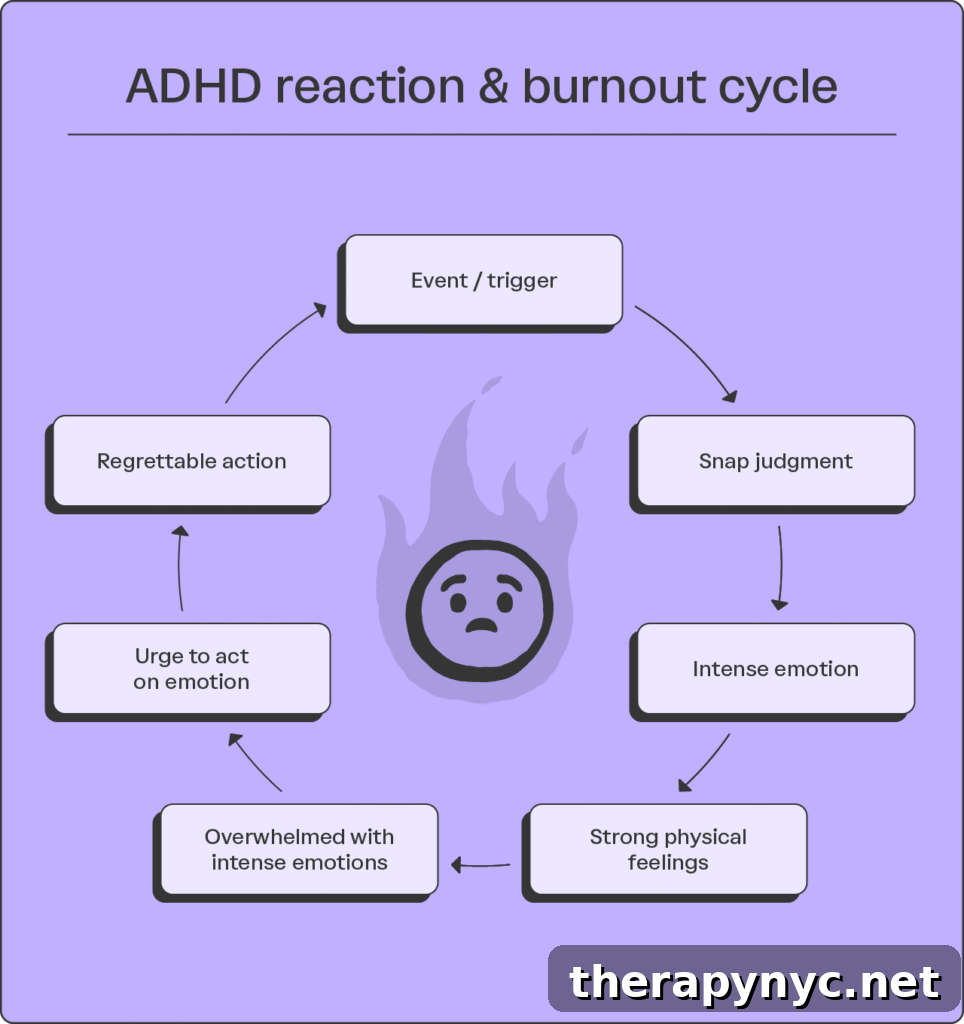
A lack of recognition or treatment can allow stress to accumulate, creating a cycle in which unmanaged ADHD symptoms and mounting responsibilities feed each other and deepen burnout. Interrupting that cycle by addressing both symptoms and environmental demands is essential to recovery.
ADHD burnout coping strategies and recovery
Awareness is the first step: noticing how symptoms impact your energy, mood, and functioning makes it easier to take targeted action. Recovery from ADHD burnout usually combines lifestyle adjustments, skills-building, social support, and, in some cases, professional treatment.
Build a foundation for well-being
Consistent routines, balanced nutrition, regular exercise, and good sleep hygiene create a physiological foundation that helps the brain regulate attention and emotions. Small, steady improvements in these areas can reduce baseline stress and improve resilience against burnout.
Mindfulness and stress reduction
Practices that lower arousal and increase present-moment awareness can reduce reactivity and prevent overwhelm. Useful approaches include journaling, meditation, breathing exercises, gentle yoga, or mindful walking. These tools help interrupt cycles of anxiety and impulsivity, making it easier to respond rather than react.
Therapy and medication
Therapy provides space to process emotions, develop coping skills, and learn strategies specific to ADHD-related challenges. Cognitive behavioral therapy (CBT) in particular can help reframe unhelpful thinking patterns, address avoidance, and build practical routines.
For many people, medication prescribed by a qualified clinician can reduce core ADHD symptoms enough to make behavioral strategies and daily routines more effective. Medication decisions should be individualized, monitored carefully, and combined with psychosocial supports.
Time management and organization
Clear structure reduces the mental load that fuels burnout. Strategies include:
- Creating a predictable daily schedule that includes wake time, meals, work blocks, and rest
- Breaking tasks into short, concrete steps to avoid overwhelm
- Using focused work rhythms such as bursts of concentrated work followed by brief breaks
- Rewarding progress with small, enjoyable incentives to reinforce habits
Practical habits—like limiting notifications, keeping to-do lists short (no more than three priorities), and protecting sleep—also lower friction and preserve energy.
Social support
Connection with friends, family, peers, or support groups provides emotional validation, practical assistance, and accountability. Group programs or coaching tailored to women with ADHD can be particularly helpful for sharing strategies and reducing isolation.
Self-care and boundaries
Prioritizing activities that restore energy—creative hobbies, movement, time in nature, or meaningful social contact—is a vital part of preventing and recovering from burnout. Learning to set limits and say no to requests that drain you protects your capacity for the things that matter most.
The role of therapy in managing ADHD burnout
Professional support helps people identify emotional triggers and develop realistic, personalized plans to manage symptoms and rebuild stamina. Therapists can teach skills for emotional regulation, organization, and self-compassion and can coordinate care with prescribers when medication is considered.
Cognitive behavioral therapy
CBT offers concrete tools to change unhelpful thought patterns, reduce avoidance, and build adaptive routines. It is widely used to address both ADHD symptoms and the anxiety or depression that often co-occur with burnout.
Coaching and support groups
Specialized ADHD coaching and peer support groups provide practical strategies, accountability, and community. These resources can help women find routines and systems that match their strengths and needs.
Mindfulness and stress management
Mindfulness-based practices and stress-reduction techniques enhance emotional resilience and improve the ability to focus. Regular practice of breathing exercises, progressive muscle relaxation, and short meditative techniques can lower physiological arousal and increase a sense of calm.
Emerging perspectives
Research continues to explore how hormonal cycles, individualized pharmacotherapy, and strength-based neurodiversity approaches influence ADHD in women. Attention to biological, social, and environmental factors together offers more personalized and effective strategies for prevention and recovery.
The bottom line
ADHD burnout in women is a common and often misunderstood source of distress. Because symptoms can be internalized or misattributed, many women struggle without a clear explanation. Recognizing burnout, seeking appropriate supports, and putting practical, sustainable strategies in place can restore energy, reduce overwhelm, and improve quality of life.