Cultural Humility and Trauma-Informed Care for Older Minorities
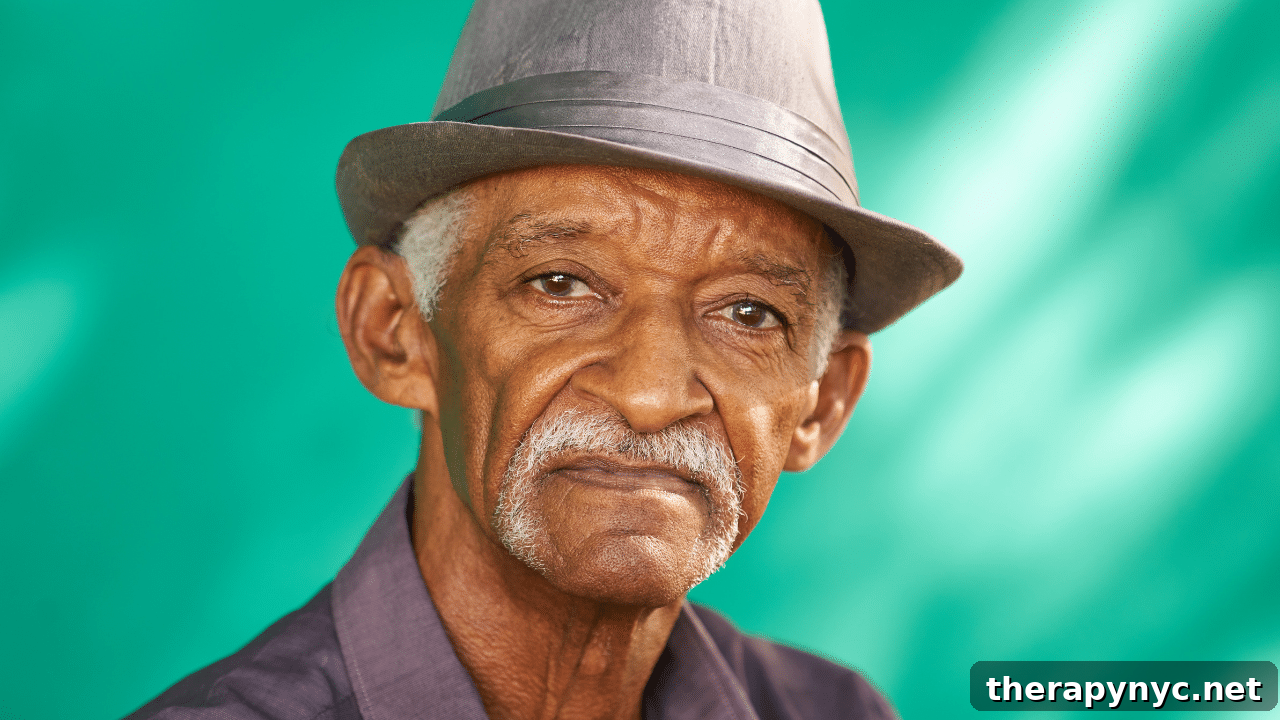
A few years ago I worked with Mr. Davis, an 85-year-old Black man and a devoted Jehovah’s Witness. He came to therapy after a separation from his wife that affected his standing in his congregation. New health problems were emerging, and he arrived wondering, “Who will be there for me?”
To help me understand his world, Mr. Davis brought in several Jehovah’s Witness pamphlets. I accepted them and asked him to explain why those materials mattered. On the surface I took appropriate steps, but beneath I found myself skeptical of his faith. I began to project my negative experiences with fundamentalist Christianity onto him. In sessions I focused more on the points of conflict between him and his congregation than on the support and belonging he experienced there.
I am a White woman in my early 40s who had left a fundamentalist Christian background. I prided myself on offering culturally humble care and had years of experience doing so, yet with Mr. Davis I was failing. My emphasis on conflict added turmoil when he was seeking belonging, not reasons to leave. My instinct to protect him risked creating a white-savior dynamic and could have disempowered him in a moment of vulnerability. Only through sustained self-reflection, consultation, and humility did I recognize how my unconscious bias had shaped the therapy.
When working with older adults—especially those with minoritized identities—it is essential to foster environments of dignity, healing, and respect. Combining trauma-informed care (TIC) with cultural humility (CH) supports that goal.
TIC recognizes how trauma can shape physical, emotional, and mental well-being. CH emphasizes openness to diverse life experiences, values, and identities. Together these approaches help providers deliver compassionate care that respects older adults’ lived experience, creates safety and trust, and empowers individuals to participate in their healing.
Older Adults and Trauma
Research shows that many older adults have experienced traumatic events that can produce long-lasting effects such as post-traumatic stress and ongoing stress reactions. Estimates of PTSD prevalence in older adults vary, and symptoms often present differently than in younger populations.
Stress responses may include increased anxiety, hypervigilance, intrusive memories, or emotional distress tied to past trauma. Recognizing how trauma specifically affects minoritized older adults is crucial: systemic oppression, discrimination, and social inequities often compound traumatic impact. In this context, trauma interacts with intersecting identities in ways that can profoundly affect an older person’s health and quality of life.
The Role of Resilience in the Lives of Older Adults
Resilience—the capacity to recover, adapt, and find meaning after adversity—is a defining strength for many older adults. Despite facing hardship and trauma, many draw on a lifetime of experience, accumulated knowledge, and practical skills that support coping and recovery.
For minoritized elders, resilience often reflects not only individual resources but also cultural identity, community bonds, and collective history. Cultural pride, shared rituals, and community solidarity are protective factors that support recovery and emotional well-being. Practitioners can strengthen resilience by honoring cultural practices and by connecting clients to community resources and supports that reinforce identity and belonging.
Trauma-Informed Care and Cultural Humility
TIC acknowledges the widespread impact of trauma and focuses on creating environments that promote safety, empowerment, and healing. CH asks providers to approach each person with curiosity, respect, and an appreciation for cultural differences that shape health and meaning. Both frameworks align around patient-centered care that is sensitive to individual histories and identities.
Trauma-Informed Care
TIC rests on six core principles that guide providers in delivering trauma-sensitive care:
- Safety: Prioritize physical safety and create an emotionally secure environment where people can share their experiences without fear.
- Trustworthiness and Transparency: Communicate clearly and consistently; be honest about limits and commitments.
- Peer Support: Facilitate opportunities for survivors to connect with others who understand their experience.
- Collaboration and Mutuality: Involve clients in decision-making and develop treatment plans together.
- Empowerment, Voice, and Choice: Support clients’ autonomy, encourage expression of preferences, and help them make informed choices.
- Cultural, Historical, and Gender Awareness: Attend to the cultural and historical context of trauma and how gender and power dynamics affect healing.
Cultural Humility
Cultural humility is a stance of lifelong learning and self-reflection that seeks to address power imbalances and promote equity. Key practices include:
- Engage in ongoing learning and critical self-reflection.
- Recognize and challenge power imbalances related to race, language, gender, sexuality, and socioeconomic status.
- Work to build and maintain trust through respectful communication.
- Form collaborative partnerships and center clients’ expertise about their lives.
- Identify and address bias and adapt care to the individual needs of older adults and their families.
- Create culturally safe, inclusive environments where differences are respected and valued.
Benefits of Integrating Trauma-Informed Care and Cultural Humility
When TIC and CH are woven into clinical practice and health systems, they help create settings that promote healing, dignity, and equitable care. Expected benefits include:
- Stronger Engagement and Trust: Clients who feel culturally understood and respected are more likely to engage in care and trust providers.
- Improved Clinical Outcomes: Trauma-aware and culturally responsive approaches support symptom reduction, better functioning, and greater satisfaction with care.
- Reduced Disparities: Recognizing systemic barriers and social determinants of health helps address inequities in access and outcomes.
- Greater Cultural Competence Across Teams: Ongoing humility and learning expand providers’ understanding of diverse beliefs and practices.
- Better Organizational Health: TIC and CH can improve staff morale, reduce burnout, and strengthen an organization’s capacity to serve diverse older adults.
TIC and CH: A Case Study
Ms. Thompson is a 75-year-old Black woman seeking help for emotional distress and recurring nightmares linked to childhood sexual trauma she never treated formally. A recent move and the loss of a familiar church community preceded the emergence of symptoms. She worked as a middle school teacher for 40 years and attended a segregated school; she had been active in her African Methodist Episcopal church before relocating. The following outlines how TIC and CH principles can guide her care.
- Establish Safety and Trust: Prioritize consent, boundaries, and clear communication about confidentiality. Validate Ms. Thompson’s experience and acknowledge how trauma and systemic racism have intersected in her life. Active listening and empathy help create a safe space for her to tell her story.
- Recognize and Challenge Power Imbalances: Be explicit about how race, gender, and social status shape access to care and healing. Discuss marginalization and compounded disadvantages openly, and involve Ms. Thompson as a partner in treatment decisions. Non-Black providers and men should be particularly attentive to historical and present power dynamics.
- Collaborate: Treat Ms. Thompson as the expert on her life. Listen to her goals, co-create the treatment plan, and respect her choices. Collaboration strengthens trust and supports engagement.
- Adapt Evidence-Based Therapies to Fit Culture: Understand how racism and oppression have impacted her trauma responses. Provide trauma-focused psychoeducation that normalizes reactions and removes blame. Integrate culturally relevant interventions—such as storytelling, art, narrative approaches, or spiritual practices—that align with her identity and promote healing.
- Address Provider Bias: Continually reflect on assumptions and biases that can distort care. Practicing humility and seeking supervision or consultation helps keep treatment equitable and respectful.
- Commit to Lifelong Learning: Stay informed about the lived experiences of Black older adults and the specific needs of Black women survivors. Adjust approaches based on Ms. Thompson’s feedback and evolving needs to ensure culturally responsive, effective care.
Combining TIC and CH is invaluable when working with people who have faced marginalization. These principles promote dignity, belonging, and more effective healing for older adults from diverse backgrounds.
To put these ideas into practice, clinicians must engage in ongoing self-reflection, recognize and address personal biases (as I did with Mr. Davis), seek cultural education, and listen closely to clients. Doing so can transform the care experience so that individuals with complex trauma histories and rich cultural backgrounds receive the compassionate, effective support they deserve.
Please note: Names and identifying details have been changed to protect patient confidentiality.
This article was originally written by Dr. Regina Koepp for the American Society on Aging’s Generations Today (July–August 2023), entitled “Building Trust and Healing After Trauma.” ASA holds the copyright for the original piece.