Culturally Competent Care for LGBTQ+ Older Adults
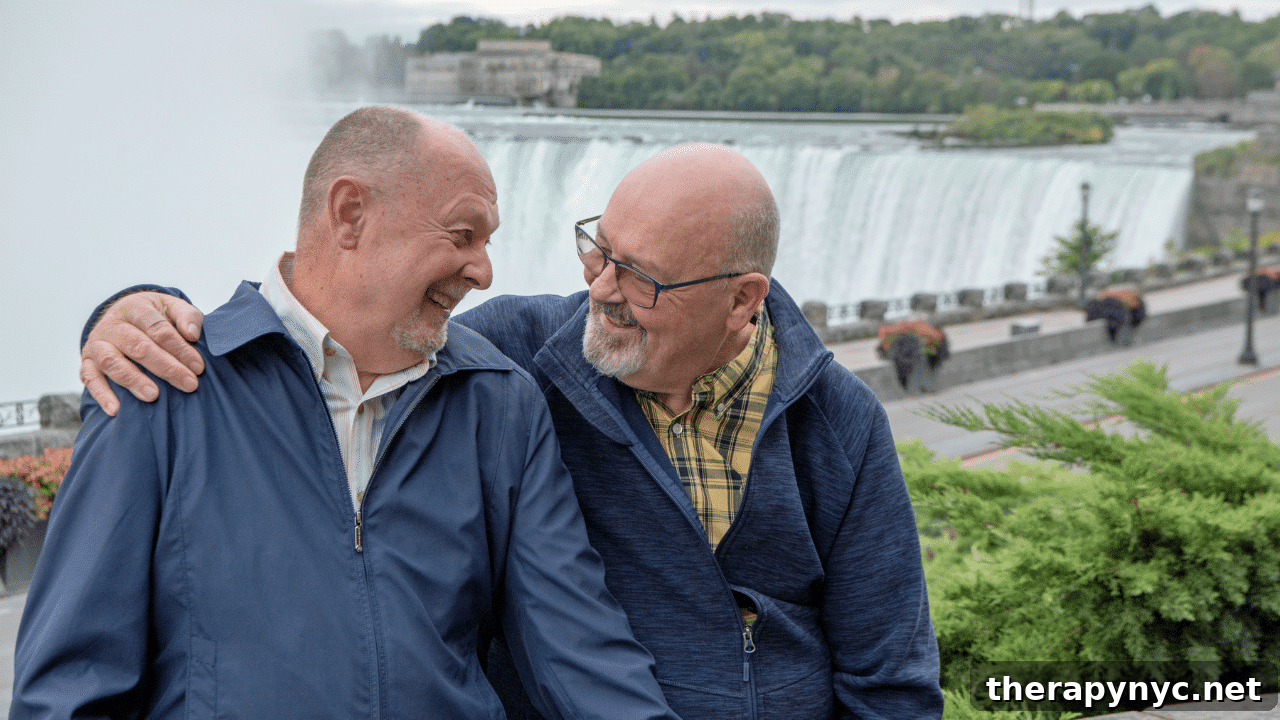
A clinician in my Mental Health + Aging Certificate program recently raised an important question after completing the opening module. That module establishes who we serve in therapy, explores intersecting identities, presents key statistics, and names the harm caused by queerphobia, racism, classism, and other systemic oppressions.
He asked: “I’m concerned about the emphasis on LGBTQ+. Why? Only 4–5% of older adults identify as LGBTQ+. I’m just not getting it.”
I welcomed the question. It showed he was critically reflecting on how we prioritize learning—exactly the kind of thinking effective training should encourage.
His assumption deserves a clear response because it’s common and rests on a basic misunderstanding of equitable, needs-based clinical education.
Training time should not be distributed strictly by population size. It should be allocated according to clinical need, historical harm, and the gap between what providers currently know and what clients require. LGBTQ+ older adults sit at the intersection of all three factors.
In one six-week period, two older men I was treating for depression and anxiety—each married to a woman—disclosed histories of same-sex relationships. Both loved their spouses, yet both expressed deep grief about the parts of themselves they had suppressed and feared they would never experience the kind of intimate love they had once known. We spent sessions processing the harm caused by queerphobia, grieving missed opportunities, and creating a space where their identities could be acknowledged and respected.
It’s our responsibility as clinicians to help repair the damage inflicted on LGBTQ+ clients who have been excluded from communities, relationships, and recognition—both historically and presently.
Neither of those clients would have disclosed without a therapeutic environment that invited safety and trust. If I had assumed, based on age and opposite-sex marriage, that their sexual histories were settled, they likely would have remained silent.
Don’t assume your older client is straight.
Ageism, Queerphobia, and the Harm of Invisibility
Helping clinicians recognize the pervasive damage of ageist assumptions can be challenging. Layer on LGBTQ+ identity, and that damage intensifies. Ageism and queerphobia combine to create distinct vulnerabilities for LGBTQ+ older adults.
Research shows many LGBTQ+ older adults fear being forced back into the closet when moving into long-term care, and a significant number do conceal their sexual orientation for safety and security. For transgender older adults, the stakes can be extreme; some have reported preferring death over entering long-term care—a reflection of decades of stigma and exclusion (Fredriksen-Goldsen et al., 2013). This is a clinical reality clinicians must understand.
Our Field Caused Harm—and We Have an Obligation to Repair It
Many LGBTQ+ older adults lived through eras of active persecution and medical pathologizing. Same-sex relationships were labeled pathological in the DSM until 1973, and some generations experienced government-sanctioned discrimination. Mental health professionals and institutions contributed to that harm.
Providing focused, competency-based education about LGBTQ+ aging is one concrete step toward repairing that legacy and ensuring clinicians do not perpetuate harm through ignorance or assumption.
Mental Health Burden Carried by LGBTQ+ Older Adults
Depression, anxiety, loneliness, and suicidality are more common among LGBTQ+ older adults, a pattern consistent across studies and decades. In a national sample of LGBT older adults, nearly one-third screened positive for depression—significantly higher than heterosexual peers (Fredriksen-Goldsen et al., 2013).
A large 2023 population-based analysis using Behavioral Risk Factor Surveillance System data found higher depression rates among LGBT+ older adults (22% vs. 15%), greater loneliness, higher likelihood of being unmarried or unpartnered (61% vs. 46%), and disproportionate rates of lower income, food insecurity, and housing instability (Flatt et al., 2025). These differences are consistent, measurable, and clinically meaningful.
Longitudinal research from the Canadian Longitudinal Study on Aging showed that LGB adults experienced persistently higher psychological distress and lower life satisfaction over time, with bisexual adults facing particularly persistent disparities (Courtice et al., 2025). The authors attribute these outcomes to cumulative minority stress rather than identity itself.
Suicidality mirrors these patterns. A large study using VA data found higher rates of suicide and overdose deaths among LGBT Veterans in initial analyses; further examination pointed to minority stress, stigma, and untreated health vulnerabilities as driving factors (Beaudreau et al., 2026). These are modifiable risks—intervention matters.
LGBTQ+ older adults are also more likely to live alone or be estranged from family, which reduces informal support at precisely the time when social connections matter most (Fredriksen-Goldsen et al., 2013).
A client’s grief, withdrawal, or anxiety may stem from histories you won’t notice unless you’ve been trained to look.
What appears to be depression may be grief for a partner the client could never marry. Withdrawn behavior may reflect decades of assessing safety in every room. Anxiety may be a lifetime of learning that self-disclosure is dangerous. You can’t address these issues if you’re not prepared to recognize them.
The “4–5%” Figure Undercounts a Hidden and Growing Population
While roughly 4–5% of older adults currently identify as LGBTQ+, younger cohorts report much higher rates—Gallup found about 20% of Gen Z identifies as LGBTQ+ (Gallup, 2024). Lower reported rates among older adults reflect the long-term impact of criminalization, stigma, and medicalized shame, not an inherently smaller population.
Many older adults with same-sex histories or relationships do not disclose on surveys or intake forms because disclosure has historically been unsafe. They will, however, sit across from a clinician. Clinicians need the skills to invite disclosure without assumption and to respond competently when it occurs.
Equity in Training: Match Time to Need, Not to Numbers
Equitable training means allocating curriculum time where the clinical need and potential for harm are greatest, not distributing time equally across all topics. We apply this logic to dementia care: only about 1 in 10 people over 65 has dementia, yet dementia receives substantial curricular attention because the stakes and training gap are high. The same rationale supports focused education on LGBTQ+ aging.
The central question is not “How many of my clients identify this way?” It’s “Am I clinically prepared to serve the ones who do?”
The question isn’t “How many?” It’s “Am I prepared?”
Practical Implications for Your Practice
You may already be treating LGBTQ+ older adults without realizing it. Your intake questions or paperwork might unintentionally signal that disclosure isn’t safe. You might miss grief that presents as depression or social isolation rooted in family rejection decades earlier.
Including LGBTQ+ aging in training is not a check-box exercise. It makes you a more thoughtful, inclusive, and ethical clinician—someone who can see the whole person sitting in front of them. That is a professional responsibility in the fields of mental health and aging.
Instead of asking “Why focus on LGBTQ+ older adults?” consider these questions:
- “What can this teach me about how I perceive the world and the person I’m treating?”
- “How do I hold universal experiences of aging alongside each person’s unique history?”
- “How am I showing up for clients in ways that honor who they are?”
And for the clinicians willing to reflect more deeply:
- “How might my own practice contribute to the minority stress clients carry, and what will I change to reduce that burden?”
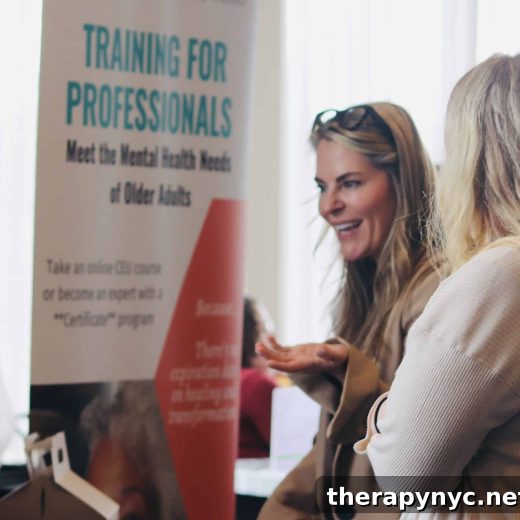
These questions are difficult but necessary. If you are ready to engage with them, our mental health and aging training programs are designed to support that growth.
Systemic oppression creates tangible, measurable harm—and it can be mitigated through informed, compassionate practice. Change begins with clinicians who are willing to learn and do better.