Psychology of Aging Podcast: Cognitive Aging Research & Stories
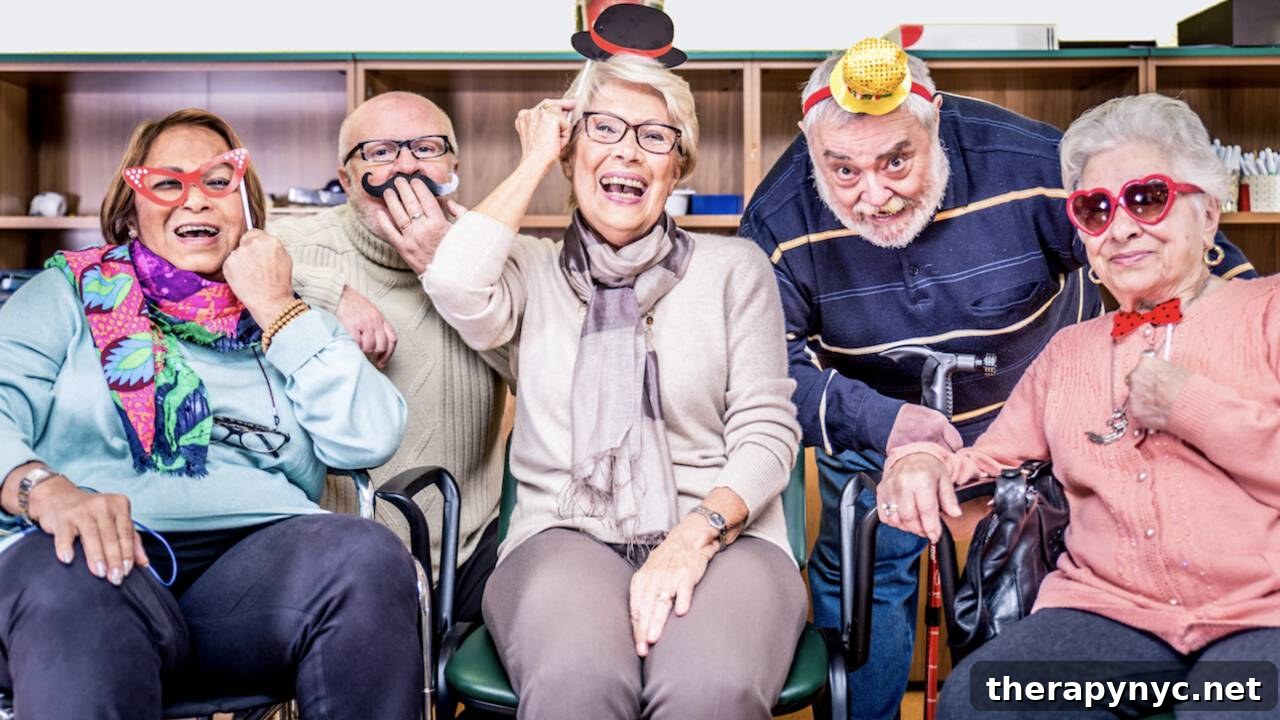
Did you know that people aged 65 and older are the fastest-growing demographic in the United States?
Between 2011 and 2030, an average of 10,000 Americans turn 65 each day. Every day for nearly two decades, 10,000 people reach this milestone. Consider what that scale means for families, communities, health care, and public policy.
Recently my neighbor told me it was his 65th birthday. I thought, “There are 9,999 other people celebrating 65 today.” To everyone turning 65—Happy Birthday. I hope this year brings health, purpose, and joy.
Most adults 65 and older report that they don’t feel “old.” The baby boom generation (born between 1946 and 1964) overall represents one of the healthiest and most active cohorts to enter older adulthood. They resist being labeled as “old” and are reshaping expectations about aging. It’s essential that we examine and discuss how society understands the needs, dynamics, and psychology of aging in today’s world.
What is the “Psychology of Aging”?
-
Psychology is the scientific study of mind and behavior. It combines service-oriented health care with rigorous research. Psychologists can serve as clinicians, researchers, educators, and advocates. Gero-psychology (or geropsychology) focuses specifically on aging: clinicians and researchers in this field provide mental health care for older adults and families, study normal and pathological aspects of aging, address common age-related challenges, and promote well-being and resilience in later life.
-
Aging is multifaceted and described by many theories. While aging can bring physiological vulnerability, decline, and loss, it also brings strengths. Older adults often report greater life satisfaction, perspective, and emotional regulation than middle-aged adults. Many display wisdom, broader viewpoints, and a secure sense of identity rooted in accomplishments and life experience.
Putting these ideas together, the psychology of aging examines thoughts, emotions, behaviors, and relationships in the context of growing older. It explores how people adapt to life transitions, maintain meaning and connection, and respond to health, social, and cognitive changes across later life.
The Podcast Name I Rejected
When naming this podcast I considered the term “Silver Tsunami.” At first it seemed like a vivid metaphor for the large cohort of baby boomers entering older adulthood. On reflection, however, the phrase is problematic: it evokes fear, destruction, and inevitability, and can reinforce ageist attitudes.
Tsunamis are catastrophic events; they imply something to be feared and avoided. Using that metaphor to describe older adults can shape how people think and behave toward aging. Imagine hearing a warning cry: “The aged are coming.” That language primes a defensive reaction rather than encouraging curiosity, respect, or mutual benefit.
Metaphors influence perception and behavior. If aging is framed as a threat, people may respond by trying to hide or resist natural changes. Alternatively, if we frame longer life as an opportunity—one supported by better medicine, more resources, and accumulated wisdom—society can learn to value what older adults contribute: experience, knowledge, mentorship, and social cohesion. Changing the narrative invites collaboration rather than fear.
What Qualifies Me to Talk About the Psychology of Aging?
I’m Dr. Regina Koepp, and I’m glad you’re here. I am Stanford-trained and specialize in clinical geropsychology. I am the founder and director of the Center for Mental Health and Aging. I also served as an Assistant Professor in the Department of Psychiatry at Emory University and worked as a clinical geropsychologist in an outpatient mental health clinic for older adults at the Atlanta VA Health Care System.
In addition to clinical work, I have taught the Psychology of Aging in a graduate gerontology program. That combination of clinical practice, teaching, and research informs how I approach conversations about aging: with evidence, empathy, and a focus on practical strategies that support health and dignity in later life.
The Goal of the Psychology of Aging Podcast
This podcast is for older adults and for people who care for them—family members, friends, clinicians, and anyone interested in healthy aging. My aim is to create open dialogue and public education to build bridges between generations, dispel myths, challenge stereotypes, and promote well-being for older adults and their families.
Each week I address common issues related to aging: the aging process itself, relationships, intimacy, driving, work and retirement, health and wellness, medical illnesses, dementia, caregiving, end-of-life concerns, and more. I approach these topics with clinical insight, respectful language, and a focus on practical guidance.
“No topic is off topic; we just have to have a healthy way of talking about it.”
Instead of fearing aging or treating it as a threat, consider embracing this stage of life. With thoughtful conversation, accurate information, and mutual respect, aging can be a time of growth, connection, and meaningful contribution. Settle in, listen, and join the journey—later life can be one of the richest chapters.
To listen to episodes of the Psychology of Aging podcast, visit the Center for Mental Health and Aging website and search for the podcast by name.