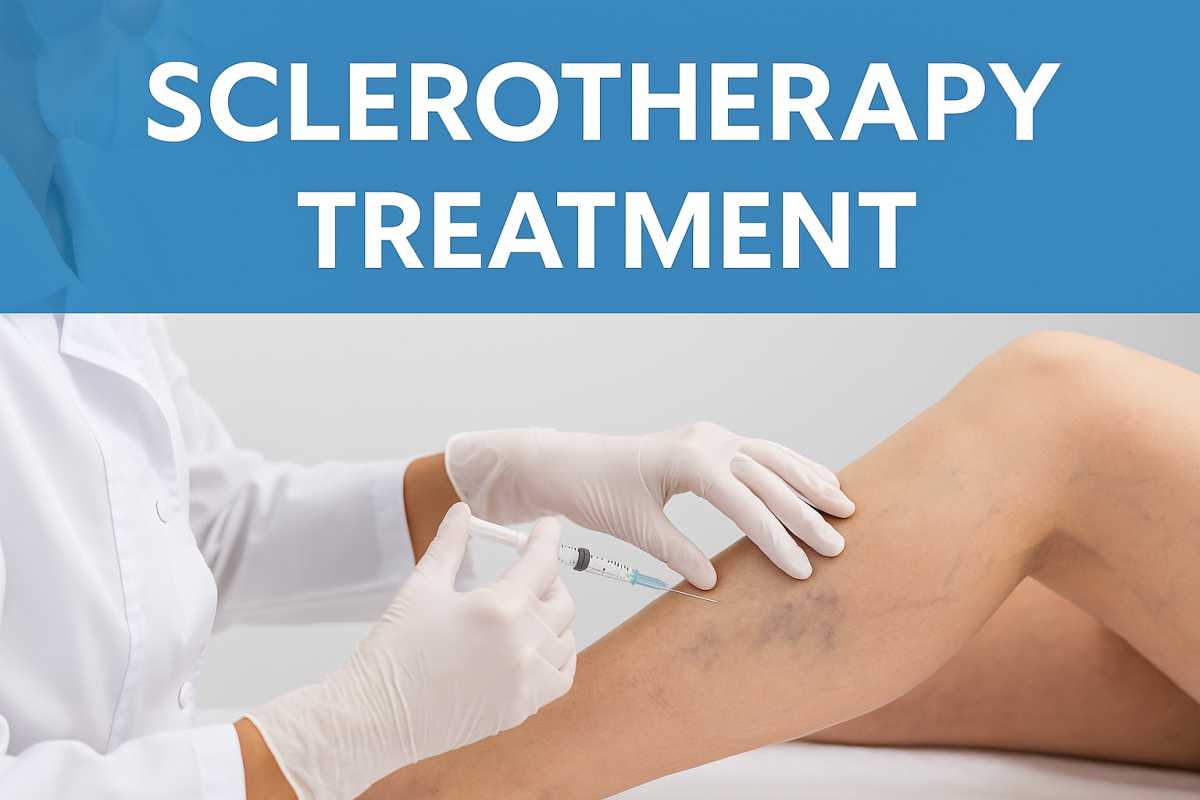
Sclerotherapy Treatment is a minimally invasive option used to treat certain vein and vascular concerns, including spider veins, varicose veins, and in some cases hemorrhoid-related issues. Instead of removing veins surgically, this procedure works by injecting a specialized solution into the affected vein, helping it collapse and gradually fade or be reabsorbed by the body. Because it is often performed in-office and usually involves limited downtime, many patients consider it a practical alternative to more invasive vein procedures.
In 2026, Sclerotherapy Treatment is no longer viewed only as a cosmetic solution. For the right patient, it may also support medical goals such as reducing discomfort, improving circulation-related symptoms, and managing visible or problematic veins. Still, results depend on proper diagnosis, patient selection, treatment technique, and follow-up care. This guide explains how the procedure works, what it may help treat, what to expect before and after treatment, and which questions to ask your doctor before moving forward.
What Is Sclerotherapy? How It Works
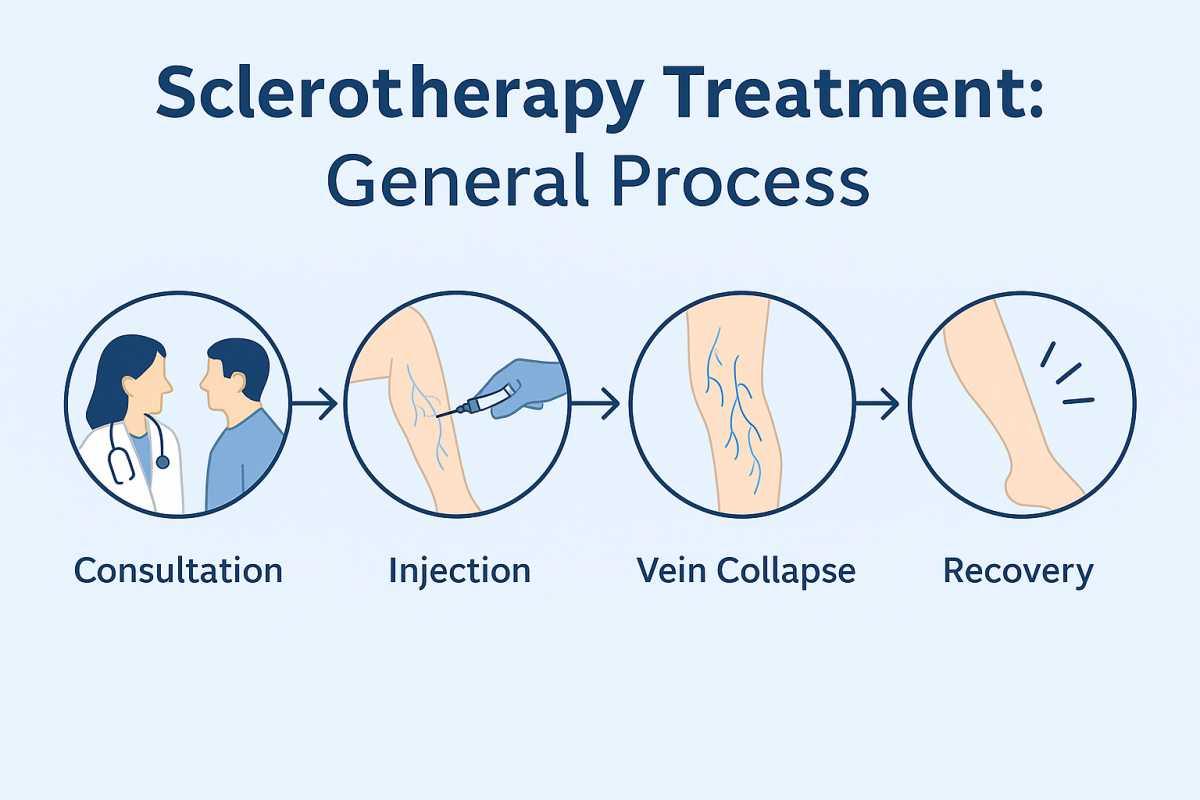
At its essence, sclerotherapy is about triggering a controlled closure of unwanted veins. A sclerosant (a chemical agent) is injected into the vein’s lumen, irritating the vessel wall, causing it to collapse and eventually be reabsorbed by the body. Over time, blood flows through healthier veins instead.
Over the years, formulations have improved. Foam sclerotherapy (where the sclerosant is mixed into foam) allows the solution to stay in contact with the vein walls longer, making it more effective for larger or more complex veins. Recent reviews of great saphenous vein sclerotherapy emphasize that even when compared with thermal ablation techniques, the clinical outcomes on patients’ quality of life can be similar, though anatomical closure rates differ.
So, sclerotherapy treatment is not about complete elimination in a single shot—it’s part of a long-term vein care strategy.
Uses of Sclerotherapy: Varicose Veins, Spider Veins & Hemorrhoids
Varicose Veins
These are the bulging, twisted veins that many people associate with “vein problems.” Sclerotherapy’s role here is typically for smaller branch varices (tributary or reticular veins) rather than huge trunks. For major saphenous veins, treatment may begin with ultrasound mapping, and foam sclerotherapy teratment can be used when suitable. With proper technique, many patients see visible flattening in weeks to months. Sclerotherapy for Varicose Veins
Spider Veins
These are thin, superficial vessels visible near the skin surface. For these, sclerotherapy treatment is often considered a first-line choice. Because the vessels are small, the risk is low and recovery is quick. Many patients do multiple sessions to optimize appearance, especially if skin tone or thickness affects visibility. Sclerotherapy for Spider Veins
Hemorrhoids
Less often discussed, but equally important: internal hemorrhoids respond well to sclerotherapy when bleeding or minor discomfort is the main issue. Injection into the hemorrhoidal veins reduces blood flow and shrinks the tissue over time. It’s more conservative than surgical options and often chosen when patients want minimal recovery time.
Benefits & Limitations: What You Can Expect
Advantages:
-
Minimal invasiveness: no big cuts, general anesthesia generally not needed
-
Quick procedure: often under 30 minutes
-
Fast recovery: most people resume normal activity within a day or two
-
Repeatable and combinable: can be used alongside other treatments
Limitations & caveats:
-
Visible veins may darken (blanch) or take time to fade
-
Some veins may return if underlying vein problems (reflux) aren’t addressed
-
Multiple sessions often required
-
If misapplied, risks like skin staining or matting (new fine vessels) may appear
Side Effects & Risks (Be Transparent)
It’s only fair to talk about what can go wrong, so you’re aware.
-
Common: mild bruising, redness, burning sensation, transient swelling
-
Less common: localized lumps (injection site), pigmentation changes, matting
-
Rare but serious: ulceration (if the sclerosant leaks), allergic reaction, deep vein thrombosis (extremely rare).
Good practices—ultrasound guidance, correct dosage, patient screening—sharply reduce risks. Always choose a provider with vein experience.
For more information: Side Effects of Sclerotherapy Treatment
Choosing a Good Center (Especially in NYC)…
If you’re in or near New York, you want to make sure your choice of clinic or center is wise. Look for a vein clinic that:
-
Is staffed by board-certified vascular surgeons, phlebologists, or interventional radiologists.
-
Uses duplex ultrasound for mapping and guiding injection.
-
Offers multiple modalities (sclerotherapy, ablation, laser) so the plan can adjust to what’s best.
-
Provides good follow-up care, compression protocols, and answers patient questions.
Many vein treatment centers in NYC meet these criteria. The competition is strong, so clinics there often emphasize top-tier imaging, multilingual staff, and flexible scheduling.
Recovery & Aftercare
-
Walk gently soon after treatment—movement is your friend.
-
Wear compression stockings as recommended (usually 1–2 weeks).
-
Avoid prolonged sitting or standing without breaks.
-
Keep your legs elevated when resting.
-
Stay hydrated, eat fiber, maintain healthy weight.
-
Some doctors advise light analgesics, but use only what’s prescribed.
Veins don’t vanish overnight. You may see gradual fading over weeks; some redness can linger. Patience and proper aftercare help optimize results.
Related Article: Laser Assisted Periodontal Therapy
Sclerotherapy Treatment vs Thermal & Surgical Options
Sclerotherapy treatment is often the gentler option, but rivals exist:
-
Thermal methods (laser / radiofrequency ablation): Better for large reflux veins, but more invasive, slightly more discomfort.
-
Surgery (ligation, stripping): Higher risk, more downtime, reserved for advanced disease.
-
Combined approaches: Some modern protocols mix techniques. For example, combining injection plus low-level laser has been proposed to boost results in smaller veins.
The best approach often depends on your vein anatomy, symptoms, and treatment goals.
Related Article: Sclerotherapy vs. Laser Treatment
FAQ (Quick Answers)
How many sessions are needed?
Typically 2–4, but it depends on the size and number of veins.
Does sclerotherapy hurt badly?
Most patients compare it to a brief pinprick or cramp. Discomfort is transient.
When will I see results?
Some fading appears in weeks; full effect may take months as the body reabsorbs the vessel.
Is sclerotherapy safe for everyone?
Not everyone. If you’re pregnant, have clotting disorders, or are allergic to sclerosants, it may not be appropriate.
Sclerotherapy treatment remains a cornerstone tool in vein care—elegant in its simplicity, versatile in its applicability. Whether treating spider veins, branch varicose veins, or internal hemorrhoids, its minimally invasive nature makes it appealing. But it’s not magical: meaningful, lasting results depend on correct diagnosis, skillful technique, and patient follow-through. Choosing a reputable NYC center, thinking long-term, and committing to good post-care will always serve you best.
For an authoritative reference on vein treatment guidelines, the American Vein & Lymphatic Society (AVLS) offers updated professional insights for the public and providers. myavls.org