Social Anxiety Disorder: Coping Strategies and Treatments
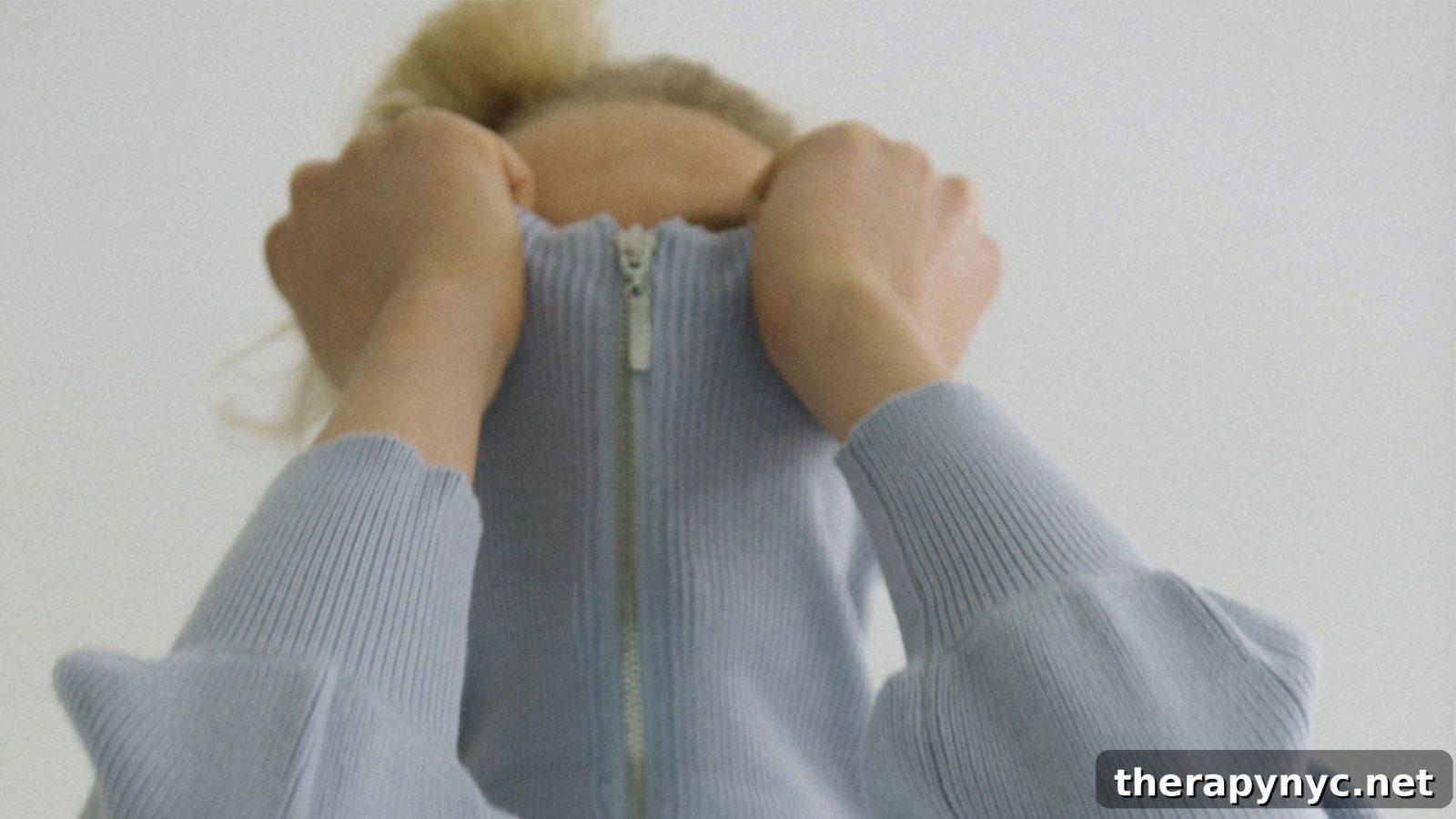
Most people feel anxious in social situations from time to time. But when that anxiety consistently interferes with daily life, work, or relationships, it may be social anxiety disorder — also called social phobia.
Social anxiety disorder goes beyond ordinary shyness or nervousness. It is a mental health condition that makes attending, participating in, or even anticipating social situations intensely distressing. People with social anxiety often fear being judged, scrutinized, or disliked, and this fear can strain relationships with family, friends, and colleagues.
The encouraging news is that social anxiety disorder is treatable. Therapy, medication when appropriate, and practical coping strategies can significantly reduce symptoms and improve quality of life.
Understanding social anxiety disorder
Social anxiety disorder—sometimes called social phobia—is marked by overwhelming anxiety in social or performance-related settings. This can cause avoidance of social interactions or extreme discomfort when social contact is unavoidable.
What is social anxiety disorder?
Feeling nervous before a presentation or when meeting someone new is normal. Social anxiety disorder is different because the fear is excessive and disrupts normal functioning. For example, you might become so anxious that you sweat or feel sick before meeting a close friend, avoid routine appointments like doctor visits, or recognize that your fear is irrational yet feel powerless to change it.
Because social interaction is a normal part of everyday life, social anxiety disorder can affect work, school, and routine activities such as shopping, banking, or ordering food. The condition can leave people feeling isolated and underperforming in areas they otherwise manage well.
Normal shyness vs. social anxiety disorder
Shyness and social anxiety disorder are not the same. Shyness is a personality trait; social anxiety disorder is a clinical condition that causes greater functional impairment and reduced quality of life. People who are shy may feel reserved in new situations but do not typically experience the intense physical and emotional reactions that characterize social anxiety disorder.
If you avoid events because the thought of attending provokes overwhelming physical symptoms—nausea, sweating, heart racing, dizziness—or if these reactions prevent you from participating in normal activities, it may indicate social anxiety disorder rather than simple shyness.
Symptoms of social anxiety disorder
Symptoms vary in type and severity. Emotional, physical, and behavioral signs can occur alone or together and may range from mild to severe.
Emotional symptoms
Common emotional experiences include:
- Constantly looking for excuses to skip social activities
- Intrusive fears of embarrassment or humiliation
- Ruminating about past interactions and worrying whether others liked you
- Persistent worry that others are judging you or noticing your nervousness
People with social anxiety often feel dread before social events and may experience extreme self-consciousness, especially when attention is focused on them.
Physical symptoms
Anxiety often produces physical reactions such as blushing, rapid heart rate, sweating, trembling, or tense muscles. Other physical signs may include:
- Difficulty speaking or thinking clearly
- Dizziness or lightheadedness
- Fatigue after social interaction
Behavioral symptoms
To reduce discomfort, people may change their behavior, avoiding interactions or using their phones to escape conversation. Common behavioral indicators include:
- Relying on a phone in social settings to avoid engagement
- Missing school, work, or appointments
- Trying to blend into the background to avoid attention
In more severe cases, individuals may turn to alcohol or drugs to cope, which can worsen anxiety and cause additional health problems.
Find out if you have anxiety
Causes and risk factors
The exact causes of social anxiety disorder are not fully understood, but several factors can increase risk. These include:
- Growing up with overly controlling or highly critical caregivers
- Brain structure and function differences
- Genetic predisposition
- An insecure attachment style in childhood
- Past trauma or abuse
Having one or more risk factors raises the likelihood of developing social anxiety but does not guarantee it.
Diagnosis of social anxiety disorder
A qualified mental health professional, such as a psychiatrist or psychologist, can evaluate symptoms and make a diagnosis. Clinicians typically use recognized diagnostic criteria to determine whether symptoms meet the threshold for social anxiety disorder, considering factors like:
- Fear of situations where one may be scrutinized by others
- Worry about acting in ways that might cause embarrassment or offend others
- Avoidance of feared situations or intense anxiety when exposed to them
- Fear or anxiety that is disproportionate to the actual threat
- Consistent, persistent symptoms that interfere with daily functioning
A thorough assessment also helps rule out other conditions that can cause similar symptoms.
Effective treatments
Social anxiety disorder responds well to a combination of treatments. Approaches include:
- Prescription medications when appropriate (for example, certain antidepressants, beta-blockers, or short-term anxiolytics)
- Psychotherapy, especially cognitive behavioral therapy (CBT) and exposure therapy
- Self-care practices and coping strategies that support daily functioning
- Social skills training to build confidence in interactions
Therapy can be individual, group-based, or involve family members. Group therapy provides a safe place to practice social skills alongside others facing similar challenges.
Finding a therapist
Talking with a therapist can feel intimidating, but therapists are trained to provide support without judgment. If in-person sessions seem difficult, online therapy is a viable option that many find helpful to begin treatment. When choosing a therapist, consider their experience with anxiety disorders, whether they accept your insurance, and whether their approach feels like a good fit.
Coping strategies
Practical techniques can reduce anxiety in the moment and build long-term resilience. Useful strategies include controlled breathing, guided meditation, and distraction methods (for example, counting objects or focusing on sensory details). Social skills training can teach specific behaviors—like conversation starters, assertiveness, and telephone etiquette—and provides structured practice to build confidence.
Living with social anxiety disorder
With the right treatment and self-care, people with social anxiety can lead fulfilling lives. Helpful habits include:
- Identifying and challenging negative thoughts that assume the worst in social situations
- Using positive self-talk before, during, and after interactions
- Practicing social skills in low-pressure settings with supportive people
- Gradually increasing exposure to social situations to build tolerance
- Allowing time to rest and recharge after social events
Work with your therapist to tailor strategies to your needs and try different techniques to see what helps most.
Key takeaways
Social anxiety disorder is more than shyness: it is a treatable mental health condition that can significantly affect daily life. Effective options include psychotherapy, medication when needed, and practical coping skills. Reaching out for professional help is an important first step toward managing symptoms and improving social confidence.
Find a therapist