Using Tools to Strengthen Practice and Care Delivery
Almost every industry is impacted by technological innovations – including the therapy space. As therapists and counselors, adapting to these evolving tools means you have more ways to provide care and can cut down on…
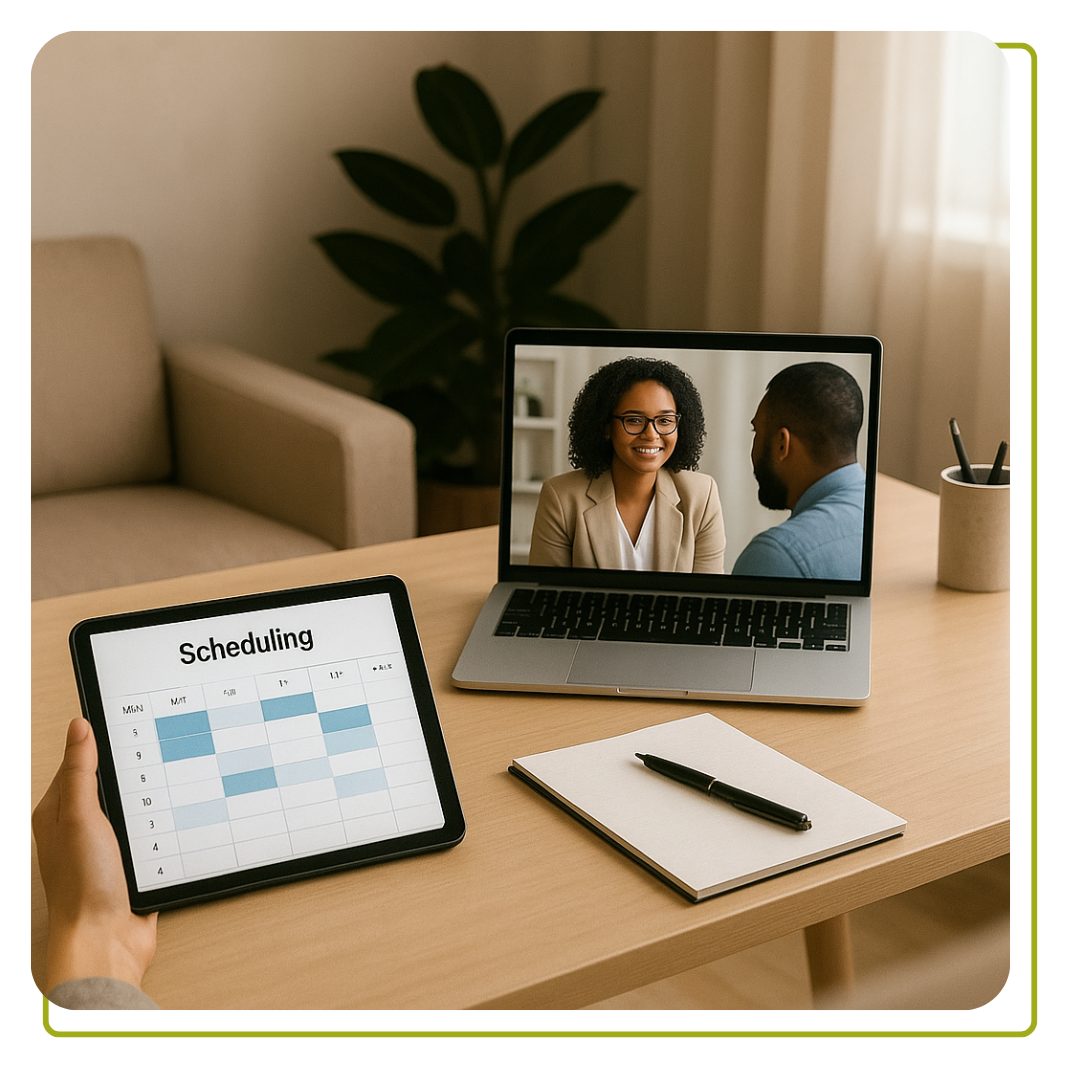
Almost every industry is impacted by technological innovations – including the therapy space. As therapists and counselors, adapting to these evolving tools means you have more ways to provide care and can cut down on time-consuming administrative tasks. If you're not sure how to navigate this space with your private practice, keep this in mind: those who balance therapy's standard of care with the expanding technologies will be best prepared to lead the future of therapy and strengthen practice and care delivery.
Technology Makes Therapy More Accessible Than Ever
With demand for mental health services on the rise, access to therapy professionals has never been more critical. Luckily modern technologies are making therapy more manageable for professionals and accessible to patients. If you're curious how to implement these tools to make your practice more effective, the following systems are great places to start:
Telehealth Platforms
Try GoogleMeets, Zoom, or other online meeting platforms for telehealth services so you can meet with more clients and patients don't have to travel long distances for in-person sessions – a win-win!
Scheduling Software
A number of scheduling softwares existbut their goal remains the same: when patients can set up appointments based on mutual availability, both you and your clients can reduce missed or moved appointments. Plus, this software eliminates back-and-forth emails that can delay treatment for the client or take up more admin time for the therapist. FrontDesk is one such tool that makes online appointment scheduling easier.
Appointment Reminder Systems
We all have too many things to remember on a given day, but appointment reminder systems help both you and your patients be ready and on time for meetings. This technology can also reduce no-shows and no calls, which makes your time management easier and means one less email you have to manually send.
Patient Portals
Patients can access all their information in one place through a patient portal. They can also set up automatic payments and message you with questions – reducing communication channels and admin tasks on your end.
Intake Forms
Rather than collecting relevant information on your clients yourself intake form technologies can gather helpful data on clients so you can understand their needs sooner
Understanding the tools you have at your disposal not only helps you streamline your practice. With this knowledge, you can also better support patients so they can gain the effective and timely care they need. for instance, a tool called TherapyPartner is an all-around practice management tool that improves everything from scheduling to billing to revenue tracking.
Read More: Interested in Online Therapy? Explore Its Benefits Further.
Benefits Abound for Therapy Technology
As a therapist or counselor, you can do more than familiarize yourself with the technologies at your disposal. Below is a deeper dive into the benefits of these tools on patient care and your private practice. Telehealth platforms, scheduling software, appointment reminder systems, patient portals, and intake forms support the following:
- Expanded care to more people and populations, thanks to virtual meeting tools
- Less wasted time on administrative tasks like scheduling, billing, data collection, and meeting reminders
- More organization for you and your clients, with all your important information in one portal space
No patient is the same, which means having a variety of tools at your fingertips ensures your practice is flexible and versatile. Learning to harness technology's positive opportunities will keep your practice sharp and your time freed of administrative to-dos.
Great Technological Power Means Greater Responsibility
Expanded technology means more options, but also bigger safety and ethical considerations. Managing patient data and safety has taken center stage given growing data technologies. Remaining abreast of relevant laws and regulations, like the American Counseling Association (ACA) 2024 Code of Ethics and Health Insurance Portability and Accountability Act (HIPPA) regulationsis critical to keeping your practice in good standing.
In addition to protecting your practice, your clients will thank you for your commitment to ethics and responsibility. Offer them peace of mind that you are protecting their information and not using these tools negatively.
Read More: Concerned About the AI Movement? Don't Worry: AI Is Not Therapy
Use Modern Tools to Improve Your Practice
Experts debate the pros and cons of digital technologiesbut one fact is clear: the therapy space can greatly benefit from modern tools and innovations. These systems help expand access to care, streamline administrative tasks, and improve organization. Spending more time with clients and less time on management responsibilities frees up your schedule and headspace so you can better support clients and prevent burnout.
Thankfully, we have tools to help you protect your well-being. Through TherapyNYC's Resources for Mental Health Professionalsyou can find tips on marketingbusiness managementsoftware technologyprofessional developmentand more.
As a therapist, you have tremendous power to help clients break down barriers and build bridges. Want to help more patients? Easily connect with potential clients through a trusted, established platform via TherapyNYC's therapist directory.
This article is for general reading. It does not replace care from a licensed clinician.