Top 10 Mental Health Apps for 2026: Features and Reviews

Prioritizing your mental health is easier than ever. Recent mental health statistics show that roughly one in four U.S. adults reports experiencing a mental health challenge at some point. The best mental health apps deliver immediate support for everyday stress, help you build healthier habits, and offer tools to manage anxiety, sleep, and mood in real time.
While these mobile tools are excellent for habit building and daily support, they do not replace formal diagnosis or personalized therapy. Many people find the most benefit from combining digital tools with care from licensed professionals. If you need a clinical diagnosis or a custom treatment plan, a licensed therapist or psychiatrist can provide the individualized expertise that apps alone cannot.
Below is a curated list of 10 of the best mental health apps to help you begin or expand your wellness routine.
Did you know?
A 2023 review in JMIR Mental Health reported that there are now more than 10,000 mental health apps worldwide, yet fewer than 5% have been evaluated in peer-reviewed research. Experts recommend using apps as complementary tools alongside licensed professional care for the most evidence-based outcomes.
Best mental health apps comparison chart
| Best for | App | Primary focus | Cost model |
|---|---|---|---|
| Online therapy | Grow Therapy | Professional treatment | Insurance-based |
| Meditation | Calm | Mindfulness | Subscription |
| Mood tracking | Daylio | Pattern journaling | Free/Premium |
| CBT skills | Wysa | Behavioral coaching | Free/Premium |
| Habit building | Finch | Self-care motivation | Free/Premium |
| Anxiety tools | MindShift CBT | Clinical exercises | Free |
| ADHD support | Focus@Will | Personalized focus music | Subscription |
| Gratitude | Gratitude: Self-Care Journal | Daily reflection | Free/Premium |
| Well-being | Dario Mind | CBT-based games | Free |
| Sleep | Insight Timer | Sleep sounds and stories | Free/Premium |
1. Grow Therapy
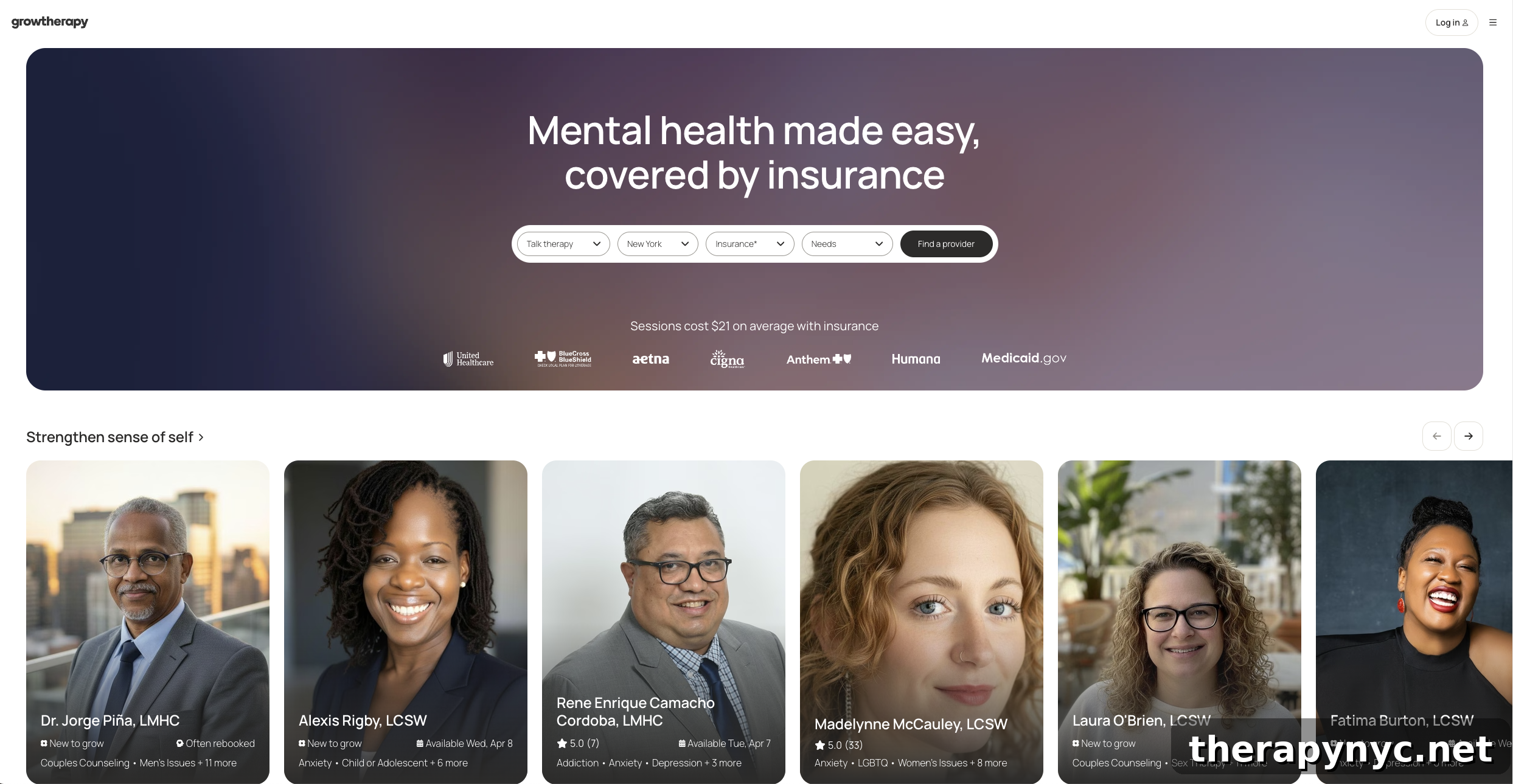
Best for: Licensed therapy and psychiatry through insurance
Grow Therapy connects you with licensed therapists and psychiatrists who accept insurance, simplifying the logistics of professional care. The platform helps you search for providers by specialties, identity, and background, book appointments, and attend secure video sessions from one app. Because Grow Therapy focuses on in-network, insurance-based care, it can reduce out-of-pocket costs and remove administrative barriers, so you can concentrate on treatment.
Between sessions, the platform offers an AI-powered coach to help you practice coping skills, reflect on therapy topics, and stay consistent with progress. This supplemental support is designed to reinforce what you work on with your clinician.
Cost:
The app is free to download and subscription-free. You pay only for sessions, and many clients pay a standard co-pay because Grow Therapy participates with numerous insurance plans.
Features:
- Insurance verification and clear billing
- Search and direct booking with licensed therapists and psychiatrists
- In-app video sessions for telehealth appointments
- AI-powered coach for between-session support
2. Calm
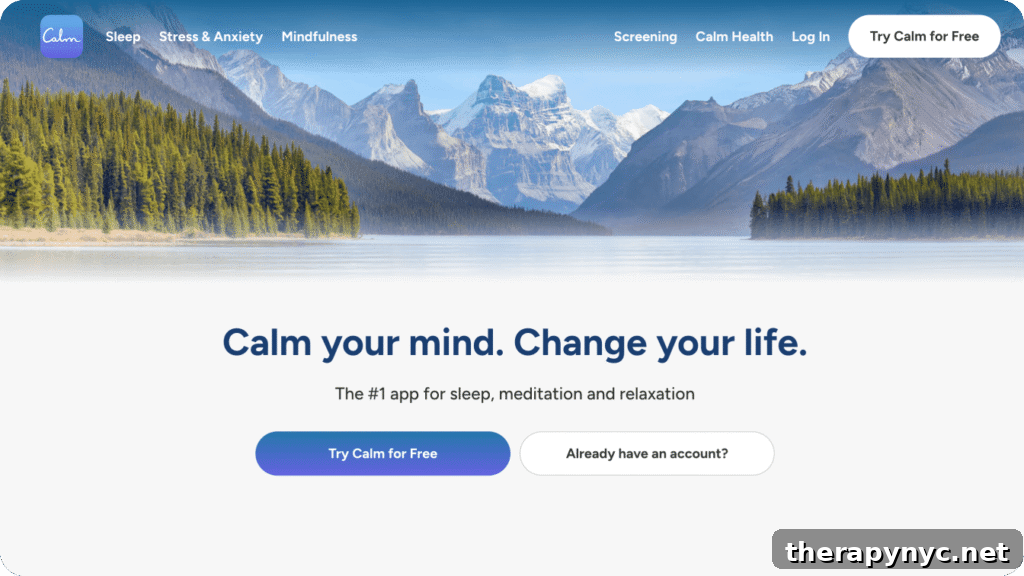
Best for: Daily meditation and mindfulness
Calm is a popular meditation app designed for building a consistent mindfulness practice. It offers guided sessions that fit into short pockets of time, including the “Daily Calm” 10-minute practice released each morning. Calm also includes breathing exercises, mindful movement, and “Calm Body” sessions for those who prefer movement-based mindfulness over seated meditation.
Cost:
Calm typically offers a monthly or annual subscription, often with a free trial period. Pricing and promotions may vary by region and provider.
Features:
- Daily guided meditations
- Programs for anxiety, focus, and sleep
- Mindful movement and stretching exercises
- Expert-led masterclasses
3. Daylio
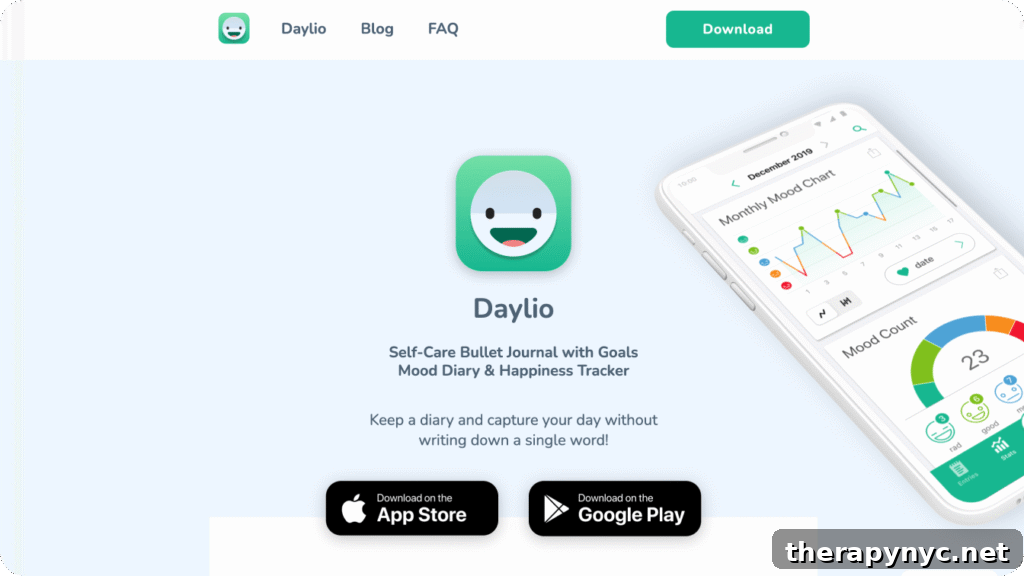
Best for: Quick mood tracking without writing
Daylio replaces long journal entries with quick icon-based mood tracking and activity logging. You can capture how you feel in under a minute, and the app converts entries into charts that reveal trends and associations between activities and mood. Daylio also supports goal setting and habit reminders, making it easy to track progress on small lifestyle changes that affect well-being.
Cost:
A basic version is free; a premium plan adds features such as unlimited moods, extra icons, and data export options.
Features:
- Icon-based journaling that requires little effort
- Visual mood trends and statistics
- Goal setting and habit tracking
- PIN protection for privacy
4. Wysa
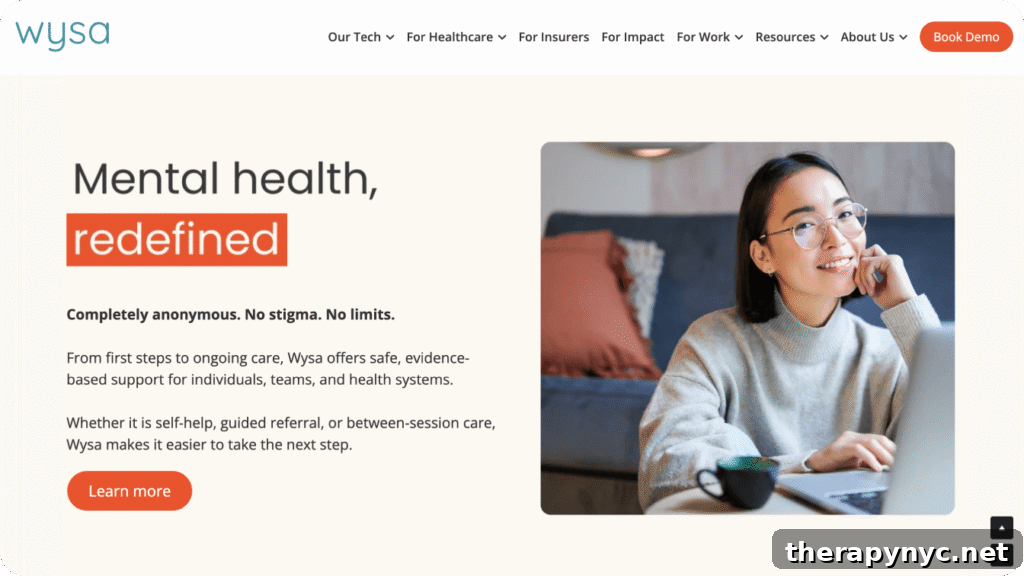
Best for: AI-led behavioral coaching and venting
Wysa features an AI chatbot that provides immediate, judgment-free emotional support and guided exercises based on cognitive behavioral therapy techniques. It’s useful for on-the-spot reframing of negative thoughts and for practicing coping skills. Wysa also includes a library of meditations, breathing tools, and movement practices to support mood and sleep.
Cost:
A basic chatbot and some tools are free. Premium subscriptions unlock the full library and more structured programs.
Features:
- 24/7 AI chatbot for immediate support
- CBT-based guided exercises
- Anonymous and secure space to reflect
- Mood tracking and progress monitoring
5. Finch
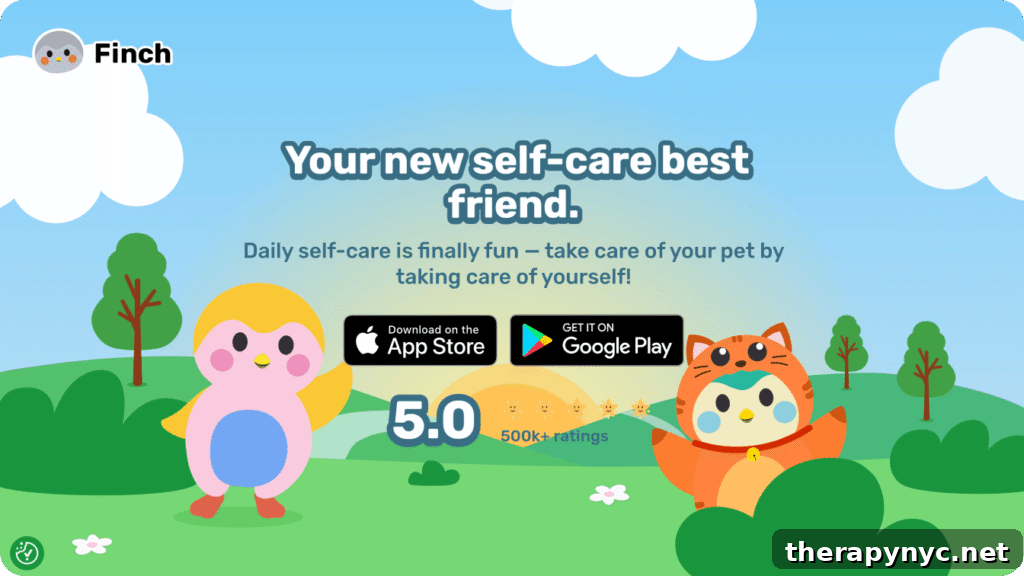
Best for: Gamified habit building and daily motivation
Finch gamifies self-care by giving you a virtual pet that grows as you complete daily goals. The friendly, low-pressure interface helps motivate tasks like drinking water, taking a walk, or completing a mindfulness check-in. Finch also includes short journaling prompts, breathing exercises, and quick grounding activities.
Cost:
Core features are free; a premium tier adds customization, soundscapes, and advanced exercises.
Features:
- Personalized goal setting and habit tracking
- Gamified rewards to boost consistency
- Guided journaling and mood check-ins
- Breathing and grounding exercises
6. MindShift CBT
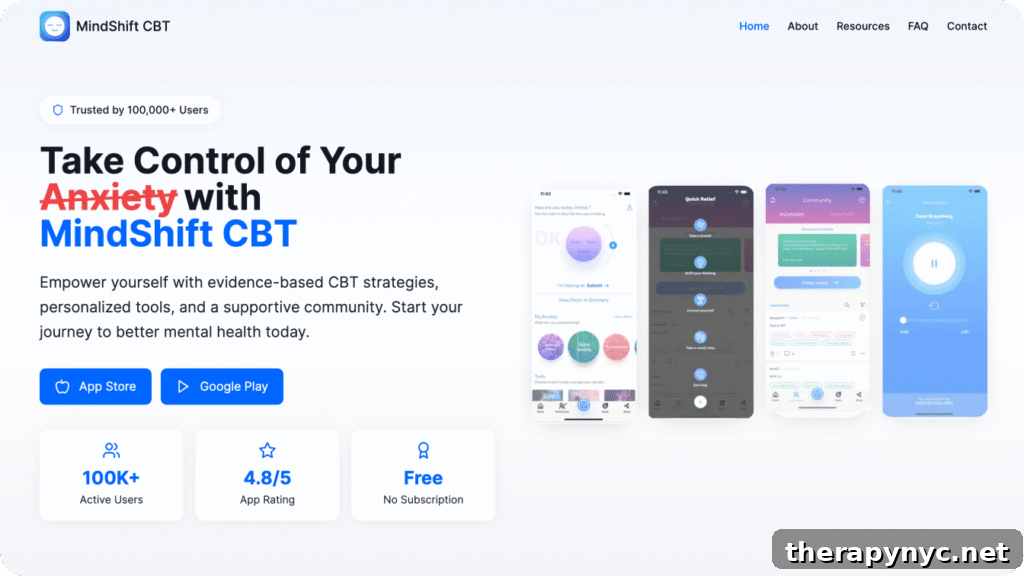
Best for: Evidence-based anxiety relief tools
MindShift CBT is designed for people managing anxiety, panic, and phobias. It applies CBT strategies like thought journals and fear ladders to help you identify worrying patterns and face fears gradually. The app also offers grounding techniques and guided relaxations for immediate relief.
Cost:
This app is free to download and use, offering accessible clinical tools without subscription fees.
Features:
- Thought journaling and reframing tools
- Customizable fear ladders for gradual exposure
- Coping cards for quick reminders
- Guided meditations and breathing exercises
Can a mental health app replace therapy?
Mental health apps are valuable for building habits, managing everyday stress, and practicing coping skills between sessions. However, they cannot replace licensed clinical care. Apps cannot perform formal diagnoses, develop a tailored treatment plan, or respond to complex clinical needs the way a trained therapist can. Research and clinicians suggest using apps as a complement to professional support, not a substitute. If you’re managing persistent anxiety, depression, or trauma, consulting a licensed therapist is an important next step.
7. Focus@Will

Best for: ADHD management and concentration support
Focus@Will provides music engineered to improve concentration, especially useful for people with ADHD or anyone who finds typical background music distracting. The app personalizes channels based on a short concentration quiz and includes productivity timers and focus tracking to help you enter a flow state.
Cost:
Focus@Will typically offers trial access and subscription options for ongoing use.
Features:
- Scientifically designed focus music channels
- Personalized Focus Profile quiz
- Productivity tracker and timer
- Offline listening mode
8. Gratitude: Self-Care Journal
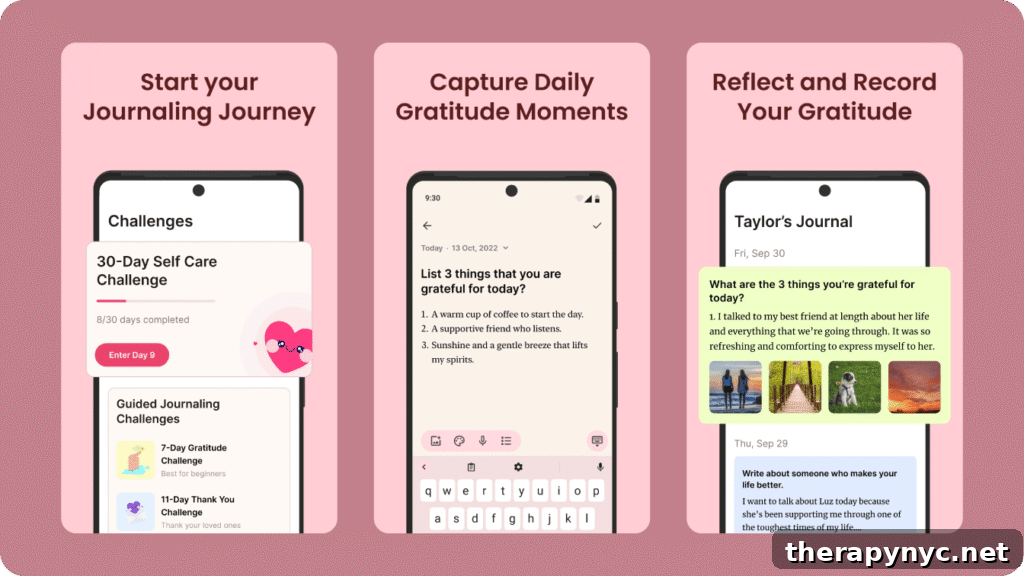
Best for: Building a positive mindset through daily reflection
Gratitude is a simple app for recording daily moments of thanks. It provides prompts and the option to add photos or voice notes, helping you cultivate a more positive outlook over time. Tools like vision boards and affirmations make it easy to reinforce intention and start each day with clarity.
Cost:
A free basic version is available; a paid plan unlocks extras like unlimited photos and voice journal entries.
Features:
- Daily gratitude prompts with photo and voice options
- Vision board for goal visualization
- Morning and evening routines
- Private, secure journaling
9. Dario Mind
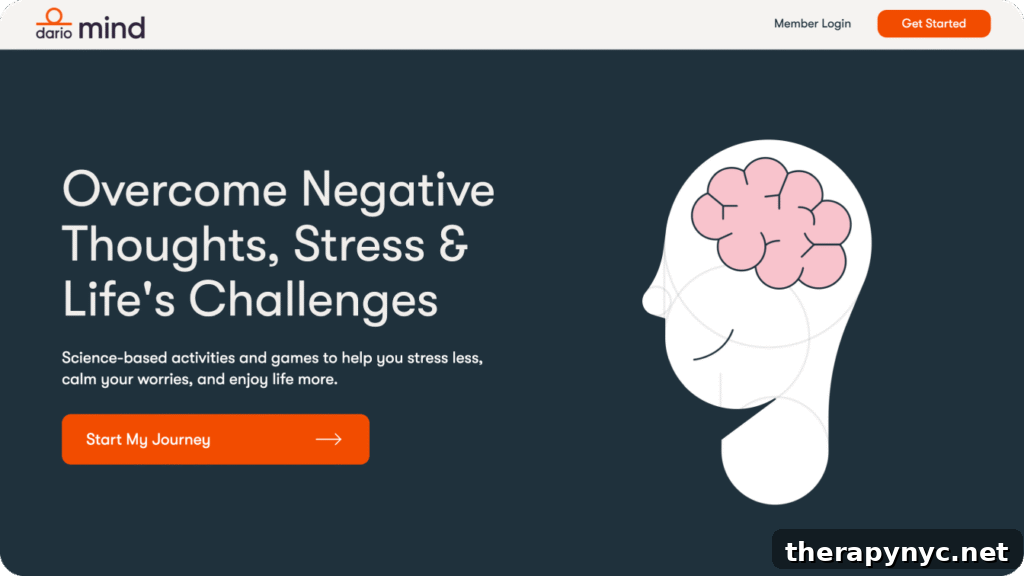
Best for: Building resilience through science-based games
Dario Mind (formerly Happify) uses evidence-based games and activities grounded in positive psychology and CBT to help reframe negative thinking and build coping skills. Organized tracks address common challenges like stress and self-confidence, and an AI coach can recommend exercises based on your progress.
Cost:
The app is free to download and includes several tracks and interactive exercises.
Features:
- Science-based tracks and games
- Community support and clinical insights
- Daily well-being tips and inspiration
- AI coach for personalized guidance
10. Insight Timer
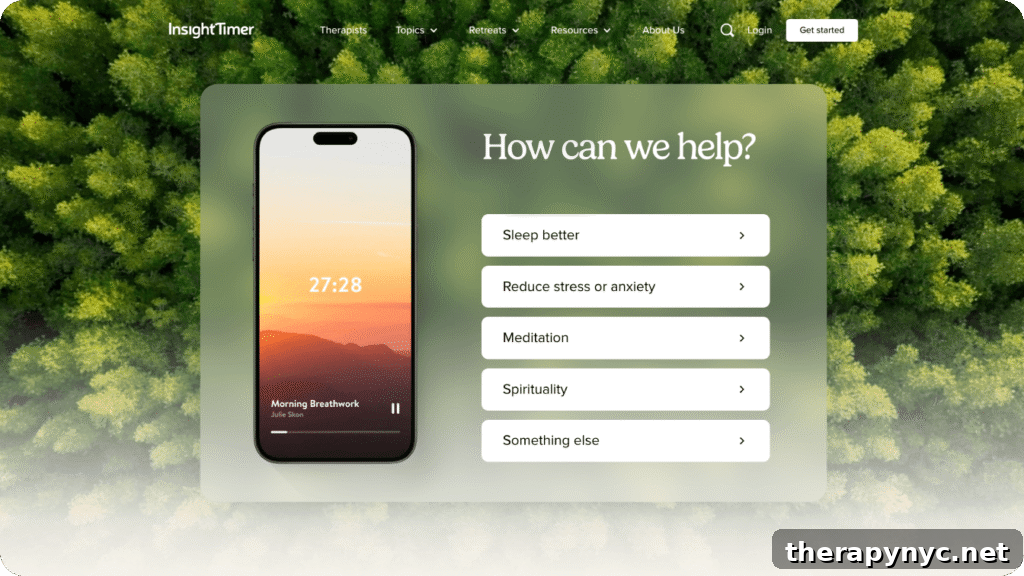
Best for: Sleep support and tranquil soundscapes
Insight Timer offers a vast library of sleep music, guided meditations, bedtime stories, and soundscapes designed to help quiet a racing mind and support restful sleep. You can create playlists, explore new content daily, and join live sessions or community groups led by experienced teachers.
Cost:
A basic version with a large free library is available; a paid Member Plus tier offers offline listening and enhanced audio features.
Features:
- Extensive sleep music and bedtime stories
- Guided sleep meditations and breathing practices
- Customizable timers for self-guided sessions
- Community groups and live events
Combining your favorite mental health apps with professional care
Using well-chosen mental health apps alongside therapy or medication management can strengthen daily habits and provide practical tools between sessions. Apps are useful for practicing skills, tracking progress, and reducing low-level stress, while licensed clinicians provide diagnosis, deeper assessment, and tailored treatment plans.
If you’re ready to combine apps with professional support, consider searching for licensed providers who accept your insurance and match your needs. A licensed therapist can help you translate app-based practices into lasting change and guide you through a personalized path to wellness.