Veteran PTSD Recovery: Support and Strategies for Loved Ones
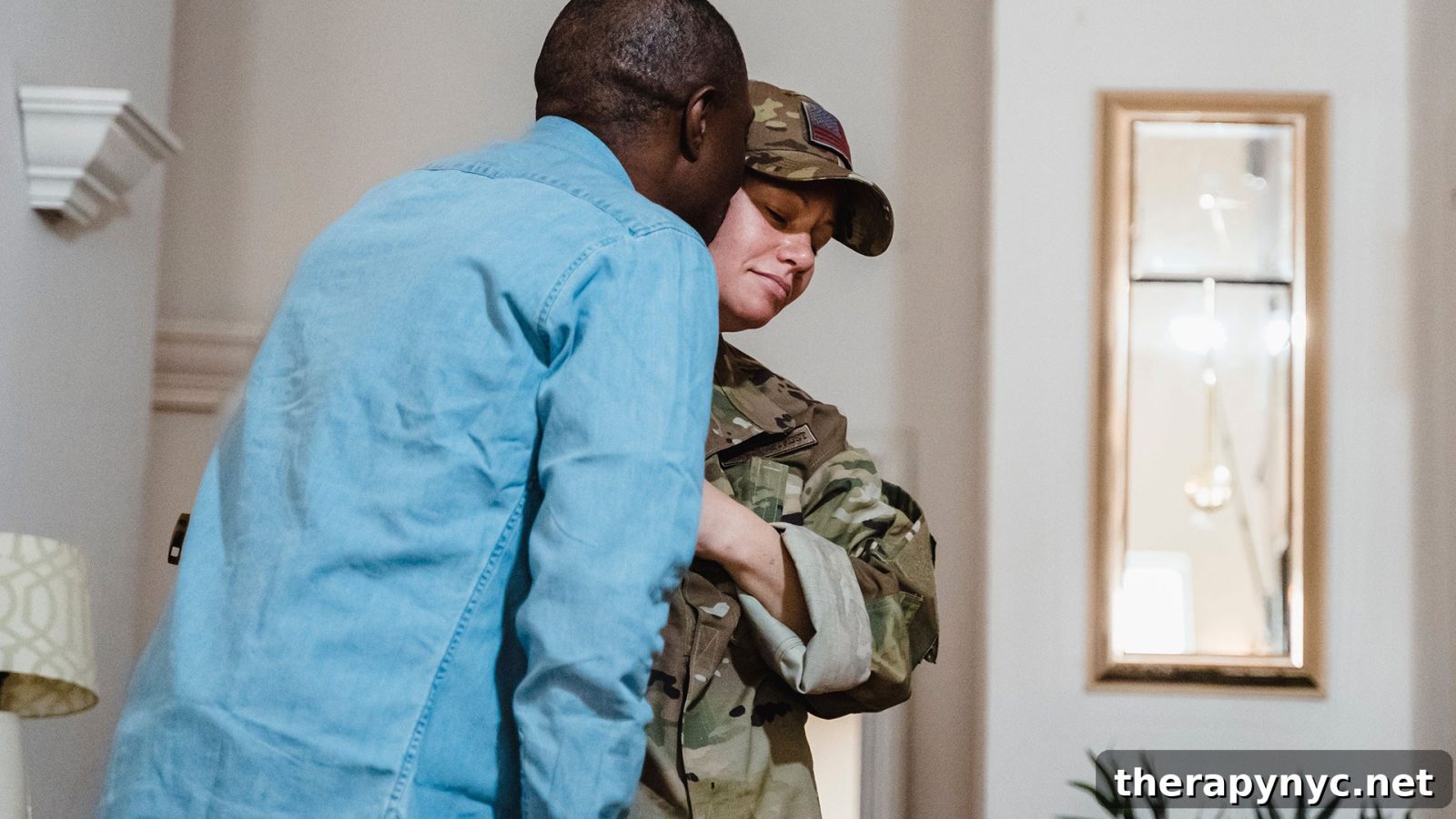
Many military veterans return home bearing memories of combat, training incidents, or other traumatic events that can continue to affect them long after service ends. This lasting psychological impact can leave deep emotional scars and, in some cases, develop into a chronic condition: post-traumatic stress disorder (PTSD). Trauma and PTSD can profoundly shape daily life, relationships, and overall well-being.
According to the U.S. Department of Veterans Affairs, roughly seven percent of veterans will experience PTSD at some point, and those who were deployed face a significantly higher risk—about three times that of non-deployed veterans. Returning to civilian life can be especially challenging when PTSD is involved, and both veterans and their families often need support and practical strategies to cope and heal.
Whether you are a veteran living with PTSD or someone supporting a loved one, the following therapist-recommended tips can help guide recovery and day-to-day coping.
Tips for Veterans with PTSD
Treatment and recovery often combine professional care with daily habits that build resilience. In addition to evidence-based therapy for PTSD, try different strategies to discover what helps you most.
1. Lean on your support network
Identify people you trust—family, friends, or a partner—and let them know when you need support. Opening up can feel hard, especially for veterans who may worry others won’t understand, but maintaining honest communication is often one of the most helpful steps. Licensed counselors emphasize that telling someone you’re struggling—whether you need to vent, cry, or simply be distracted—creates connection and reduces isolation.
Research shows that strong social support is associated with less severe PTSD symptoms, so staying connected is an important part of healing.
2. Avoid using substances to cope
Alcohol and drugs can temporarily numb painful feelings, but they tend to worsen PTSD over time and can lead to additional problems, including substance use disorders. Substance use often serves as avoidance, which reinforces trauma-related fear and delays recovery. If you’re struggling with substance use, seek help from a professional who understands the overlap between PTSD and addiction.
3. Practice intentional self-care
Self-care looks different for everyone. Ask yourself what small actions soothe you on a bad day. Examples include talking with loved ones, practicing breathing exercises like square breathing, using mindfulness or meditation, exercising, gentle yoga or stretching, listening to music, walking outdoors, creating art, or journaling. These activities can lower stress and help regulate emotions.
Also consider reducing life stressors where possible. If work is overwhelming, a short break or a mental health day can be restorative. If family dynamics cause stress, setting clear boundaries and communicating needs can protect your wellbeing.
4. Find a therapist you trust
Therapy is crucial for treating PTSD, but the relationship with your therapist matters greatly. Seek a clinician you feel comfortable with and who offers a nonjudgmental space. Some veterans prefer therapists who specialize in military trauma; others do well with clinicians experienced in PTSD more broadly. The key is rapport—being able to be open and honest so the therapist can tailor treatment to your needs.
PTSD therapists who take insurance
5. Choose trauma-focused therapy that fits you
PTSD responds best to trauma-focused treatments. Common, evidence-based approaches include:
- Cognitive Behavioral Therapy (CBT): CBT helps identify and change negative thought patterns and behaviors linked to trauma, teaching practical skills to manage triggers and reactions.
- Prolonged Exposure (PE): A trauma-specific form of therapy that gradually and safely exposes individuals to trauma-related memories or situations to reduce avoidance and fear over time.
- Eye Movement Desensitization and Reprocessing (EMDR): EMDR combines guided bilateral stimulation with memory recall to help the brain reprocess traumatic memories so they feel less overwhelming.
Therapy may involve a combination of modalities, and some people also benefit from medication as part of a comprehensive plan. Work with your treatment team to find the best approach for you.
6. Be patient with the process
Healing from trauma takes time. Progress is rarely linear—there will be improvements, setbacks, and slow periods. Stay committed to treatment and track small gains. If you feel stuck, talk with your therapist about adjusting your plan. Patience, persistence, and self-compassion are essential.
7. Consider peer support
Peer or veteran-specific support groups can provide understanding and connection from people who have faced similar experiences. Sharing stories and learning from others can reduce isolation, offer new perspectives, and build friendships that support recovery.
Tips for Loved Ones of Veterans with PTSD
Your support can make a meaningful difference. While you won’t be able to fix PTSD, you can create a safer, more understanding environment that encourages healing.
1. Educate yourself
Learn about PTSD—its symptoms, triggers, and how it affects behavior—so you can respond with empathy rather than frustration. Reputable resources, including the U.S. Department of Veterans Affairs, provide clear, research-based information to help you better understand what your loved one is experiencing.
2. Offer steady support without pressure
Be present and available, but don’t force conversations. Veterans are more likely to open up when they feel safe and not rushed. Sometimes simply listening—without trying to fix things—can be the most supportive action.
3. Use communication, patience, and empathy
Empathy—trying to understand and validate their feelings—builds trust. Clear, calm communication and a patient attitude help navigate the inevitable ups and downs. Simple reassurances like “I’m here if you want to talk” communicate care without pressure.
4. Be mindful of triggers
Be aware that sudden loud noises, crowded places, or other stimuli can trigger distress. Keep the environment calm when possible, and ask your loved one which situations or sounds they find difficult so you can help minimize surprises.
5. Care for yourself, too
Supporting someone with PTSD can be emotionally demanding. Practice your own self-care, set boundaries, and seek support when you need it. You’ll be better able to help others when you’re rested and emotionally balanced.
6. Encourage professional help
If your loved one isn’t receiving treatment, encourage them gently and compassionately to seek professional care. Offer to help research providers, accompany them to appointments, or assist with logistics. Finding a trauma-informed therapist who accepts insurance can make treatment more accessible.