Understanding Body Dysmorphia
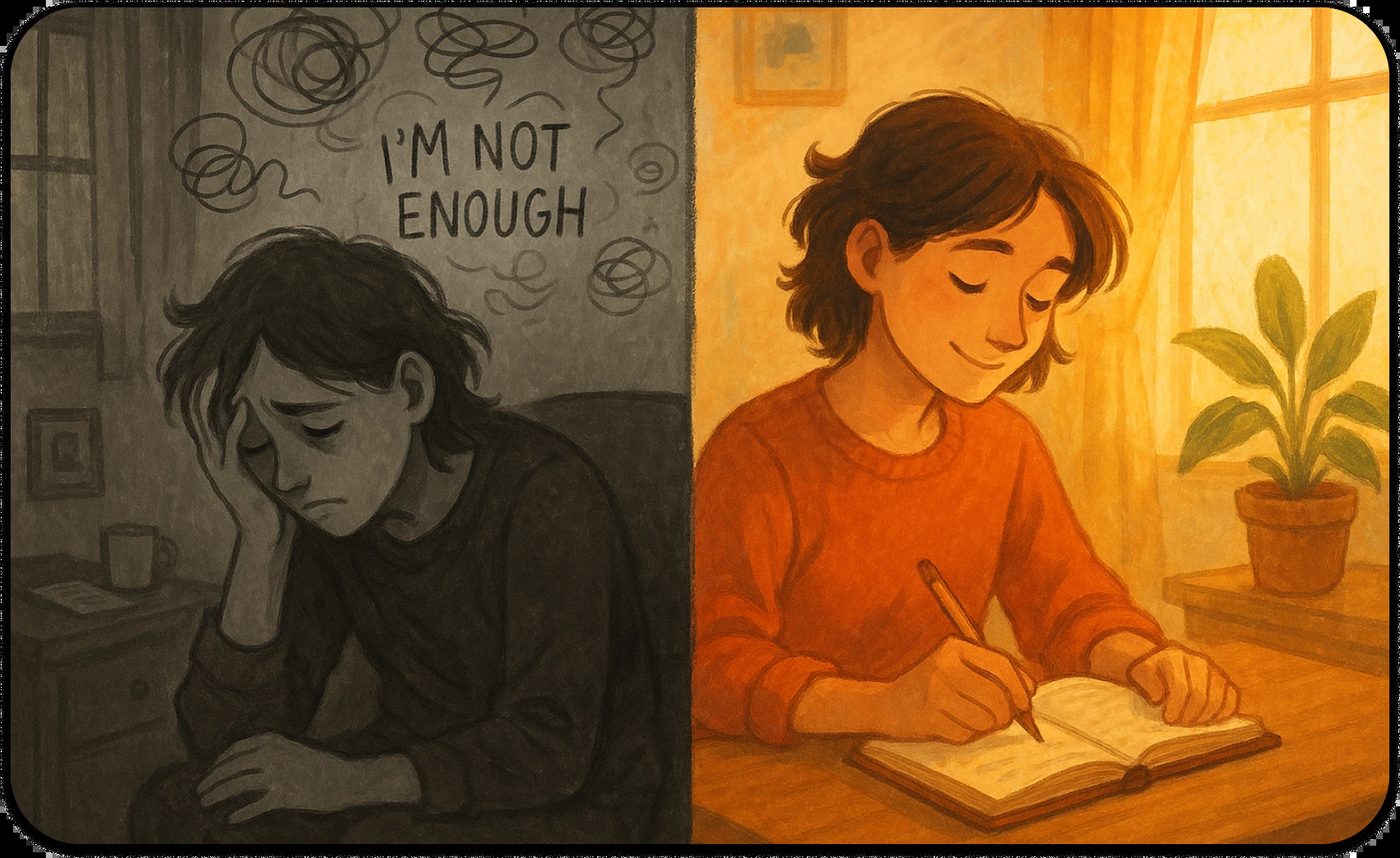
Body dysmorphia occurs when a person becomes preoccupied with perceived physical defects. They may believe that minor flaws make them “hideous” or “deformed.”

Body dysmorphic disorder (BDD)or body dysmorphia, is a condition in which a person thinks their body is severely flawed. The flaw is either imagined or real but minor. for instance, a person may have a small skin blemish that others hardly notice, but they develop a preoccupation with and an exaggerated perception of the flaw.
Typically a person's focus is on their face, head, or the shape of their body. Excessive mirror-checking, grooming, or exercising can all be signs of BDD. The condition is closely related to obsessive compulsive disorder (OCD).
BDD usually begins to develop in adolescence. The average age of onset is 17 years, and studies have shown prevalence begins to drop off after age 44. Body dysmorphia is more common than one might think, occurring in around 2% of the population.
Symptoms of Body Dysmorphia
The following are common signs of body dysmorphia:
- Extreme preoccupation with a physical flaw that is minor or can't be noticed by other people.
- A strong belief that said flaw makes you ugly or unattractive, no matter what the rest of your body looks like.
- A belief that others take notice of the flaw or flaws in your appearance.
- Constantly comparing your appearance to others.
- Avoiding social situations due to shame about your appearance.
- Always seeking reassurance about your appearance.
We live in a society that places much emphasis on beauty and youth, so it is normal to be concerned about our appearance. However, if your concern over how you look becomes obsessive, begins to interfere with your daily functioning, and/or causes significant distress, you may have BDD.
What Causes Body Dysmorphia?
A survey of people with body dysmorphic disorder found a significant association with child maltreatment. Specifically, 78.7% of people diagnosed with BDD reported early-life abuse, including:
- Emotional neglect (68.0%)
- Emotional abuse (56.0%)
- Physical abuse (34.7%)
- Physical neglect (33.3%)
- Sexual abuse (28.0%)
A child raised by a neglectful parent is unlikely to have had the opportunity to develop good coping skills. For some people with BDD, it seems that as a result of maltreatment, they may internalize grief and pain. In time, the individual comes to believe that there is something wrong with them or their body.
Researchers have found that people suffering from BDD have abnormal brain network organization. The greater the symptom severity, the greater the disturbances in functioning and organization compared to people without BDD. Researchers also found evidence of abnormal connectivity in visual regions and emotional processing, indicating a deficit in information processing within these brain regions.
Treatment and Outcomes for Body Dysmorphia
Body dysmorphia is a serious issue and should not be treated as simple vanity. people experiencing BDD have a higher risk of suicide as well as impeded social and occupational development. BDD often does not go away without treatment. If left untreated, body dysmorphic disorder can lead to depressionanxietyand extensive medical expenses.
Body dysmorphia is a serious issue and should not be treated as simple vanity. Given the long-term course of BDD and the significant impact on quality of life, it is important for affected people to seek treatment. While there are neurological differences in patients with BDD, it is possible to effect changes in neurological functioning. The brain is plastic and retains the ability to change throughout the entire lifespan.
The most common forms of treatment for BDD are cognitive behavior therapy (CBT) and pharmacotherapy. In a recent study, the medication of choice was a selective serotonin reuptake inhibitor (SSRI). Investigations examining the use of pharmacotherapy and CBT in tandem have found combined therapy to be effective.
BDD may require long-term therapy, and many patient populations are not willing or are unable to take SSRIs, such as pregnant women. However, CBT has been shown to be effective and is often a preferred course of treatment. CBT has been shown to improve outcomes both when it is the only treatment and when it is combined with medication.
If you or a loved one is experiencing body dysmorphia, you can find a therapist here.
References:
- Arienzo, D., Leow, A., Brown, J. A., Zhan, L., GadElkarim, J., Hovav, S., & Feusner, J. D. (2013). Abnormal brain network organization in body dysmorphic disorder. Neuropsychopharmacology38(6), 1130-1139. Retrieved from https://www.ncbi.nlm.nih.gov/pmc/articles/PMC3629399
- Bjornsson, A. S., Didie, E. R., & Phillips, K. A. (2010). Body dysmorphic disorder. Dialogues in Clinical Neuroscience12(2), 221-232. Retrieved from https://www.ncbi.nlm.nih.gov/pubmed/20623926
- Buhlmann, U., Marques, L. M., & Wilhelm, S. (2012). Traumatic experiences in people with body dysmorphic disorder. The Journal of Nervous and Mental Disease200(1), 95-98. Retrieved from https://www.ncbi.nlm.nih.gov/pubmed/22210370
- DeVos, K. (2017, September 5). Examining the link between body dysmorphia and PTSD. Retrieved from https://www.eatingdisorderhope.com/blog/examining-body-dysmorphia-ptsd
- Hong, K., Nezgovorova, V., & Hollander, E. (2018). New perspectives in the treatment of body dysmorphic disorder. F1000Research7. Retrieved from https://f1000research.com/articles/7-361/v1
- Koran, L. M., Abujaoude, E., Large, M. D., & Serpe, R. T. (2008). The prevalence of body dysmorphic disorder in the United States adult population. CNS Spectrums13(4), 316-322. Retrieved from https://www.ncbi.nlm.nih.gov/pubmed/18408651
- Vitiello, B. (2009). Combined cognitive-behavioral therapy and pharmacotherapy for adolescent depression. CNS Drugs23(4), 271-280. Retrieved from https://www.ncbi.nlm.nih.gov/pmc/articles/PMC2671638
This article is for general reading. It does not replace care from a licensed clinician.