Why Sexual Health Assessments Matter in Long-Term Care
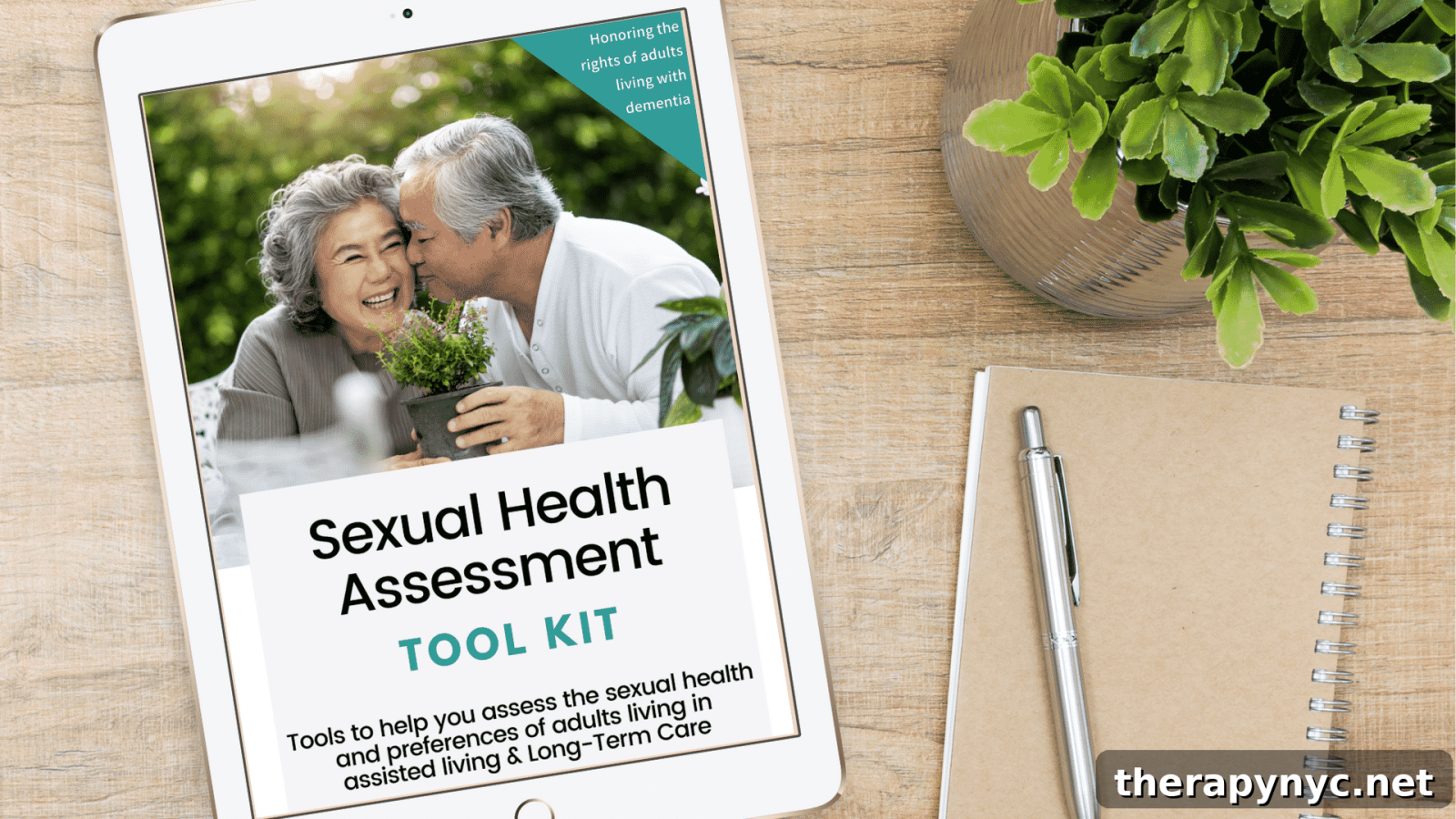
Love, intimacy, and sexuality remain important aspects of life for people living with dementia and for their intimate partners. Recognizing and supporting these needs is part of delivering compassionate, person-centered long-term care.
Research shows that many older adults living in nursing homes, including people with dementia, continue to value emotional and physical intimacy throughout their lives1,2. Shifting the narrative about dementia and sexuality toward a balanced, respectful, and evidence-informed perspective helps protect dignity, autonomy, and quality of life.
To honor residents’ rights and wellbeing, long-term care communities are encouraged to develop clear sexual health policies and use a structured process for sexual health assessment and planning.
What are the benefits of assessing the sexual health and needs of residents living in long term care
Integrating sexual health into routine care supports autonomy and person-centered practice. When long-term care facilities proactively address intimacy and sexual needs, residents often experience improved self-esteem, stronger companionship, and higher overall quality of life.
Sexuality is highly individual. Assessing each resident’s preferences and needs allows staff to tailor recommendations, education, and support for the resident, their partner, and family members. A thoughtful assessment can also identify risk factors—such as untreated pain, side effects of medication, or unsafe situations—and guide interventions that protect safety while respecting personal choice.
Ultimately, a sexual health assessment helps ensure holistic care for people living with dementia by acknowledging their emotional and intimate needs as part of whole-person care.
When and where to conduct the sexual health assessment?
Experts suggest different approaches depending on context and resident comfort. Some recommend including questions about sexuality, intimacy, and sexual needs as part of the initial nursing or physician health assessment so residents understand that staff are open to discussing these issues3. Introducing the topic early communicates respect for residents’ rights and avoids treating sexuality as a taboo subject.
Other authorities advise waiting until rapport and trust are established, recognizing the sensitive nature of the subject4. If sexual health questions are integrated into an initial assessment, it is important that they not be relegated to the very end of the interview; saving them for last can imply discomfort on the assessor’s part and may increase resident unease.
Long-term care communities can also offer a private, self-administered form that residents or couples can complete at their own pace. Whatever method is chosen, assessments should be conducted confidentially in a respectful setting that protects privacy and dignity.
How to start the sexual health assessment
Begin by normalizing the topic, asking permission, and using open-ended questions. Clear, respectful language and a calm tone help residents feel safe and respected. For example, you might say:
“At our assisted living community we respect the rights and dignity of all residents, which includes the right to intimacy. Many people continue to enjoy emotional and physical intimacy throughout life, and we want to understand your needs so we can support you. May I ask you a few questions about your preferences and concerns?”
Follow with open-ended prompts that invite the resident to share their values, relationship status, sexual practices, comfort levels, and any worries or barriers. Document preferences and any agreed-upon care plans. Include guidance for staff about privacy, consensual relationships, capacity assessments, and when to involve family or clinical teams.
Where to find a sexual health assessment?
If you need a practical tool, many care organizations and clinical guides offer sample sexual health assessment questions tailored for long-term care settings. These resources typically include items about relationship status, emotional intimacy, sexual activity, consent and decision-making capacity, physical health issues, medication effects, and safety concerns. A sample guide that lists 17 assessment questions can be used as a starting point and adapted to your community’s policies and resident needs.
When implementing assessments, ensure staff receive training on communication, consent, privacy, and cultural sensitivity. Regularly review and update policies so they reflect current best practices and the rights of residents living with dementia.
By assessing sexual health needs thoughtfully and respectfully, long-term care communities can better support residents’ emotional and intimate wellbeing while maintaining safety and dignity. Thoughtful assessment and clear policies create an environment where intimacy is treated as a normal, important part of life for older adults and people living with dementia.