Why You Feel Lonely Even When You’re Not Alone: How to Cope

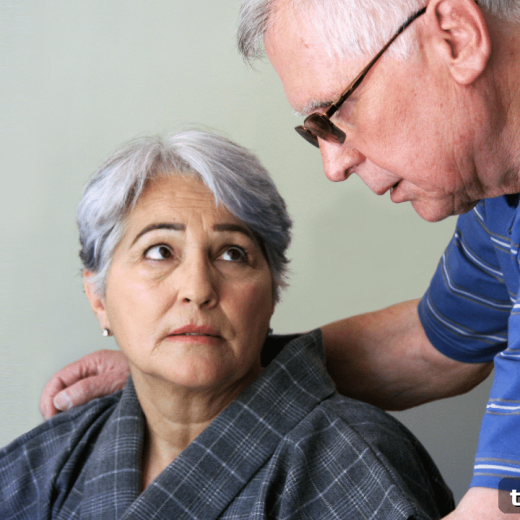
You can be sitting next to your partner, surrounded by friends at a party, or texting all day—and still feel completely alone. That gap between physical presence and emotional connection is emotional loneliness: the sense that, even when people are around, your need for safety, understanding, or belonging isn’t being met. Feeling lonely is about the quality of connection, not the size of the crowd.
Key takeaways
- Loneliness is an experience, not a count of people. You can feel lonely in a full room, in a relationship, or among people who care about you.
- It’s common and has public health consequences. Many adults report frequent, serious loneliness and public health authorities have noted its scope.
- Loneliness has identifiable causes. Many of those causes can be addressed with intentional changes, support, and tools.
What does it mean to feel lonely?
Loneliness is often described as a mismatch between the social interaction you want and the interaction you actually have. It’s not the same as being alone. As one mental health professional explains, “Loneliness is a feeling of being alone — not necessarily an action of being alone.” You can be with a partner, family, or friends and still feel emotionally disconnected.
“Loneliness is a feeling of being alone — not necessarily an action of being alone,” said a licensed mental health counselor.
Loneliness often includes dissatisfaction with disconnection and a sense of helplessness about achieving closeness. It can show up physically—fatigue, muscle tension, disrupted sleep, heightened stress responses—and is commonly triggered by major life changes like moving, loss, illness, or other stressors. Loneliness is frequently tied to lower self-worth and increased self-doubt, which is why it can be hard to shake.
Lonely but not alone: understanding the difference
Physical solitude and emotional disconnection are different. You can be alone and feel peaceful, or be surrounded by people and feel distant. The key question is whether your experience of connection matches what you need.
Types of loneliness
Recognizing the type of loneliness you’re experiencing helps you choose effective strategies.
| Type of loneliness | What it feels like | What tends to help |
|---|---|---|
| Emotional loneliness | Feeling unseen or unheard by the people closest to you | Deeper communication, couples or individual therapy |
| Social loneliness | Missing a sense of belonging or community | Building consistent social connections, joining groups |
| Existential loneliness | A deeper sense of being fundamentally alone in your experience | Meaning-making practices, therapy, mindfulness |
| Relational loneliness in a partnership | Physically present with a partner but emotionally distant | Couples therapy, direct, structured conversations |
Why I feel lonely even when I’m around people
There’s rarely a single cause. Loneliness around others often comes from a mix of relationship dynamics, internal patterns, and life circumstances that have built up over time. Common drivers include:
Feeling emotionally unseen in a relationship
One of the most disorienting forms of loneliness happens when your partner is physically close but emotionally distant. This often develops through normalized patterns such as:
- Shallow conversations focused on logistics—schedules and chores without emotional exchange.
- Emotional invalidation—vulnerability met with minimization or silence.
- Parallel lives—coexisting in the same space without true interaction.
- Unspoken resentment—small grievances that create invisible distance over time.
These patterns don’t automatically mean the relationship is doomed. Naming the disconnection and rebuilding emotional intimacy can be a turning point.
Surface-level friendships without real closeness
Many people feel lonely despite having friends because interactions stay on the surface. Putting on a mask or keeping things light to fit in can leave you feeling exhausted rather than fulfilled. If friends don’t know the real you or you can’t talk about emotions, spending time together can make loneliness worse.
Mental health conditions, illnesses, or disabilities
Mental health conditions like depression and anxiety—and many physical health issues—can create loneliness that being around others doesn’t automatically resolve.
Fear of being misunderstood or seen as a burden can keep people from opening up, deepening the disconnect even among loved ones.
Trauma and attachment patterns
Past trauma and early attachment experiences shape how safe you feel in closeness. Attachment styles formed in childhood influence adult relationships:
- Secure: Comfortable with closeness and independence.
- Anxious: Craves reassurance and fears abandonment.
- Avoidant: Pulls away from closeness and can become lonely as a result.
- Disorganized: Desires connection but also fears it, creating a push-pull dynamic.
These are patterns rather than fixed traits. Therapy that addresses attachment or trauma can help rebuild a sense of safety in relationships.
Fear of vulnerability and false narratives
If past hurt makes you avoid intimacy, relationships stay surface-level and don’t meet emotional needs. Similarly, living according to a persona or social expectation can isolate you because you’re performing rather than connecting. Perfectionism and insecurity also interfere with honest interaction and presence.
Marginalization and social bias
Experiencing exclusion, discrimination, or hostility can create a particular loneliness tied to safety and identity. Finding community with people who share your experiences—affinity groups or culturally specific spaces—and working with a therapist who understands your background can be important strategies.
Social media: passive scrolling versus active connection
How you use social media matters. Passive scrolling and comparison often increase loneliness, while active engagement—direct messaging, comments, meaningful back-and-forth—supports real connection. Notice your pattern and shift toward direct, personal interactions when possible.
Why I sometimes feel lonelier after socializing
After an event you may feel emptier than before. That can happen when interactions are surface-level, require emotional performance, or force you to suppress your true feelings. The energy you expend without receiving meaningful exchange can intensify loneliness. Common patterns include:
- Performing instead of participating—presenting a curated version of yourself.
- Leaving conversations feeling unseen—talked at rather than truly heard.
- Sensory or social exhaustion—the sustained effort of managing impressions or masking natural behaviors.
Feeling worse after socializing doesn’t mean something is wrong with you. It can signal that the interactions you’re having aren’t the kind that nourish you.
Is this loneliness, depression, or both?
Loneliness and depression can overlap but are not identical. Here are practical differences to consider:
| Signs it may be loneliness | Signs it may be depression (or both) |
|---|---|
| Mood improves after meaningful connection | Persistent low mood regardless of social contact |
| Linked to a specific relationship pattern or life change | Loss of interest in previously enjoyed activities |
| Physical symptoms like tension or temporary fatigue | Significant changes in sleep or appetite |
| Feels situational—better some days than others | Persistent feelings of worthlessness that don’t lift |
If meaningful connection improves your mood, loneliness is likely a core issue. If low mood persists for most days over two weeks and includes loss of interest, depression may be involved. Both can coexist, and addressing one often helps the other. A mental health professional can help determine what’s driving your experience.
What to do when you feel lonely
Understanding why you feel lonely is the first step. The next step is practical action. Here are concrete steps to begin rebuilding connection.
Eight steps to feel more connected
1. Name what you’re feeling and where it comes from. Spend five minutes writing what the loneliness feels like and when it appears. Specificity helps you move from rumination to action.
2. Get vulnerable with one person you trust. You don’t need to share everything at once—start small and honest.
3. Request specific connection time. “We should hang out” rarely works. Ask for a concrete plan or time to talk.
4. Reach out after a gap. Most people welcome reconnection; you don’t always need a reason.
5. Prioritize depth over breadth. Invest in one or two relationships that have the potential for real closeness.
6. Join something recurring. Weekly or regular groups—classes, clubs, volunteer shifts—build familiarity and trust over time.
7. Practice self-compassion. Loneliness often carries shame. Mindfulness and self-compassion reduce self-criticism enough to take relational steps.
8. Consider professional support. If loneliness stems from trauma, attachment patterns, or a mental health condition, a therapist can help you identify the root causes and build skills for connection.
When relying on one person backfires
Putting all emotional needs on one partner creates pressure and isolation if that connection weakens. Building a broader network isn’t a sign that your relationship is insufficient—it’s what helps relationships last.
A simple two-week plan: this week, message one person outside your primary relationship; next week, schedule a recurring check-in with someone; within two weeks, join one group activity. Consistency matters more than instant chemistry.
When to seek professional help
Therapy can be helpful at any stage. Consider individual therapy if loneliness persists or ties to trauma, attachment patterns, or mental health conditions. Couples therapy is useful when disconnection is specific to your partnership. Emotion-focused approaches can help rebuild secure emotional bonds.
Crisis support
If loneliness contributes to a mental health crisis or thoughts of self-harm, seek immediate help. In the United States, the 988 Suicide & Crisis Lifeline is available by calling or texting 988. The Crisis Text Line is available by texting HOME to 741741. If you are experiencing coercive isolation or domestic violence, contact your local domestic violence hotline or emergency services.
Final thoughts
Loneliness is a widespread human experience and one of the least discussed, which can make it feel even more isolating. Yet it has identifiable causes and many practical responses. You’ve already taken a meaningful step by asking why you feel this way. Naming the feeling, reaching out to one person, joining a consistent group, or talking with a therapist are all concrete moves toward greater connection. Small, repeated steps often lead to meaningful change.