9 Timeless Ernest Hemingway Quotes on Life
Ernest Hemingway’s Top 9 Words of Wisdom
“The world is a fine place and worth the fighting for and I hate very much to leave it.”
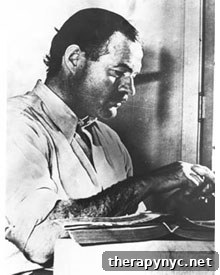
Ernest Hemingway was a celebrated writer, journalist and Nobel Prize laureate. His best-known works include The Old Man and the Sea and The Sun Also Rises. He also worked as a correspondent in several conflicts, including the Spanish Civil War, and his life and reporting shaped many of his insights.
Below are nine concise pieces of practical wisdom inspired by Hemingway’s writing and outlook.
1. Listen
“I like to listen. I have learned a great deal from listening carefully. Most people never listen.”
Listening well is a rare skill. Too often we wait for our turn to speak or rehearse a reply instead of absorbing what the other person is saying. Better listening starts with three habits:
- Forget yourself. Shift attention outward and make the conversation about the other person. This reduces self-centeredness and the urge to dominate.
- Stay present. Focus on the moment instead of planning your response. Presence shows in body language and helps you truly hear what’s being said.
- Be open. Assume what the other person says could be interesting or valuable. Prejudging a conversation as boring makes it so.
When you listen fully, your responses tend to be more genuine and useful than clever retorts you’ve forced while distracted.
2. Take the first step
“The best way to find out if you can trust somebody is to trust them.”
If everyone waits for someone else to act, nothing happens. Taking the first step—whether to trust, to ask, or to initiate—reveals whether a relationship or plan can move forward. Even if the result isn’t what you hoped, acting gives you useful information. Be proactive rather than passive.
3. Keep your eyes on the destination
“Never mistake motion for action.”
Busyness is not the same as progress. You can spend hours organizing email or reworking plans without advancing toward your goals. Prioritize tasks that align with your objectives and cut out busywork that only creates the illusion of productivity. Focus on meaningful action that moves you forward.
4. Just do it
“The shortest answer is doing the thing.”
Action beats endless planning and overthinking. Some planning is necessary, but plans without execution produce no results. Try something—success may follow, and failure will teach you. Repeated action builds skills, momentum and confidence.
5. Do. Fail. Learn. Do again.
“The first draft of anything is shit.”
Most worthwhile work is imperfect at first. Treat initial failures as part of the process: learn, adapt, and try again. Adopt the resilience of a child learning to walk—fall, learn, and stand back up. That iterative approach yields lasting progress.
6. Grow stronger through hardship
“The world breaks everyone, and afterward, some are strong at the broken places.”
Everyone faces difficulties; they are part of life. You can either let past pain define you or use it to build resilience. Recognize the past, accept what you cannot change, and decide how you will move forward as who you are now—planning and acting rather than remaining a victim of history.
7. Don’t sweat the small stuff
“The man who has begun to live more seriously within begins to live more simply without.”
As priorities shift, many petty concerns fall away. Simplify your life by letting trivial matters go and freeing time and energy for what truly matters. Ask yourself: will this matter in five years? If not, let it go and create space for what matters most.
8. Don’t let imagination paralyze you
“Cowardice … is almost always simply a lack of ability to suspend the functioning of the imagination.”
Imagination can produce vivid worst-case scenarios that rarely materialize. The fear that prevents action often lives in possibility, not reality. Reconnect with the present moment—focus on what is actually happening rather than imagined disasters. Practices that cultivate presence can reduce anxiety and restore clarity; works by contemporary teachers on presence may offer practical guidance.
9. Seek to understand, don’t judge
“The writer’s job is not to judge, but to seek to understand.”
Whether in writing or life, striving to understand others—rather than rushing to judge—deepens relationships and improves communication. Judgment can strengthen the ego with a fleeting boost, but acceptance brings steadiness and opens the door to empathy. You can accept a person’s viewpoint without surrendering your own perspective, and through understanding you’ll often find more effective ways to connect and act.
Hemingway’s lines are simple but practical: listen more, act sooner, focus on what matters, learn from failure and cultivate presence and understanding. Put these principles into practice and they will quietly reshape how you work, relate and live.