5 Subtle Ways Personal Development Advice Messes with Your Mind

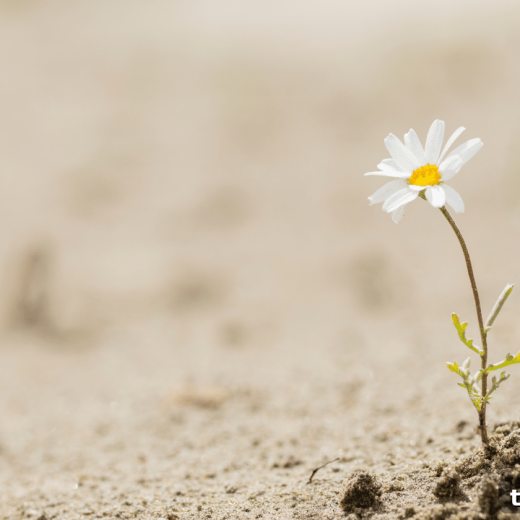
Image by gutter (creative commons license).
“Make it thy business to know thyself, which is the most difficult lesson in the world.”
Miguel de Cervantes
Personal development and self-improvement resources can genuinely transform a life. They offer tools, perspectives, and motivation that help people grow. But like any tool, if used poorly they can do more harm than good. Below I describe five common ways that consuming personal development material can undermine your progress—based on common patterns I’ve seen and experienced. Knowing these pitfalls can help you use books, blogs, podcasts, and courses more effectively so they fuel action rather than stall it.
1. It encourages overthinking and overcomplication.
Two people facing the same challenge can take very different paths. One person may experiment, fail, learn, and gradually solve the problem. Another dives into books and articles searching for the perfect answer. When you keep hunting for an ideal solution, the problem often grows larger in your mind. Each new idea adds complexity and doubt, and action begins to feel risky or impossibly complicated. Real progress usually comes from simple, repeated actions rather than endless researching.
2. It can create an emotional dependency on information.
Consuming personal growth content releases short-term satisfaction: a hit of hope or inspiration. That feeling can become addictive. Reading another article or finishing another book feels safe compared with the discomfort of taking imperfect action. Over time, you may accumulate knowledge without applying it—appearing productive while actually avoiding the difficult but necessary work. This pattern is similar to other avoidance behaviors like excessive shopping or gaming: temporary relief without lasting change.
3. It leads to confusion from information overload.
We live in an era of abundant advice. Different teachers and traditions often give conflicting guidance. One expert emphasizes discipline, another presence; one method prioritizes systems, another mindset. Learning from many sources can broaden your view, but absorbing too many perspectives at once can create analysis paralysis. Instead of clarifying your path, a flood of ideas may leave you unsure which approach to try. Focused learning, applied consistently, beats trying to follow every voice at once.
4. It makes you feel you are never ready.
Reading more can create the illusion that you need more preparation before you can start. You begin to believe you’re not yet skilled, not yet confident, not yet sufficient—so you delay beginning. In part this protects you from failure and discomfort; in part it keeps low self-esteem steady by substituting knowledge for action. The antidote is a deliberate mindset shift: decide you are able enough to start. That doesn’t mean you stop learning. It means you balance study with practice and recognize that growth happens through doing, not just knowing.
5. It encourages the myth of quick fixes and perfection.
Many people look for a single book, method, or hack that will fix everything—a magical shortcut to a better life. Self-improvement rarely works that way. Some gains can be rapid, but most meaningful change is incremental, uneven, and ongoing. You’ll make progress in fits and starts. There won’t be a moment of perfect transformation. Accepting that improvement is a long-term, messy process helps you set realistic expectations and celebrate small wins.
How to use personal development material in a healthy, productive way
Here are a few practical strategies I use to avoid the common traps above and turn insight into sustainable progress.
- Stay aware of the pitfalls. Simply recognizing these tendencies—overcomplication, information addiction, confusion, perpetual unreadiness, and the search for perfection—helps you check yourself when you slide into them.
- Set limits and priorities. Control how much time you spend consuming content. A useful rule is to spend the majority of your time acting and refining: for example, aim for roughly 80% action and 20% learning. That ratio keeps knowledge serving practice rather than replacing it.
- Take immediate, small action. After you learn one useful idea, do something with it right away—even a tiny step. Immediate application prevents research from becoming avoidance and helps you learn faster through real feedback.
- Simplify and test. Choose one principle or habit to apply for a set period (two to six weeks). Test it, refine it, and measure the impact. If it helps, keep it; if it doesn’t, move on. This incremental experimentation beats trying to implement many strategies at once.
- Cultivate self-compassion. Accept that progress is imperfect. Treat setbacks as data, not proof you’re failing. Compassion reduces fear and makes consistent action more sustainable.
If you found this article helpful, please share it with others who care about practical personal growth. Thank you!