How to Build Resilience in Older Adults: Beyond Diet and Exercise
There’s more to aging well than diet and exercise. Twenty years ago I began working with people facing life-altering illnesses, many nearing the end of life. Friends and strangers would ask me, “Isn’t it depressing? How do you sleep at night?”
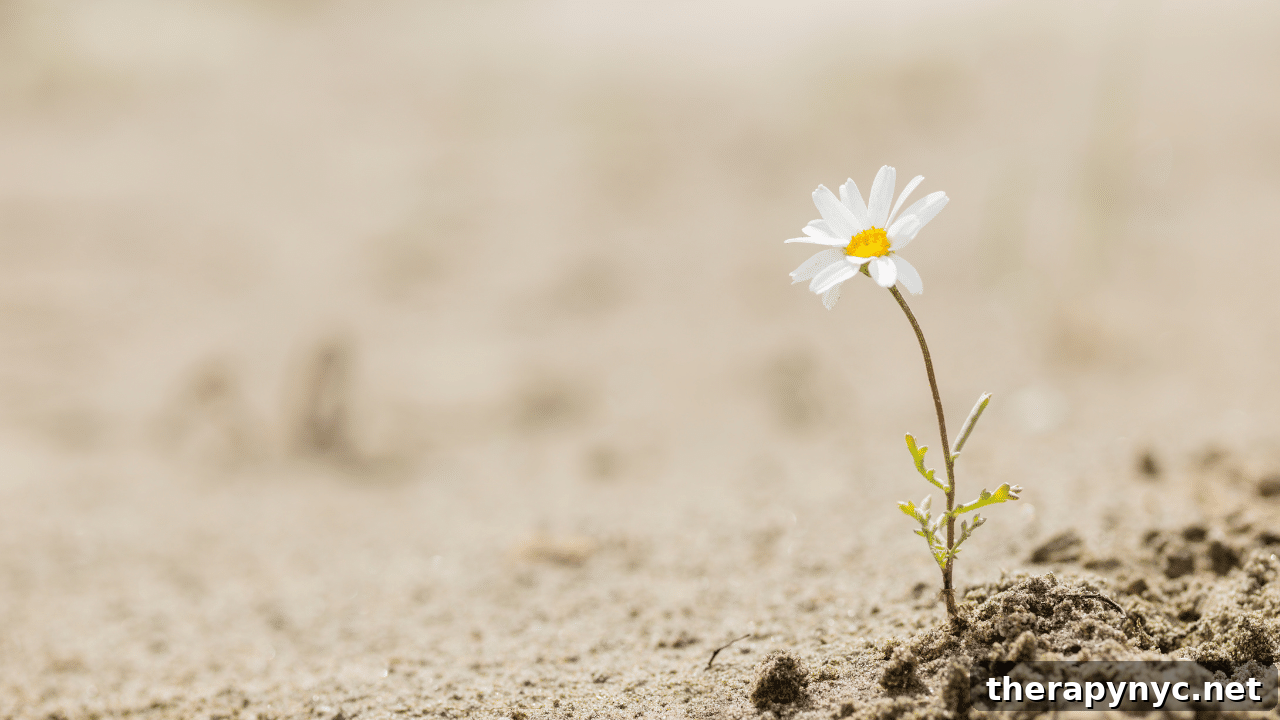
My answer was always the same: people are more than their problems. Time and again I witnessed the human spirit’s resilience, even in hospice care when patients were most physically vulnerable. That resilience shaped my understanding of what it means to age well.
What is resilience?
The American Psychological Association defines resilience as “the process of adapting well in the face of adversity, trauma, tragedy, threats, or significant sources of stress,” in other words, the ability to “bounce back” from difficult experiences. The encouraging news is that resilience can be developed regardless of income, past hardship, or current health.
Research shows resilience often grows with age. Some studies report that people aged 85 and older have levels of psychological resilience equal to or greater than younger adults. In one study, centenarians—people 100 years and older—displayed the highest resilience among older groups. Another finding suggested that those aged 94–98 with high resilience were 43.1% more likely to reach 100 years than peers with low resilience. While individual results vary, a clear pattern emerges: the adversities we face across life can strengthen our capacity to meet future challenges.
Benefits of resilience in older adulthood
We often focus on decline and loss as central to aging, but that perspective overlooks an important truth: many older adults develop remarkable resilience. This psychological strength supports adaptability, preserves wellbeing, and improves outcomes, even for those with chronic illness.
When older adults cultivate resilience, they are better able to adapt to life transitions, manage health setbacks, and sustain a sense of purpose. Specific benefits tied to high resilience include:
- Improved quality of life and better mental health, contributing to self-perceived successful aging
- Greater happiness, wellbeing, and life satisfaction
- Increased resistance to stress and lower rates of depression
- Positive physical outcomes, such as maintained independence in daily activities, longer longevity, lower mortality risk, and quicker cardiovascular recovery after stress
Shifting the cultural narrative from frailty and limitation toward resilience recognizes that vulnerability and strength can coexist. Even amid illness and loss, many older adults find new ways to thrive.
How to cultivate resilience among older adults
Building resilience is like strengthening the roots of a tree—small, steady investments pay off when storms arrive. Research on resilient older adults identifies several common practices and attitudes that support resilience. Below are six practical strategies that foster emotional strength and wellbeing in later life.
Six strategies to build resilience in older adulthood
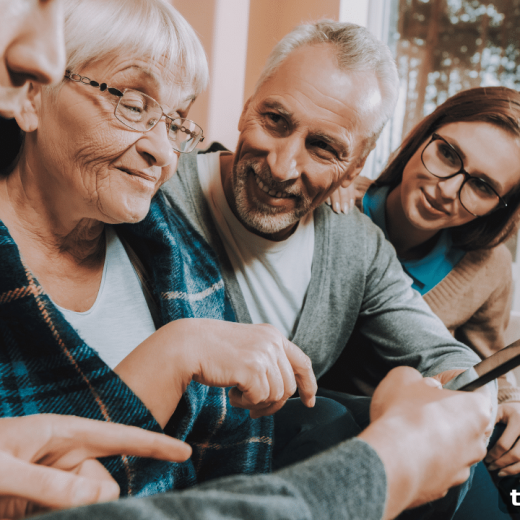
- Maintain strong relationships and social support: Close connections provide emotional warmth and practical help. Regular family meals, walks with friends, or joining clubs and online groups with shared interests help sustain meaningful bonds.
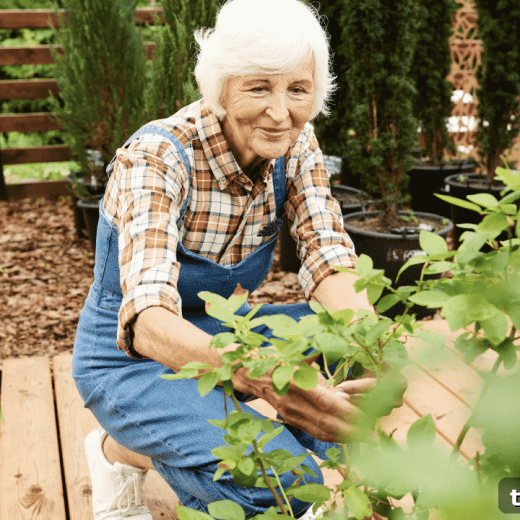
- Be active in the community: Volunteering, participating in community gardens, or joining neighborhood initiatives create purpose and broaden social networks, strengthening psychological resilience.
- Keep hope alive: Hope sustains motivation. Setting small, achievable goals each day—whether learning a new recipe or starting a short exercise routine—helps maintain a sense of forward movement and purpose.
- Develop strong coping skills: Equip yourself with practical tools like deep-breathing, mindfulness, and cognitive strategies that reframe stress. Reflecting on past challenges and how you overcame them can remind you of your inner resources.
- Cultivate optimism: Intentional practices such as keeping a gratitude journal or noting daily positives encourage a more hopeful outlook, which supports resilience over time.
- Embrace positive thinking and emotions: Consciously noticing moments of joy, practicing mindfulness, and focusing on what still brings satisfaction can help sustain emotional wellbeing even during difficult times.
Each of these strategies is accessible and adaptable. Small, regular steps—nurturing relationships, engaging in meaningful activities, and practicing mental skills—accumulate into greater resilience and a richer experience of aging.
Let’s reframe later life as a stage filled with opportunities for growth, connection, and continued learning. Aging is not only about the years we live but about the life we bring to those years. Resilience becomes a guiding light: a source of renewed strength, deeper meaning, and sustained wellbeing.
Want to learn more about ageism and its impact on physical and mental health? Check out this 60-min course. Your future self will thank you.