10 Ways to Improve Mental Health Care Access for Older Adults

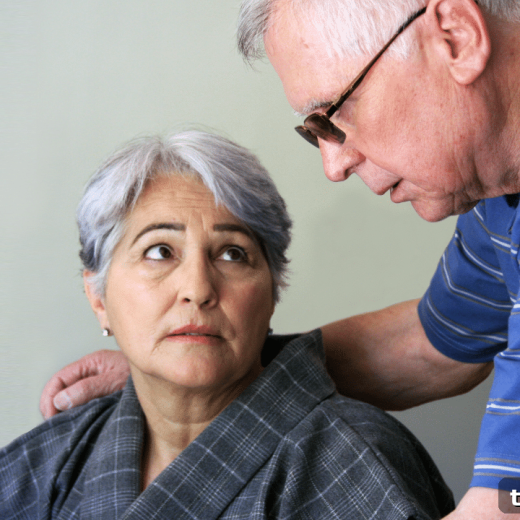
Up to one in five older adults lives with a mental health condition such as depression, anxiety, or substance use disorder. Yet many go undiagnosed and untreated. Too often we focus only on the body and overlook the mind and spirit.
The important truth is that mental health conditions are treatable at any age. What prevents older adults from receiving care is not biology but barriers—barriers that can be identified and overcome.
There’s no expiration date on healing, transformation, and love.
Whether you are a healthcare provider, therapist, care manager, or advocate, here are 10 practical ways to help older adults access the mental health care they deserve.
1. Challenge the Belief That Mental Illness Is “Normal” in Aging
Many people, including professionals, assume sadness or anxiety is an inevitable part of growing older. That misconception silences older adults and convinces them that emotional pain is something they must simply accept.
Action: Make mental health screenings a routine part of medical and wellness checkups. Normalize emotional check-ins during intake and follow-up visits. Educate families and caregivers that mood changes in later life are signals for care, not inevitable decline.
2. Show That Growth and Healing Are Possible at Any Age
There’s a stereotype that older people are “set in their ways” and resistant to therapy. In reality, many older adults bring deep life experience, resilience, and motivation for change. They often seek meaning, connection, and peace after loss or illness.
Action: Share real examples of older adults benefiting from therapy and community supports. Promote treatment approaches that emphasize purpose, legacy, and spiritual well-being—areas that often resonate strongly with older clients.
3. Train the Workforce in Mental Health and Aging
Despite the growing aging population, only a small percentage of mental health professionals receive formal training in aging-related mental health. Without this knowledge, clinicians can miss signs of depression, anxiety, or cognitive changes.
Action: Advocate for geriatric mental health training in clinical education and continuing professional development. Encourage agencies and institutions to include aging-specific modules so clinicians can better recognize and respond to older adults’ needs.
4. Recognize That Emotional Distress Often Appears as Physical Symptoms
Older adults may describe fatigue, unexplained aches, sleep problems, or stomach issues rather than naming anxiety or depression. Physical complaints can hide underlying emotional distress and delay appropriate treatment.
Action: When older patients report new or persistent physical symptoms, include questions about mood, sleep, stress, and social support. Use integrated mind-body assessments to uncover emotional contributors to physical complaints.
5. Break the Stigma Around Mental Health in Older Generations
Many older adults were raised during times when mental illness carried heavy stigma and was seen as a weakness. That legacy still prevents some people from seeking help.
Action: Foster open conversations that normalize emotional struggle as part of life’s challenges. Support peer-led groups where older adults can share experiences. Present therapy as a tool for strength, resilience, and improved quality of life.
6. Integrate Mental Health Into Primary Care
Older adults frequently see primary care providers more often than mental health specialists. When visits focus only on physical conditions, emotional and cognitive concerns can be overlooked.
Action: Promote integrated care models that place mental health professionals within primary care settings or create clear referral pathways. Encourage collaborative planning and communication between physicians, nurses, and therapists for coordinated care.
7. Provide Culturally Affirming and Inclusive Services
The aging population is increasingly diverse, yet mental health services do not always reflect that diversity. Cultural differences in expression, spirituality, and help-seeking can lead to mistrust and underuse of services.
Action: Invest in cultural humility training, hire staff who reflect the communities served, and offer materials in multiple languages. Respect cultural preferences around healing, family roles, and spirituality to make care more accessible and meaningful.
8. Screen Early for Cognitive and Emotional Concerns
Mood disorders can increase the risk of cognitive decline, and early signs of dementia are sometimes mistaken for normal aging. Delayed recognition reduces the opportunity for effective early intervention.
Action: Implement routine screening for both mood and cognitive function using validated tools. Foster collaboration between mental health, primary care, and neurology to ensure timely assessment and care planning.
9. Confront Ageism in Ourselves and Our Systems
Ageism—the undervaluing of older people—creates real barriers to care. When systems and professionals assume older adults cannot benefit from therapy or change, they limit access and perpetuate harm.
Action: Reflect on personal biases and review organizational policies and language for ageist assumptions. Include older adults in decision-making and program design so services respect their expertise and lived experience.
10. Take Suicide Risk in Older Adults Seriously
Suicide among older adults, particularly older men, is a critical but often overlooked public health issue. Depression in later life can show up as withdrawal, irritability, or increasing physical complaints—signs that may go unrecognized if not explicitly assessed.
Action: Make suicide risk screening a routine part of care for older adults. Ask direct, compassionate questions about loneliness, sense of purpose, and safety. Establish clear follow-up procedures and supports when risk is identified.
Join the Movement to Improve Mental Health Care for Older Adults
Each of these steps shifts our culture and care systems toward dignity, access, and healing. But meaningful change requires shared effort.
Want to be part of the solution? Consider using available clinician guides and resources focused on mental health and aging. Share training opportunities, advocate for policy changes, and create spaces where older adults’ voices guide care.
Whether you are a therapist, healthcare professional, caregiver, or advocate, your attention and compassion make a difference. When systems and communities prioritize mental health for older adults, we help people not only live longer but live better.
Because there’s no expiration date on healing, transformation, and love.
Share this article with a colleague, friend, or loved one who would benefit. Together we can foster belonging and connection in every season of life.
There’s no expiration date on healing, transformation, and love.