Student Mental Health 2025: Trends, Challenges and Solutions

The school year is underway, bringing both excitement and adjustment for families. As children settle into classes and reconnect with peers, returning to routines and responsibilities can also create stress and emotional strain for some students.
Grow Therapy’s 2025 parent survey examined how these pressures affect children’s mental health. The findings show that while many children handle the school year well, a significant portion experience stress or emotional challenges. At the same time, growing parental awareness and greater access to therapy are helping families support children and build resilience.
Key takeaways
- Nearly half of parents report their children struggle emotionally when school begins.
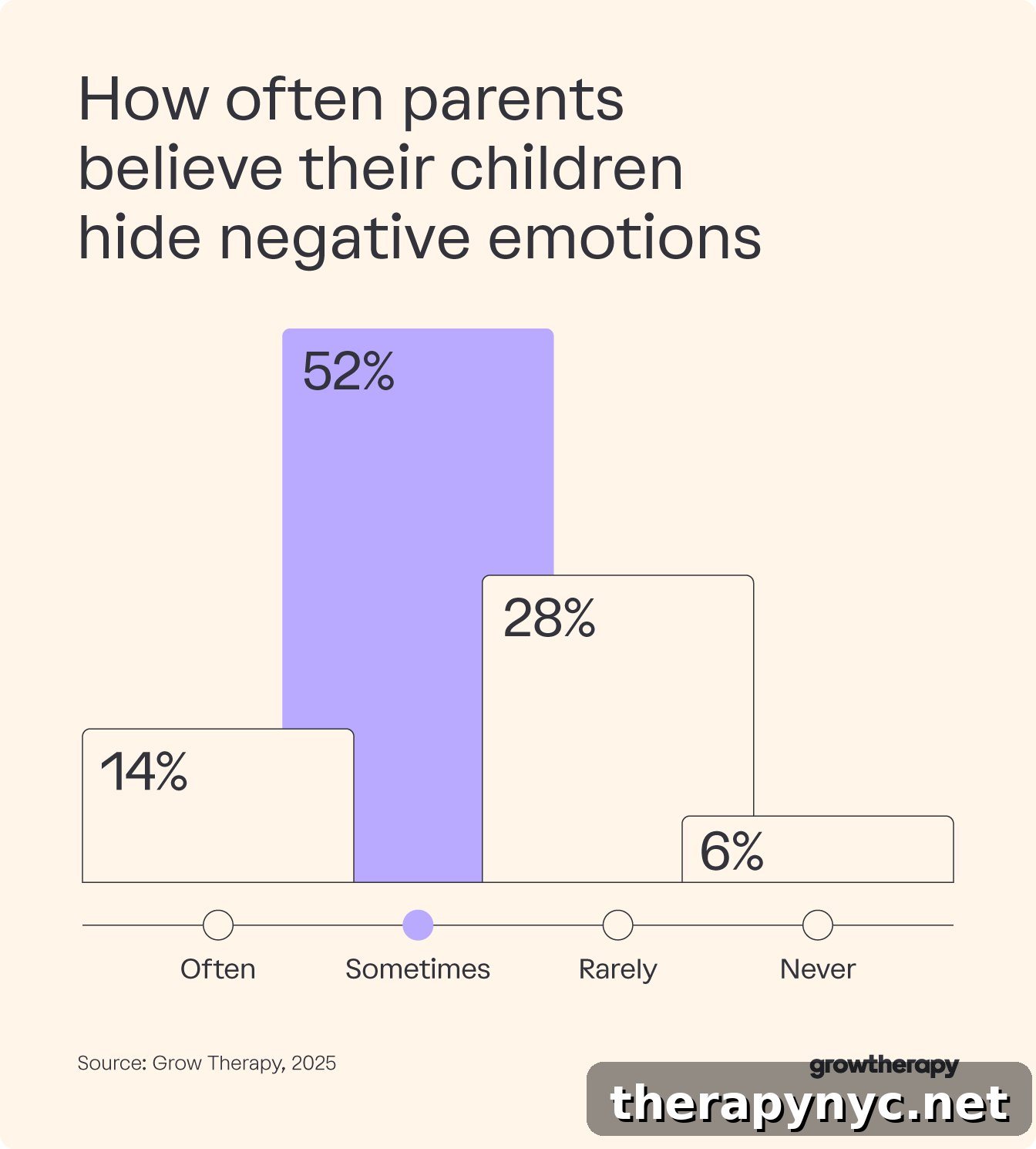
- Two-thirds say their child sometimes or often hides negative emotions from them.
- One in three parents identifies social challenges as the top factor affecting their child’s mental health.
- Among parents using Grow Therapy, 88% say they feel less worried about their child’s mental health after starting care.
Stress at school affects nearly half of children, often unseen by parents
The survey found that almost half of parents (41%) notice their children experiencing stress, anxiety, or sadness during the school year. Between homework, social pressures, and extracurricular demands, many students carry stress that isn’t always visible at home.
Two-thirds of those parents report their child at least sometimes hides negative feelings, and 14% say this happens often.
At the same time, a majority—51%—say their children approach school with positivity and emotional balance. This contrast shows that while many kids thrive, a sizable group still needs support. Increasing awareness and encouraging open conversations can help parents intervene early, preventing small problems from growing into larger ones.
Social challenges and academic pressure top the list of stressors
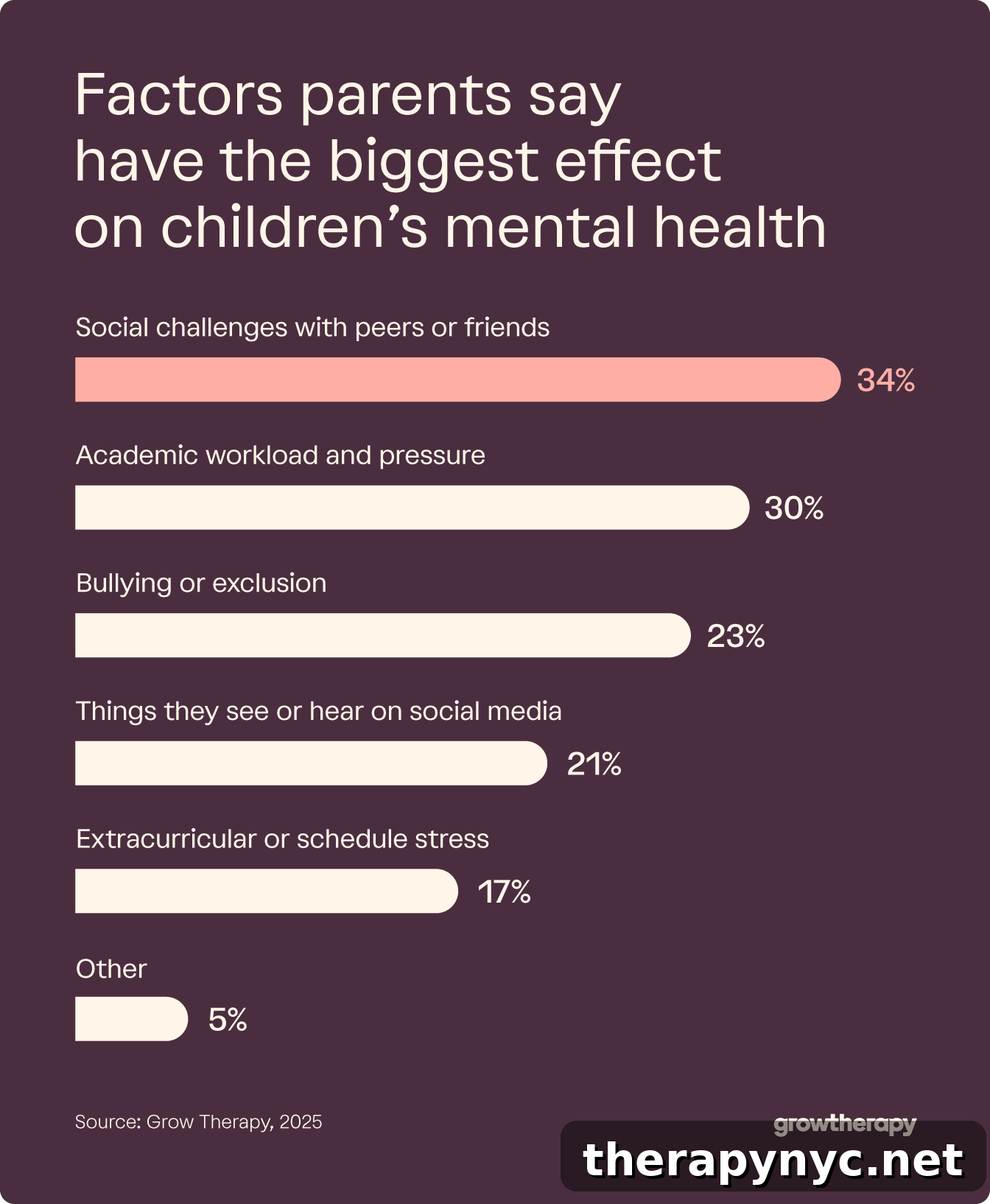
When asked which factors most affect their child’s mental health, parents most commonly cited social and academic pressures. Roughly one-third pointed to peer relationships and social dynamics as the biggest influence, while 30% identified academic workload and performance pressure. Nearly a quarter (23%) named bullying or social exclusion as a major concern.
These results emphasize that school-related stress goes beyond grades. Managing friendships, fitting in, and navigating social expectations can be as impactful on a child’s well-being as homework and tests. Fortunately, increased awareness and better access to mental health care are helping families address these issues more proactively.
Parents are learning to recognize emotional struggles
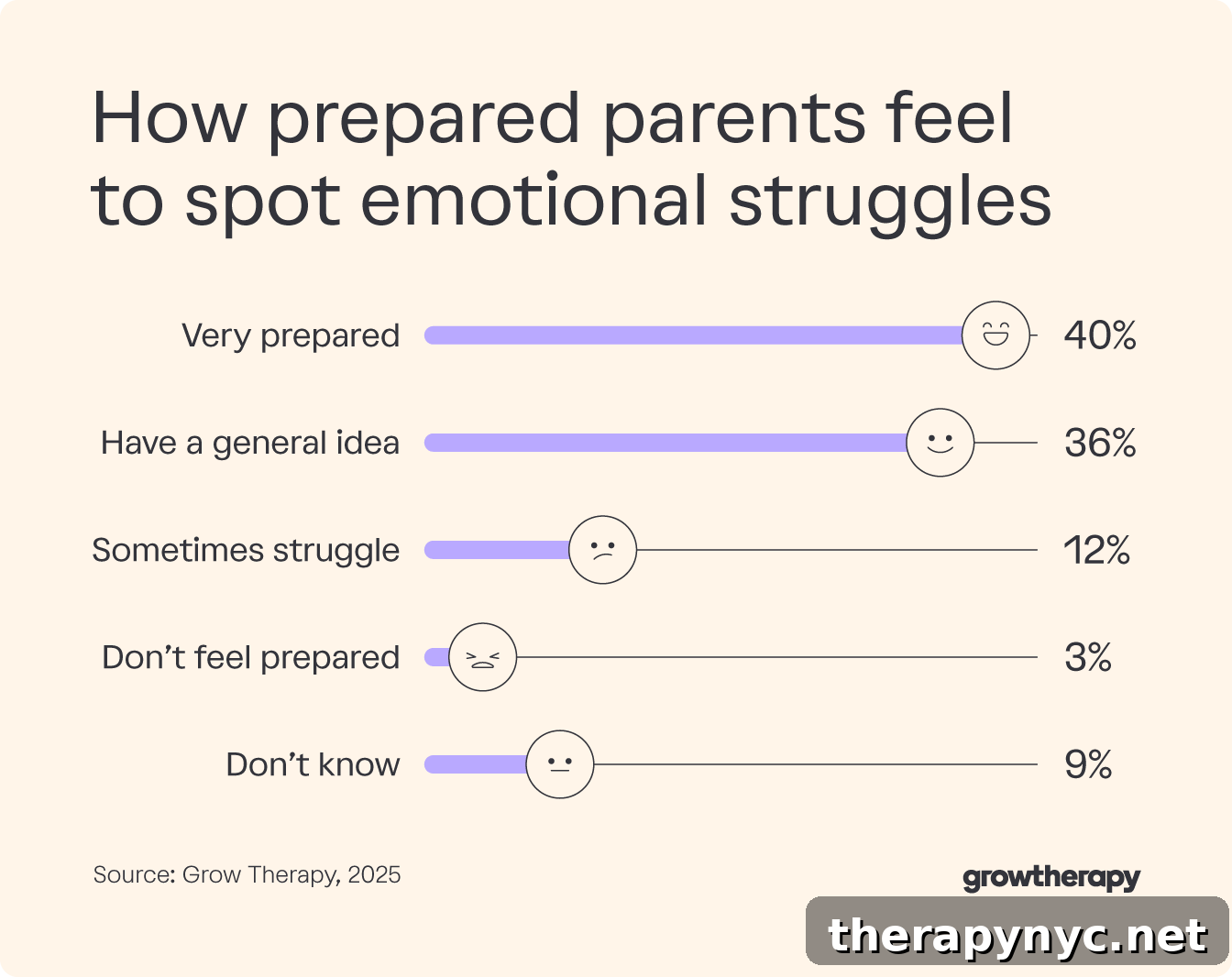
More parents are becoming attuned to their children’s emotional health. About 40% feel very prepared to spot warning signs of mental health struggles, while another 36% have a general sense but would value more guidance. This growing vigilance helps families identify needs and seek support sooner.
“I see the pattern of parents taking their child/children’s mental health seriously in regard to paying attention to behavior changes, talking to their child/children, and seeking support for them, such as therapy or school-based resources,” says Monica Randle, LPCC, a Grow Therapy provider.
An internal Grow Therapy survey of parents whose children are currently in care reinforces this trend. Of 116 respondents, 88% report feeling less worried about their child’s mental health after starting care, and 79% say they are having more open conversations about mental health with their child.
As parents grow more aware, families are finding practical ways to support emotional wellbeing before issues become more serious.
Experts share practical ways parents can support children
Parents don’t have to manage school-related stress alone. Experts recommend consistent, simple steps that add up and help children cope more effectively.
Randle emphasizes the importance of creating a balanced home environment. That means predictable routines, scheduled breaks, and modeling healthy coping strategies. These habits help children build steady, proactive responses to stress over time.
It’s also important to notice when a child continues to struggle. “Depression, anxiety, and stress may show up differently in children than in adults,” Randle explains. “Look for irritability, frustration, withdrawal, sudden behavior changes, or shifts in sleep and appetite. Kids might avoid schoolwork or social activities as a way to escape stressors.”
Regular check-ins make it easier for parents to spot patterns and offer support. Randle suggests asking open questions and letting children know you’re available to listen. Consistent, compassionate attention helps children feel understood and more likely to share their feelings.
Therapy is becoming more accessible for children
Professional therapy can give children tools to manage stress and build resilience alongside daily family support. “Therapy is a safe space to talk through emotions rather than holding them in or expressing them in unhealthy ways,” Randle says. “It teaches coping strategies that reduce symptoms and help children manage emotions long term.”
“Therapy is a safe space to talk through emotions versus holding them in, or expressing them in unhealthy ways. Therapy can help children learn coping strategies that not only minimize symptoms but also manage them.”
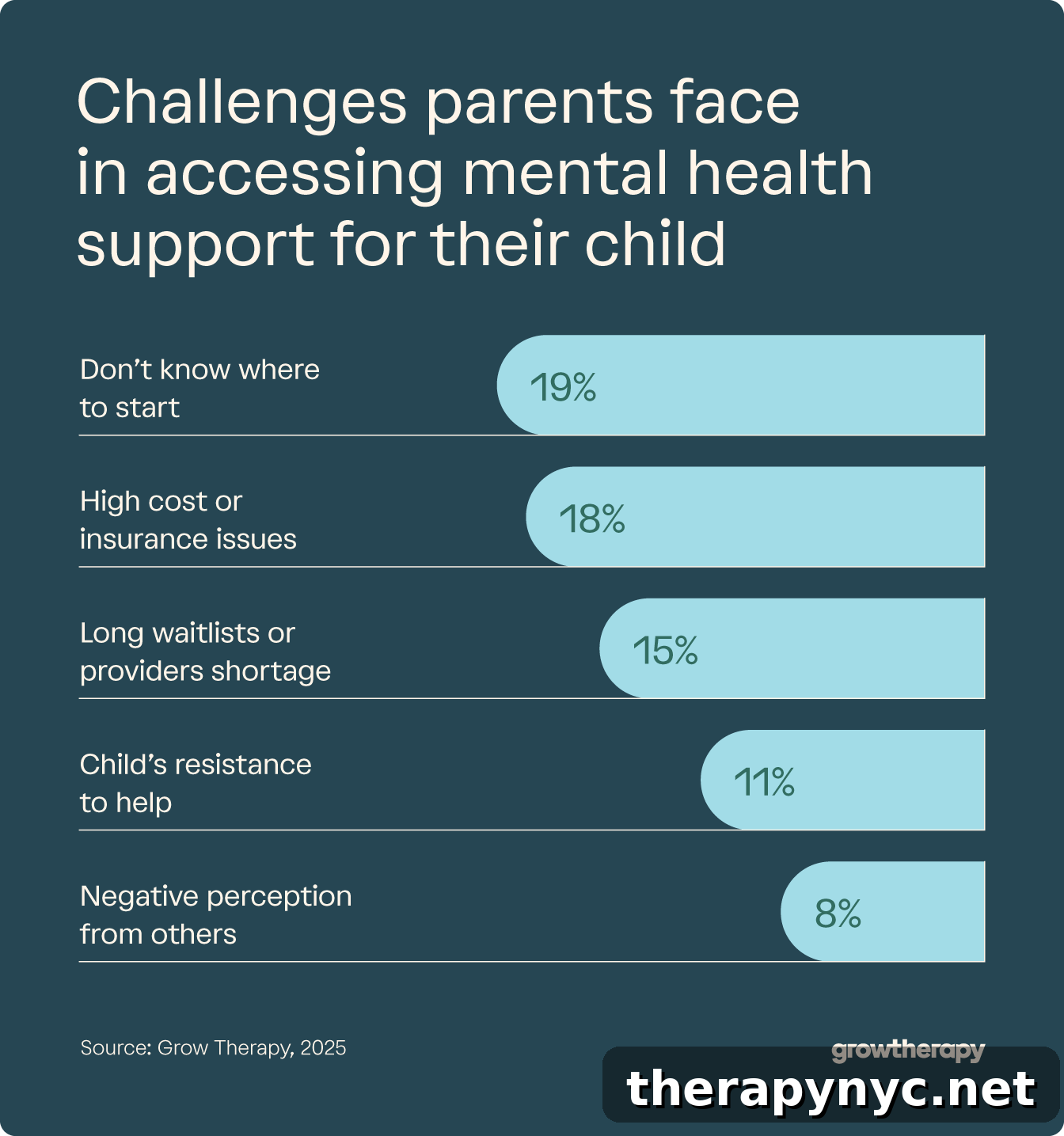
Finding mental health care can feel confusing at first. The survey identified common barriers: about 19% of parents say not knowing where to start is the biggest challenge, while 18% cite cost or insurance limits, and 15% point to long waitlists or a shortage of providers.
Encouragingly, many parents reported that these obstacles are becoming easier to overcome:
- 91% were able to find care covered by insurance
- 71% said finding care for their child was easier than expected
- 85% were able to access affordable care
A wider selection of clinicians, expanded insurance coverage, and flexible online therapy options are making it more feasible for families to connect children with the care they need.
Access licensed therapists for your child with Grow Therapy
As parents pay closer attention to emotional wellbeing, therapy remains a proven way to help children manage stress before it escalates. Grow Therapy offers flexible scheduling, minimal wait times, and no subscription requirement, simplifying access to licensed therapists. Consider starting with a first appointment to explore support options for your child.
Methodology
- The survey was conducted online by YouGov among 752 parents of children under 18. Fieldwork took place from September 29 to October 3, 2025. Respondents were selected from the YouGov panel using randomized invitations and completed the survey online.
- Results were weighted to reflect the demographic profile of U.S. adults (18+) who are parents of children under 18.