4 Timeless Success Rules from Andrew Carnegie
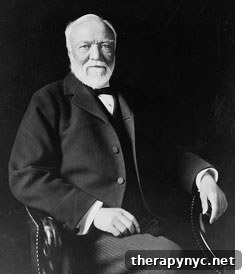
“Aim for the highest.”
“You cannot push anyone up the ladder unless he is willing to climb.”
In the late 1800s there lived an immensely wealthy man whose life and thinking influenced generations of entrepreneurs and self-improvement writers. His name was Andrew Carnegie. You might recognize him from the classic personal development book Think and Grow Rich: Carnegie commissioned the author Napoleon Hill to interview dozens of successful people, and those interviews became the foundation for the book. Below are four practical principles derived from Carnegie’s thinking that can help you pursue lasting success.
1. Pay attention to actions, not just words.
“As I grow older, I pay less attention to what men say. I just watch what they do.”
Actions reveal priorities. Talk is easy and often comforting, but consistent behavior—especially when things get difficult—is the true measure of commitment. If you want to evaluate others, observe their habits and results over time. If you want to evaluate yourself, compare your intentions to what you actually accomplish week after week.
Discussion and planning are useful, but they must lead to deliberate steps. Small, repeatable actions accumulate into real progress. When you notice a gap between what you promise and what you achieve, treat it as information: tweak your routines, reduce friction, and then test again. Over time, behavior becomes a clearer predictor of future success than any single speech or pep talk.
2. Make the work light and even enjoyable.
“There is little success where there is little laughter.”
If striving feels like a constant uphill battle, you will burn out. When desire turns into heavy anxiety, problems often look larger than they are. Instead of glorifying struggle, look for ways to simplify tasks and add enjoyment. Humor, playfulness, and positive energy make it easier to sustain effort and recover from setbacks.
Practical steps include breaking projects into smaller, clearer actions, celebrating small wins, and working with people who bring levity. This doesn’t mean avoiding discipline; it means reducing self-imposed drama and removing unnecessary friction so you can make steady, joyful progress.
3. Be persistent and focus on one line.
“The men who have succeeded are men who have chosen one line and stuck to it.”
Spreading yourself across too many ideas is a fast track to mediocrity. Enthusiasm for every new possibility can lead to shallow effort and frequent abandonment. To build skill and momentum, choose a primary direction—whether it’s a career path, a business model, or a creative practice—and commit to it long enough to learn, iterate, and produce results.
That said, finding the right line sometimes requires experimentation. Try a few paths briefly to learn what engages you and where there is real opportunity, then concentrate your energy on the best option. Persistence combined with focused practice compounds over months and years, turning modest daily progress into substantial achievement.
4. Motivate yourself; make it a personal responsibility.
“People who are unable to motivate themselves must be content with mediocrity, no matter how impressive their other talents.”
External encouragement helps, but it is unreliable. The one person who’s always present is you, so building internal motivation is essential. Develop habits that reduce the need for motivation—clear routines, deadlines, accountability systems, and rituals that prime you for action. Learn techniques to refresh your focus: short breaks, variety in tasks, and reminders of why the work matters.
Accept that motivation will ebb and flow. What matters is your ability to keep moving forward through low-motivation stretches. Over time you’ll grow more resilient, and starting will become easier as disciplined habits replace the need for constant inspiration.
Carnegie’s lessons are straightforward but powerful: watch deeds more than words, make the journey enjoyable, commit to a focused path, and take responsibility for your own motivation. Together these principles build a foundation for consistent progress and meaningful results.
For more practical strategies on keeping yourself motivated and turning intention into daily action, look for resources on self-motivation and habit formation that emphasize specific routines, accountability methods, and simple ways to reduce friction in your work.