5 Ageist Phrases to Stop Using in 2024
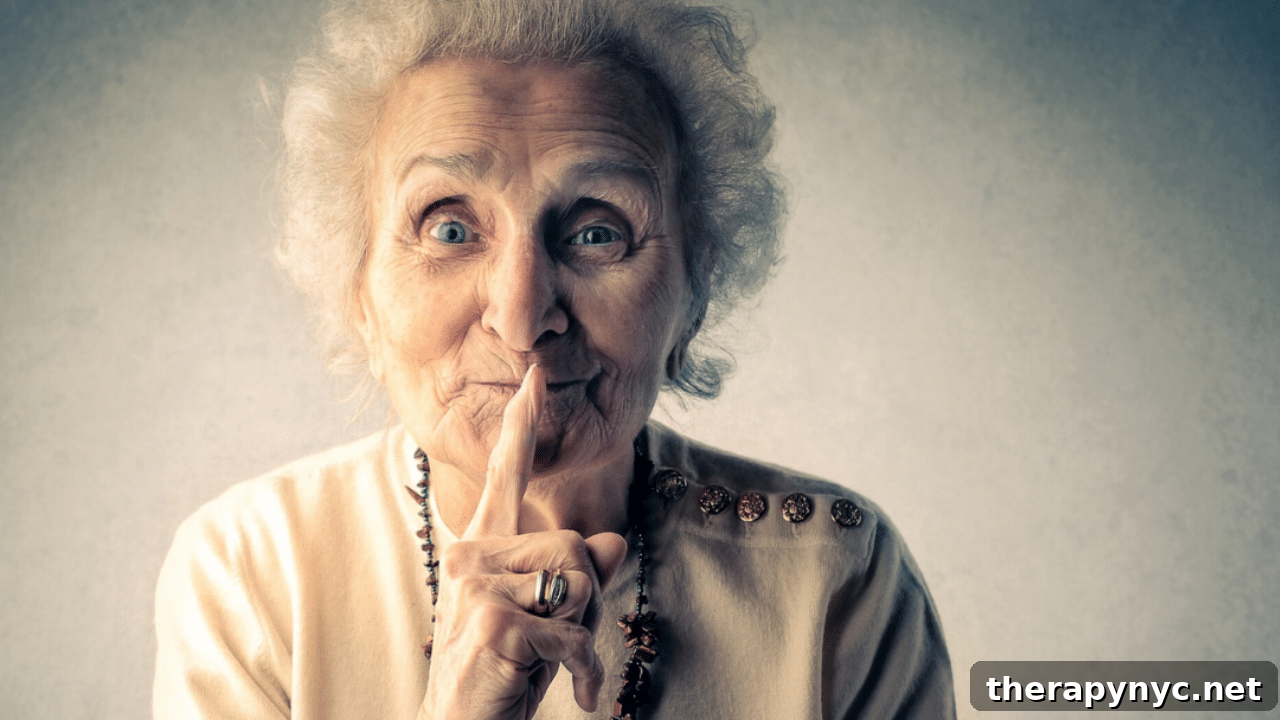
At a recent family gathering I overheard two older relatives, who hadn’t seen each other in ten years, exchange these lines: “You look great for your age.” “You don’t look so bad.” Those comments are often delivered with good intentions, but they reveal how casual ageist language has become socially acceptable.
What might seem harmless can actually contribute to real harm. Decades of research — including Dr. Becca Levy’s influential work at Yale — show that negative age stereotypes affect physical and mental health. For example, Levy and her colleagues found that younger people who internalize negative attitudes about aging face a higher chance of experiencing cardiovascular events over long follow-up periods. Conversely, adopting more positive beliefs about aging can lower that risk.
With this in mind, it’s worth reconsidering common phrases that reinforce ageism. Changing our language helps reshape expectations and can protect the wellbeing of the people we care about — and our future selves.
1. “You look great for your age”
At first glance this sounds like praise, but it actually qualifies the compliment in a way that makes youth the default standard. The phrase implies that looking older would be undesirable. That reinforces the idea that worth is tied to youthfulness.
Better approach: Give straightforward compliments without referencing age. Say, “You look great,” or comment on something specific like, “That color suits you,” or “You have a wonderful energy.”
2. “She’s too old to do that”
There is no universal cutoff for pursuing interests, taking on challenges, or having fun. Dismissing someone because of their age undermines their autonomy and ignores the many ways people continue to learn and contribute later in life.
Better approach: Encourage and celebrate people pursuing passions or trying new activities, regardless of age. Ask what they enjoy and offer support rather than assuming limitations.
3. “Senior moment”
Using “senior moment” to explain forgetfulness attributes a normal, everyday lapse to aging and reinforces negative assumptions about cognitive decline. While certain memory disorders become more common with age, normal forgetfulness is not the same as disease, and labeling it as inevitable can discourage people from seeking assessment when they need it.
Better approach: Describe the incident without age-based framing: “I forgot that,” or “I had a lapse of memory.” If someone experiences frequent or worsening memory problems, encourage a medical evaluation rather than normalizing impairment as an expected consequence of aging.
4. “Act your age”
This phrase polices behavior according to arbitrary expectations about what someone of a certain age should or should not do. It suggests that spirited or unconventional behavior is inappropriate for older people and supports a narrow vision of what later life must look like.
Better approach: Allow people to express themselves and live authentically. Celebrate diversity in interests, energy levels, and lifestyle choices across the lifespan.
5. “Old dogs can’t learn new tricks”
The idea that older people cannot learn is outdated. Research in gerontology and psychology shows that learning capacity is influenced by motivation, opportunity, and support, not just chronological age. Older adults are constantly adapting to changes — new technology, new roles, health challenges, and loss — and many continue to take up new skills, careers, or hobbies.
Better approach: Highlight examples of lifelong learning and encourage accessible opportunities for skill development at every age. Reframing aging as a time of potential and growth helps counter limiting stereotypes.
The words we choose matter. Small shifts in language can reduce stigma and help create a culture that respects aging as a natural, meaningful stage of life. When we stop normalizing ageist expressions and start speaking about aging with nuance and respect, we contribute to better attitudes and outcomes for everyone.
Commit to noticing and correcting ageist language in your conversations. Be an ambassador for a more inclusive narrative about aging — one that honors the diversity, capability, and value of older adults.