Emergency Preparedness for Seniors: Resources and Tips
As I write this, wildfires and windstorms are affecting parts of Los Angeles. Having grown up near those areas, I’ve been moved by the resilience shown by neighbors and local communities—especially the ways people check on and support older adults during crises.
Stories like this illustrate how important it is to prepare for emergencies, to check on neighbors, and to ensure older adults have the help they need to stay safe. That inspired me to gather practical resources and tips for helping older adults plan for disasters.
Emergency preparedness matters most for people with needs that may require extra attention during a crisis—mobility limitations, ongoing medical care, or special supplies. Thoughtful planning and a reliable support network can make the difference between safety and risk.
Ready.gov summarizes preparedness into four essential steps. Below I expand on those steps and offer resources tailored to older adults and caregivers.
Your 4 Steps to Preparedness
1. Have a Plan
Develop a clear emergency plan that addresses the needs of the older adults in your care. Map evacuation routes, designate meeting points, and establish a communication plan with family members and caregivers. Include instructions for pets and identify nearby shelters or locations that accommodate mobility or medical needs.
2. Keep Supplies
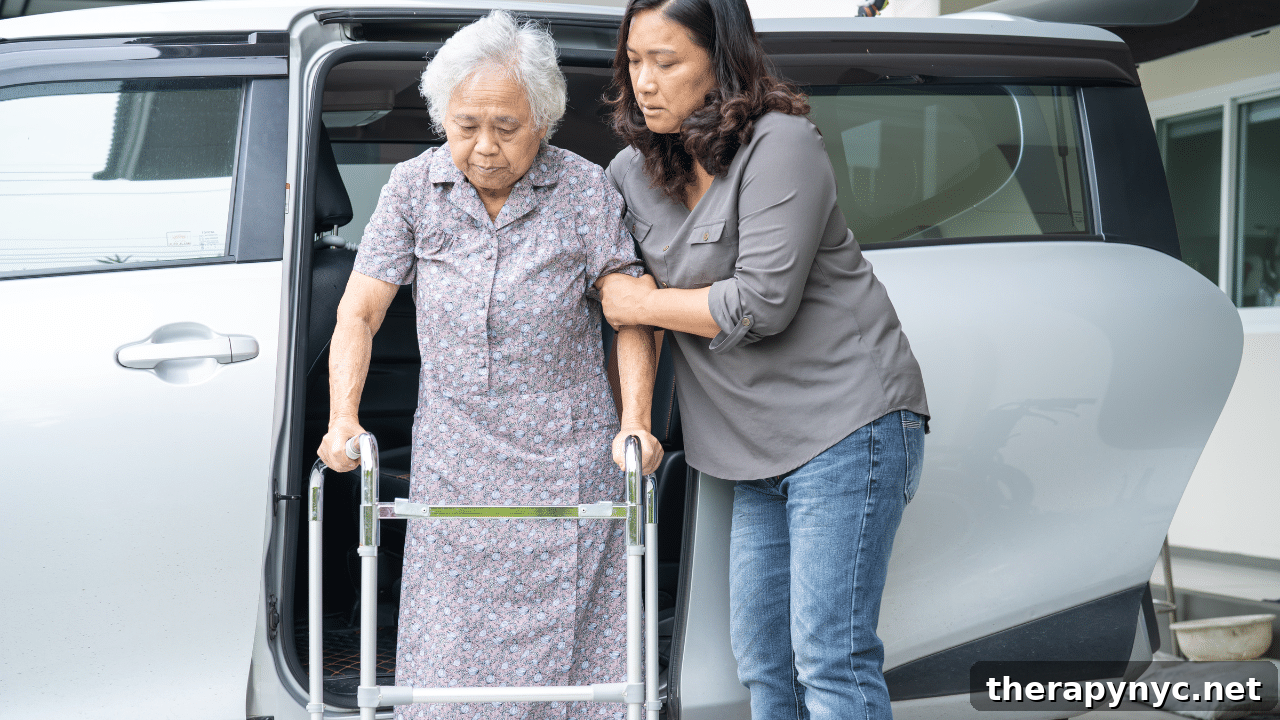
Assemble an accessible emergency kit with medications, a multi-day supply of non-perishable food, bottled water, flashlights, spare batteries, and copies of important documents. Consider a “go bag” that is easy to grab during an evacuation and ensure mobility aids—canes, walkers, portable oxygen—are ready to transport.
3. Stay Informed
Sign up for local alerts and emergency notifications from your city or county. Monitor weather services and news updates, and keep a battery-powered radio as a backup in case phone or internet service is disrupted. Make sure older adults know how they will receive alerts and who to contact for help.
4. Get Involved
Build a dependable support network by connecting with neighbors, community groups, religious organizations, and local emergency responders. Identify neighbors who may need regular wellness checks and those who can provide transportation or short-term shelter in an emergency. Knowing who can help—and who may need help—reduces response time and improves outcomes.
8 Credible Resources for Emergency Preparedness Designed for Older Adults
Below are trusted resources that offer guidance, checklists, and practical tools for older adults and caregivers preparing for emergencies:
- FEMA’s Disaster Preparedness Guide for Older Adults
A step-by-step guide to assessing needs, creating a plan, and building a support network tailored for older adults and their caregivers. - Ready.gov Older Adults Section
Targeted advice and checklists for older adults covering a range of emergency scenarios and practical preparedness actions. - American Red Cross: Disaster Preparedness for Seniors
A guide developed with input from older adults that offers simple, actionable steps for preparedness and recovery. - National Institute on Aging: Disaster Preparedness and Recovery
Practical guidance for older adults planning to shelter in place or evacuate, plus recovery resources. - Administration for Community Living: Emergency Preparedness
Resources focused on older adults and people with disabilities, including planning tips and community supports. - HHS Disaster Technical Assistance Center (DTAC) — Older Adults
A collection of materials that addresses mental health, recovery, and specialized support for older adults after disasters. - American Red Cross: Emergency Preparedness for Older Adults
Tailored recommendations to help older adults prepare for and respond to emergencies safely. - AgeOptions: Emergency Preparedness
Checklists, summaries, and resources for older adults, caregivers, and partner agencies focused on real-world preparedness actions.
Practical Tips for Supporting Older Adults During Emergencies
- Build a Support Network: Maintain an up-to-date list of trusted contacts—family, neighbors, caregivers, and medical providers—who can respond quickly. Schedule regular check-ins for those who live alone or have health concerns.
- Plan for Health Needs: Keep an organized list of prescriptions, dosages, allergies, medical conditions, and the contact information for healthcare providers. Make sure mobility aids and assistive devices are easy to transport and that prescriptions are refilled before shortages occur.
- Practice the Plan: Run periodic drills so everyone understands evacuation routes, meeting places, and communication routines. Practice helps reduce anxiety and improves response speed when a real emergency happens.
Final Thoughts
Preparing for disasters can feel overwhelming, but small, consistent actions make a big difference. By creating clear plans, assembling supplies, staying informed, and leaning on neighbors and community resources, you help protect the older adults in your life.
Check on neighbors, offer to help assemble a go bag or review medical needs, and connect vulnerable people with local support services. Together, communities become safer and more resilient.
Sending thoughts of strength and care to you, your families, and the people you serve.